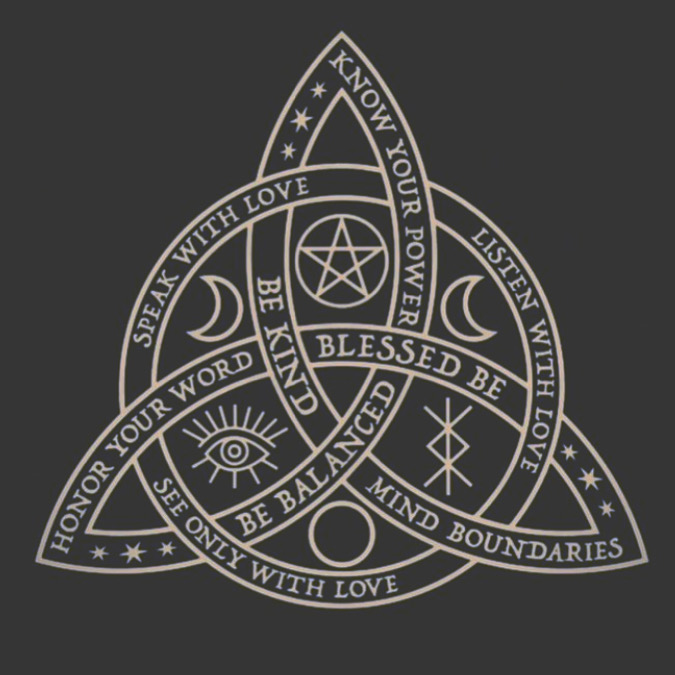
In Wicca, promises, particularly the “Wiccan Rede,” are central to the religion’s moral and ethical framework. The Rede, often phrased as “An it harm none, do what ye will,” emphasizes freedom of action as long as it doesn’t cause harm. Additionally, the “Threefold Law” suggests that any energy, positive or negative, a person puts out will be returned to them three times, highlighting the importance of ethical behavior and intention.
Elaboration:
- The Wiccan Rede: This fundamental ethical guideline, while varied in phrasing, essentially states that individuals are free to act as they wish, provided their actions do not cause harm to others.
- Threefold Law: This belief emphasizes the consequences of actions. The belief is that any energy, whether positive or negative, that an individual emits will be returned to them three times. This reinforces the importance of making responsible and ethical choices.
- Implications: The Rede and the Threefold Law provide a framework for moral decision-making within Wicca, emphasizing the importance of intention, consideration of consequences, and respect for others’ well-being.
- Diversification: Wicca is a diverse religion, with various traditions and interpretations. However, the core principles of the Rede and the Threefold Law are generally recognized within Wiccan practice.
 The Grove Coven