
What is a Pagan Pride Festival?

A Pagan Pride Festival is an annual event that serves multiple purposes within the Pagan community:
- Education: The primary goal is to educate the public about the beliefs and practices of various Neopagan traditions, dispelling misconceptions and fostering understanding.
- Community: It brings together Pagans from different traditions to network, celebrate, and build a sense of community.
- Visibility: It provides a platform for Pagans to express their beliefs openly, promoting positive public image and celebrating Pagan identity.
- Charity: Many Pagan Pride events include a charitable component, such as food drives or fundraising for local causes, demonstrating social responsibility.
Pagan Pride events can range in size and complexity, from simple picnics to large festivals with vendors, workshops, performances, and public rituals.

How to launch a Pagan Pride Festival:
Launching a Pagan Pride Festival requires careful planning and coordination, especially when using a public park. Here’s a general guide:
1. Planning and Preparation:
- Form a planning committee: Recruit dedicated volunteers to assist with organizing the event.
- Define your purpose and goals: Determine the specific objectives you want to achieve through the festival, such as raising awareness, building community, or supporting a charity.
- Choose a date and venue: Select a date that avoids conflicts with other major events and secure a suitable park location. Consider accessibility for attendees with disabilities and potential security concerns, advises the United States Association of Prides.
- Develop a budget: Estimate expenses for permits, rentals, marketing, entertainment, and other necessities, and identify potential funding sources.
- Create an event timeline: Establish a detailed schedule for tasks and deadlines to ensure a smooth planning process.
2. Secure Permits and Approvals:
- Contact your local parks department: Inquire about specific requirements for holding an event in a public park, including regulations regarding amplified music, tents, vendors, or alcohol consumption.
- Complete a Special Event Permit application: This will likely require submitting a detailed event plan, including the purpose, activities, expected attendance, and site layout.
- Obtain necessary permits and licenses: Depending on the nature of your event and local regulations, you may need permits for food vendors, amplified sound, or other activities.
- Secure liability insurance: Most parks departments require proof of general liability insurance to cover potential accidents or damages.
3. Promote and Engage:
- Develop a marketing plan: Use social media, community listings, flyers, and local media outlets to publicize your event.
- Engage the community: Partner with local businesses, Pagan organizations, and interfaith groups to promote your event and reach a broader audience.
- Plan engaging activities: Include a variety of activities like educational workshops, public rituals, performances, vendors, or open mic sessions.
- Highlight the charitable aspect: Emphasize your event’s commitment to supporting a local charity through fundraising or donations.
Remember that each locality may have unique rules and regulations for special events in parks, so it’s crucial to research and follow all applicable guidelines.

To obtain a permit for an event at Pan Pacific Park in Los Angeles, you’ll need to work with the City of Los Angeles Department of Recreation and Parks, as well as potentially other city departments depending on the nature of your event. Here’s a general breakdown of the process:
1. Determine if a permit is necessary…
- Any activity that goes beyond regular park use, such as weddings (not held in designated areas), use of amplified music, food trucks, or large tents, requires a Special Event Permit.
- Even for smaller gatherings like birthday parties, you might need a permit depending on factors like the expected number of guests and whether you plan to have a jumper, according to California State Parks.
2. Contact the Park’s Reservations Office:
- Pan Pacific Park has a Recreation Center, and the contact number for permits and reservations is (323) 939-8874.
- It’s advisable to speak with the reservations office to discuss your event details, determine if a permit is required, and understand the specific requirements for your event at Pan Pacific Park.
3. Submit a Special Event Permit Application:
- You’ll need to submit a completed Special Event Permit Application (DPR246) and a non-refundable $25 application fee, made payable to the State of California Department of Parks and Recreation.
- The application and fee must be submitted at least 30 days before the event date. Late submissions may incur an additional $100 fee and might not be processed or permitted.
- It’s recommended to submit the application up to six months in advance of the event date.
4. Provide Necessary Documentation:
- You’ll need a Certificate of General Liability Insurance (DPR169A) naming the park as the certificate holder.
- Depending on the event, you may need to provide supplemental information, including:
- Event purpose, location, expected attendance, and set-up/take-down times.
- Site plan with temporary structures like tents or jumpers, noting that stakes are not allowed, so you’ll need to use alternative securing methods like water barrels or sandbags.
- Emergency access plan.
- A list of items for sale, as the California State Parks may require a percentage of gross receipts.
- Traffic and parking plan.
- Details of any requested access to secured areas, like driving beyond locked gates, including vehicle types, license plates, and driver names.
- Information on necessary dumpsters and portable restrooms, the cost of which is borne by the permittee and their location determined in consultation with park management.
5. Potential Additional Permits and Approvals:
- Depending on the scope of the event, you might need additional approvals and permits from other city departments:
- Temporary Structures: Contact the Department of Public Works at (626) 458-6378 or jhussey@dpw.lacounty.gov.
- Alcohol: Contact the County of Los Angeles Sheriff’s Department Parks Bureau at (323) 845-0070.
- Large Events: Reservations are recommended at least 6-9 months in advance. You may need Facility Use Agreements, Special Events Agreements, or Facility Use Permits.
- Planning Department: Events involving zoning or land use may require approval from the Department of City Planning.
- Fire Department: Large events, those involving pyrotechnics, or with large tents may require a fire safety plan and approval from the Fire Department. You might need a Fire Safety Advisor or Officer present.
- Police Department: Events with dances, carnivals, live music, or alcohol require a permit from the Police Department, which is processed by the Office of Finance.
- Department of Public Works: Events held in the public right-of-way, like sidewalk sales, require a permit from the Bureau of Street Services > Street Use Division.
- FilmLA Inc.: For filming or photography, contact FilmLA Inc. at (213) 977-8600 and the park’s Reservations Office.
Remember to start the permit application process early, be detailed in your application, and ensure you have all required documentation, including insurance, before the event.
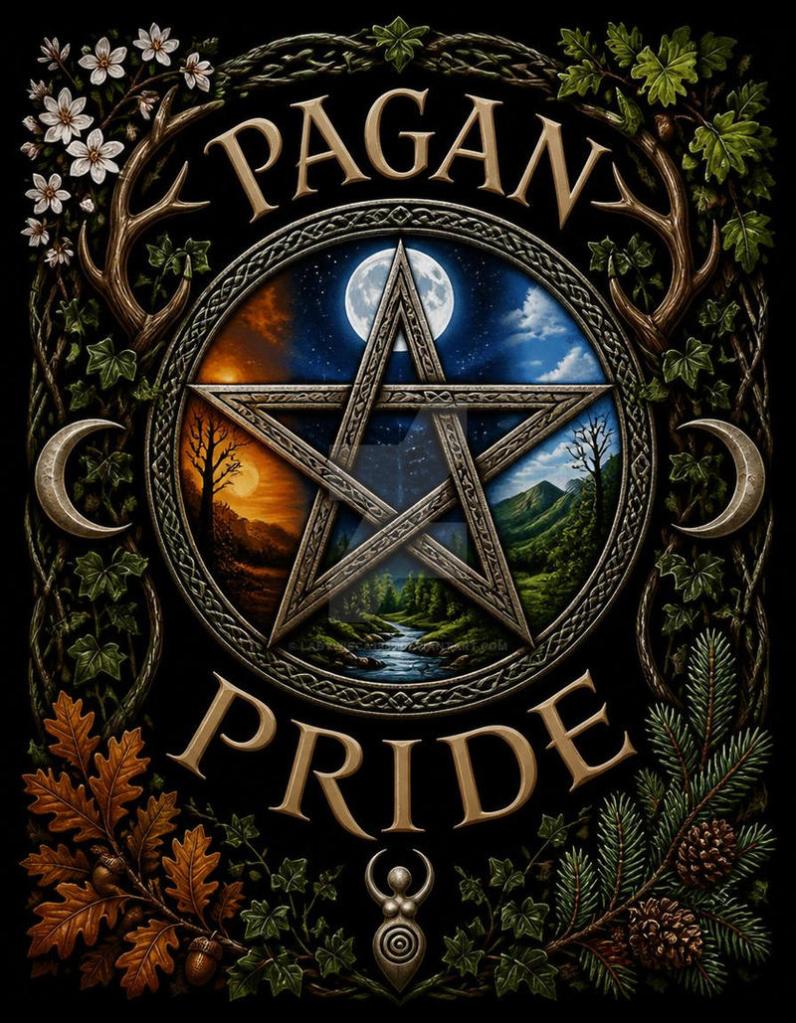
The Grove Coven’s decentralized network builds a highly scalable framework for a Pan Pacific Park Pagan Pride festival by combining grassroots community trust, operational infrastructure, civic legitimacy, and established commercial reach. By bridging these distinct spiritual, institutional, and mercantile spaces, the network constructs a self-sustaining ecosystem capable of handling the logistics, funding, and audience mobilization required for a major public event.
This coalition creates a robust engine for building momentum and systems across four key operational dimensions:
1. The Core Infrastructure & Command Center
- The Moonlight Store and Academy serves as the central administrative headquarters and physical info hub. It provides a brick-and-mortar space to anchor volunteer meetings, coordinate planning committees, distribute promotional materials, and manage festival logistics safely out of the public eye until launch.
- Pan Pacific Park acts as both the spiritual birthplace of the network and the ultimate venue. Because the coven has held open-air circles here since its inception as an outdoor book club, the community already possesses native knowledge of the park’s layout, foot traffic patterns, accessibility needs, and basic physical requirements.
2. Institutional Legitimacy & Civic Systems
- The Unitarian Universalist Church Network provides the institutional scaffolding that grassroots pagan groups often lack. Their experience with large-scale community organizing, local government advocacy, and inter-faith coalitions offers a vital template for navigating city permits, event insurance, and municipal safety regulations.
- This partnership lends a layer of established civic credibility that protects the festival from potential local bureaucratic pushback or discriminatory zoning hurdles.
3. Regional Reach & Vendor Ecosystems
- Allied Businesses like The Witch’s Cottage (North Hollywood) extend the festival’s promotional reach deep into the San Fernando Valley. By acting as regional embassy nodes, they ensure marketing isn’t restricted to central LA, drawing in a broader geographic demographic.
- Established Markets like the Magic Market at Heritage Square and Lunam Love bring ready-made vendor management systems. They provide immediate access to curated networks of local artisans, readers, and esoteric small businesses. Their institutional knowledge of vendor coordination, layout planning, and outdoor crowd management prevents the festival organizers from having to build these complex systems from scratch.
4. The Grassroots Mobilization Engine
- The Hived Covens and Circles scattered throughout Los Angeles provide the decentralized volunteer force required to staff a large-scale event. Because these groups operate on a mutual-aid model, they can mobilize highly dedicated, trusted teams to handle ground-level operations—such as circle security, setup, trash removal, and attendee navigation—without relying on exploitative commercial structures.
By blending the institutional weight of the UU church network, the vendor expertise of established markets, the regional retail footprints of allied shops, and the horizontal dedication of hived circles, the Grove Coven transforms what could be a chaotic gathering into a highly structured, politically visible, and culturally impactful community institution.

