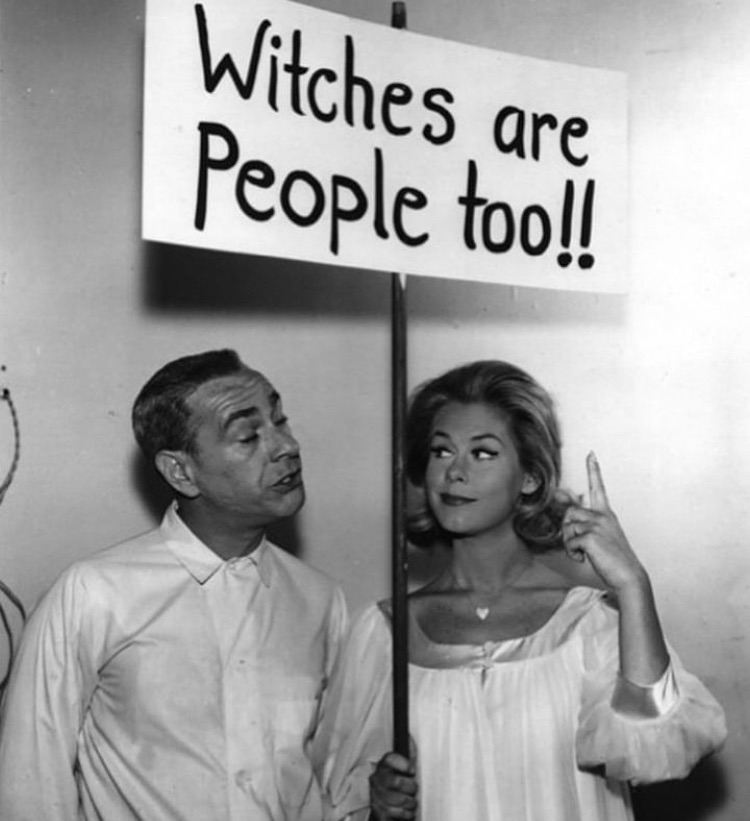
Witch discrimination stems from a historical association with demonic power and societal fears, often fueled by misogyny and religious beliefs. In the past, witches were seen as individuals who made pacts with the devil, wielding supernatural abilities for evil purposes. This perception led to accusations, trials, and persecution, particularly targeting women.
Historical Context and Reasons for Discrimination:
- Religious Beliefs: Many Christians viewed witches as part of a demonic conspiracy, claiming they were granted power by the Devil to harm humanity.
- Fear and Scapegoating: During times of hardship, uncertainty, and social unrest, witchcraft accusations provided a convenient scapegoat for societal problems.
- Misogyny: Witch hunts were heavily influenced by misogyny, with women being seen as inferior, more susceptible to demonic influence, and often blamed for societal ills.
- Economic Hardship: Natural disasters, crop failures, and economic hardship could be attributed to witchcraft, creating a climate of fear and suspicion.
- Social Control: Accusations of witchcraft were used to reinforce traditional gender roles and exert male control over women.
- Religious Persecution: In some instances, religious authorities used witchcraft accusations to persecute those who held different religious beliefs.
- Wicca and other modern pagan faiths: While many Christians have embraced a more tolerant view of modern pagans, there can still be discrimination against these groups, particularly within certain religious or political circles.
Modern Discriminations:
- Religious Discrimination: Some religious groups may still view witchcraft as an evil practice, leading to discrimination against those who follow such beliefs.
- Social Stigma: While witchcraft is no longer a criminal offense in most societies, the negative stereotypes associated with witches can still lead to social stigma and discrimination.
- Commercialization and Exploitation: The growing commercialization of witchcraft and related practices can lead to the devaluation of the traditional spiritual aspects and the exploitation of those who seek to practice them.
 The Grove Coven