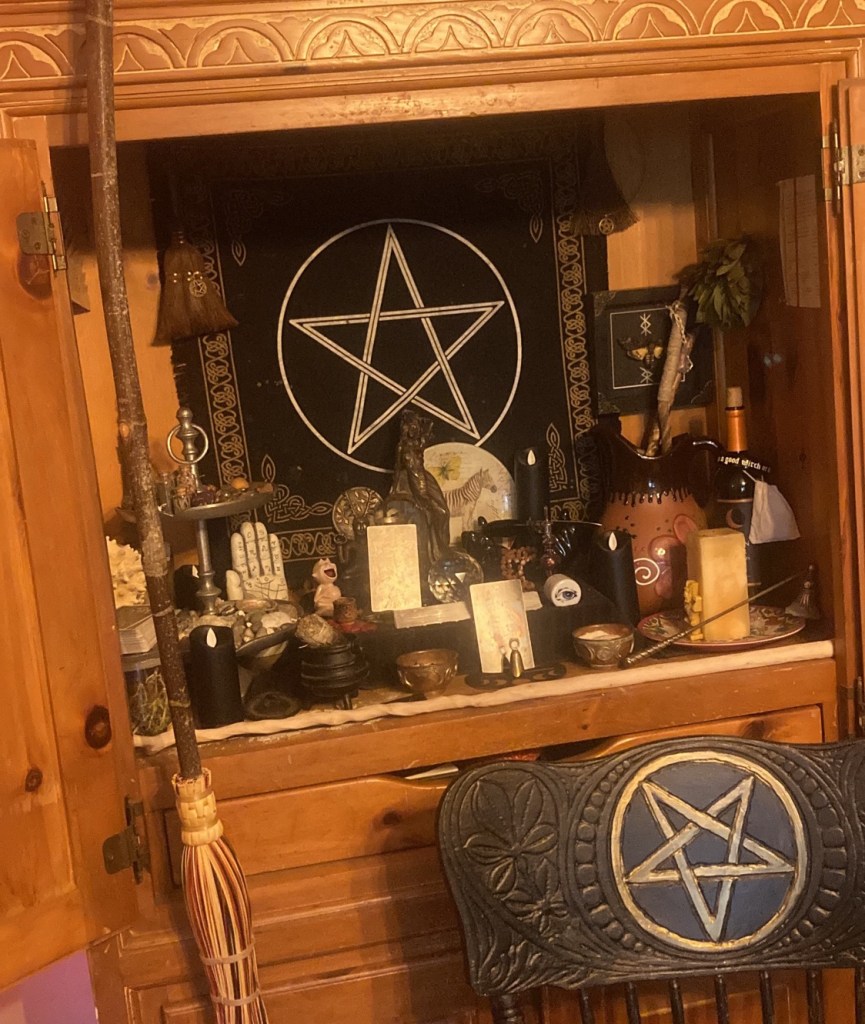
An altar is a significant symbol in many religions and spiritual practices, serving as a focal point for worship, offering, and connection with the divine.
It represents a sacred space where individuals can express their devotion, seek forgiveness, or offer gratitude, and it can be a physical or spiritual location.
Here’s a more detailed look at the importance of an altar:
1. Symbol of Worship and Devotion:
- Focal Point: In religious contexts, altars are often the central feature of a church, temple, or home, serving as a physical representation of the divine presence and a place for worship.
- Expressing Faith: They provide a space for individuals to express their devotion, whether through prayer, meditation, or offering sacrifices, depending on the specific tradition.
2. Place of Offering and Sacrifice:
- Sacred Acts: In many religious traditions, altars are where offerings, including food, incense, or animals, are made to deities or ancestors.
- Atonement and Reconciliation: Sacrifices on altars are often seen as a way to atone for sins, seek forgiveness, or establish a covenant relationship with the divine.
3. Connection to the Divine:
- Spiritual Connection: Altars can serve as a bridge between the physical and spiritual realms, allowing individuals to connect with the divine through prayer, meditation, or rituals.
- Divine Intervention: In some traditions, altars are believed to be places where divine intervention and miracles can occur.
4. Personal and Spiritual Significance:
- Home Altars: Many individuals create personal altars at home to enhance their spiritual practice, provide a space for prayer and reflection, and create a more sacred environment.
- Personal Growth: Altars can serve as a reminder of spiritual goals, a place for self-reflection, and a tool for personal transformation.
5. Historical and Cultural Significance:
- Ancient Roots: The practice of building and using altars dates back to ancient civilizations, reflecting the human desire to connect with the divine and express gratitude for blessings.
- Diverse Traditions: Altars are found in various religious and spiritual traditions, including Christianity, Hinduism, Buddhism, and others, each with its own specific symbolism and practices.
 The Grove Coven