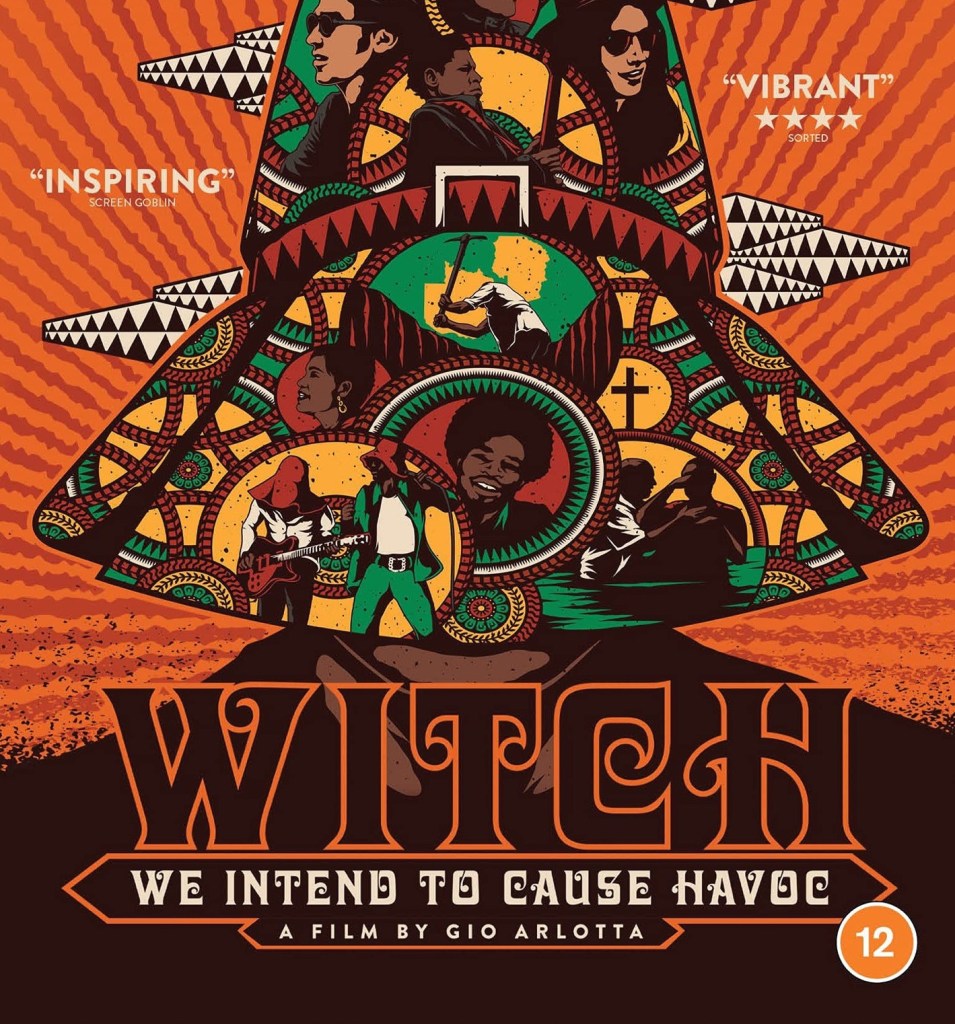
W.I.T.C.H. (We Intend To Cause Havoc), a Zambian band formed in the 1970s, is widely recognized as a pioneer of the Zamrock movement. They are significant for their blending of western rock music with traditional Zambian rhythms, creating a unique sound that influenced Zambian music and beyond.
Key Points about W.I.T.C.H.:
- Founding of Zamrock: W.I.T.C.H. helped establish Zamrock, a genre that fused Zambian rhythms with Western rock influences like psychedelia, funk, and garage rock.
- Cultural Significance: Their music reflected a post-independence Zambia, blending Western rock with local sounds, and became a symbol of the country’s cultural identity.
- Popularity and Influence: W.I.T.C.H. was the most popular Zambian band in the 1970s, packing concert halls and selling records, and their music continues to inspire artists globally.
- Re-emergence: After a hiatus, WITCH has been re-emerging, touring internationally and releasing new music, keeping their legacy alive and reaching a new generation of fans.
- Impact on Global Music: WITCH’s music has gained international recognition, with their music being sampled by American artists and influencing contemporary musicians.
Zambian witchcraft practices, particularly among the Azande people, are significant in occult history because they offer a unique perspective on the intersection of belief, social dynamics, and supernatural power.
While beliefs in witchcraft are common across many cultures, the Azande’s specific beliefs, including their hereditary transmission of witchcraft, the use of oracles, and the social consequences of witchcraft accusations, provide valuable insights into the complexities of African beliefs about supernatural forces.
Here’s why Zambian witchcraft, and specifically Azande witchcraft, is important to occult history:
- Interwoven Social and Spiritual Systems: Azande society views witchcraft as a powerful force that shapes every aspect of life, from health and well-being to social relationships. This interconnectedness demonstrates how beliefs about supernatural powers can be deeply ingrained in social structures.
- Hereditary Powers: The belief that witchcraft is inherited, passing from parent to child, highlights how societies can codify and institutionalize supernatural abilities.
- Oracles and Divination: The use of diviners and oracles to identify those accused of witchcraft and predict future tragedies underscores the role of divination in understanding and managing supernatural forces.
- Social Consequences: The social repercussions of witchcraft accusations, including ostracism and even violence, reveal how beliefs about supernatural powers can shape power dynamics and social order.
- Syncretism and Adaptation: The ways in which Zambian beliefs adapt and interact with introduced religions, like Christianity, demonstrate the dynamic nature of beliefs and the resilience of traditional practices.
- Colonial and Post-Colonial Contexts: The influence of colonial laws and practices on witchcraft beliefs, as well as the ongoing debates about witchcraft and legal frameworks in Zambia, highlight the political and social dimensions of beliefs about supernatural powers.
- Comparison with Other Cultures: Studying Azande witchcraft allows for a comparative analysis with other cultures that have beliefs in witchcraft, shedding light on the similarities and differences in how these beliefs are expressed and understood.
 The Grove Coven