
Honoring and remembering the passing of a loved one who died due to HIV/AIDS and addiction is incredibly important for groups of friends for several reasons, including navigating grief, combating stigma, and celebrating the life of the person who passed away.
Here’s a breakdown of why this act of honoring holds such significance:
- Processing grief and finding closure: A funeral or memorial service allows friends and family to say goodbye, mourn the loss, and begin to heal.
- Combating stigma:
- HIV/AIDS and addiction are highly stigmatized conditions, according to the National Institutes of Health (NIH).
- Stigma and fear of judgment can sometimes prevent families from discussing their loss openly, says Shatterproof.
- By openly honoring and remembering a loved one lost to these illnesses, friends can fight against this unjust stigma and raise awareness.
- Celebrating the life and legacy:
- Honoring the deceased allows friends and family to remember their life, their impact, and the positive contributions they made.
- Sharing happy memories, framing old photos, and celebrating their life helps remember the person as unique and loved, not defined by their illness.
- Finding support and connections:
- Sharing the grief with other friends can provide a sense of togetherness and help individuals navigate the complex emotions associated with loss, especially when dealing with the challenges of HIV/AIDS and addiction-related deaths, according to the National Center for PTSD.
- Friends can support each other by listening, offering practical assistance, and being present during the grieving process.
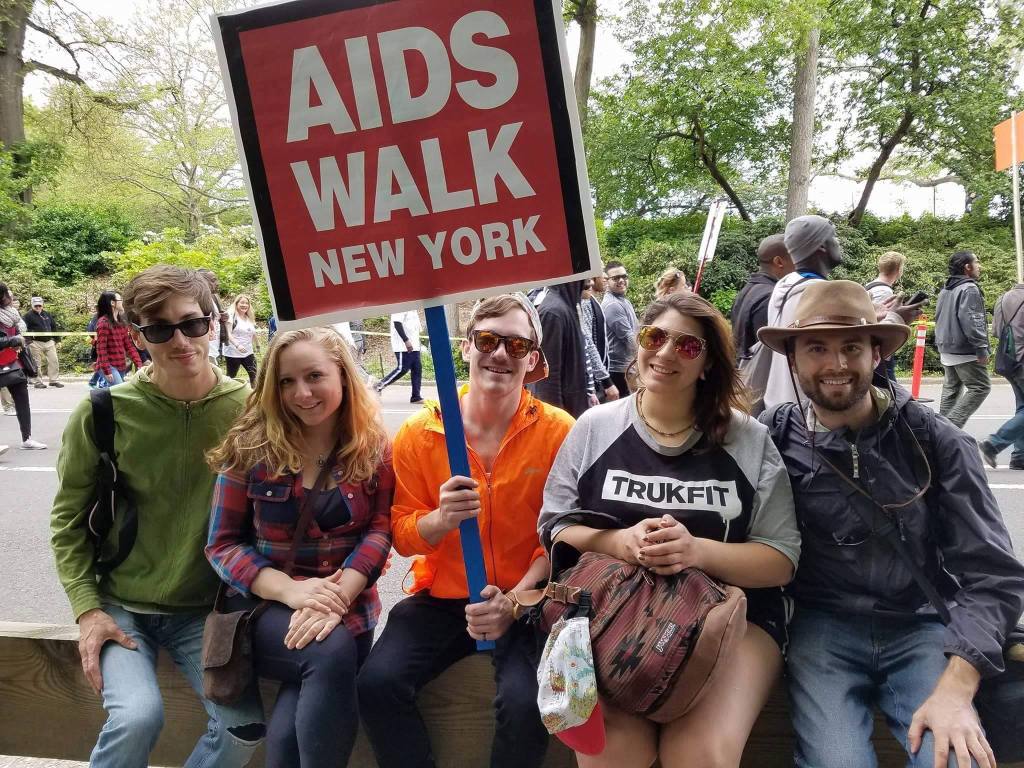
In conclusion, honoring and remembering a loved one lost to HIV/AIDS and addiction is essential for coping with grief, combating stigma, and celebrating the life and legacy of the deceased. By creating a space for remembrance and open dialogue, friends can help ensure that their loved one’s life is not forgotten.

 The Grove Coven