
The School of Visual Arts (SVA) and The New School are both prominent institutions in New York City, particularly renowned for their art and design programs. While they both offer exceptional creative education, they differ in their overall structures, focus, and academic approaches.
School of Visual Arts (SVA)
- Focus: SVA is a dedicated art and design college, emphasizing visual arts disciplines and professional preparedness.
- Programs: It offers a wide array of undergraduate and graduate programs across various artistic fields, including film, animation, illustration, photography, fine arts, graphic design, and more.
- Approach: SVA prioritizes hands-on learning, technical skill development, and industry standards, aiming to prepare students for professional careers in the arts. School of Visual Arts | SVA and their faculty often consists of working professionals, providing students with real-world insights and networking opportunities.
- Notable for: Strong connections to the professional art and design world in NYC, particularly in fields like graphic design, film, and animation.
The New School
- Focus: The New School is a broader university encompassing various colleges and disciplines, including a renowned design school (Parsons School of Design), a liberal arts college (Eugene Lang College of Liberal Arts), a performing arts college, and graduate programs in social research and public engagement.
- Programs: The New School offers a wider range of programs beyond the visual arts, spanning social sciences, humanities, performing arts, and more.
- Approach: The New School emphasizes interdisciplinary learning, social engagement, and design thinking to address complex global problems. Students can combine studies across different colleges within the university.
- Notable for: Its progressive legacy, focus on social justice and design thinking, and its strong reputation in fashion design at Parsons School of Design.
Key differences
- Scope: SVA is exclusively an art and design institution, while The New School is a university with a broader range of academic offerings.
- Interdisciplinary vs. Specialized: The New School champions interdisciplinary learning and the integration of design thinking across disciplines, says The New School. SVA, while providing a well-rounded education, focuses more specifically on visual arts disciplines and technical skills within those fields.
- Philosophy: The New School’s roots lie in progressive education, with a strong emphasis on social justice and engagement, according to The New School. SVA emphasizes career readiness and professional development within the art and design industries.
Ultimately, the choice between SVA and The New School depends on individual interests and educational goals. If a student is primarily interested in specializing in a visual arts discipline with a strong focus on professional practice, SVA might be the better fit. If a student desires a broader, interdisciplinary education that combines art and design with social sciences or other fields, The New School could be a more appropriate choice. It’s often recommended to visit both schools, speak to current students, and explore their specific programs and curricula to make an informed decision.
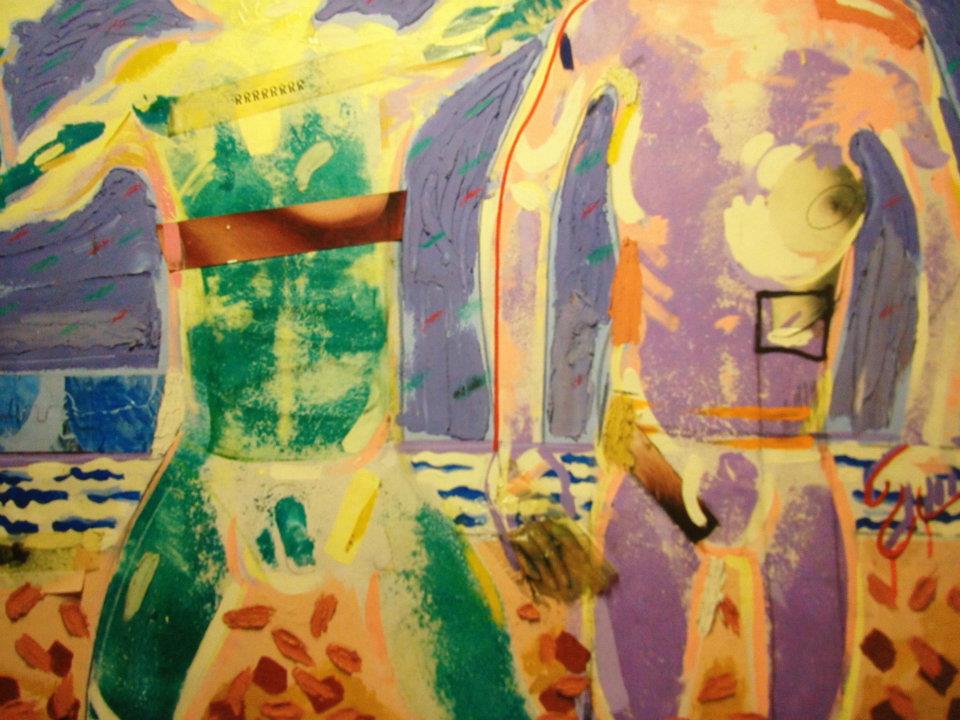
Charles Luis De Cesare’s artistic contributions include:
- Diverse talents: His creativity spanned contemporary art and high fashion.
- Collaborative work: He collaborated with his wife, Catherine Pierson De Cesare, on mural projects. They were resident artists for the Veterans Administration in the 1970s.
- Notable projects: One collaboration included painting a city bus for veterans. He also created a series of “Guardian Angels” after 9/11, gifting them to first responders. One is still displayed at the National September 11 Memorial & Museum.
- Exhibitions: His work, including framed giclée prints from his sketchbook, was showcased at a memorial art show at the Kurt Seligmann Center in Sugarloaf.

- Artistic Style: According to Instagram and the New York Post, one of his art series, “Manhattan Series”, recreated the tension, movement, and color of New York City in the 1970s. He used his experiences of the city’s energy for these paintings.
- Photography: He was known for photographs documenting marginalized communities, including gang members. These photographs helped create a family album for those whose lives were frequently interrupted.

Charles De Cesare is photographed (above and centered) with brothers Dave Steele and Scott De Cesare.
Many believe that creating art can be a form of witchcraft and magic because both activities involve elements of intention, manifestation, and transformation.
Key connections between art and magic
- Intention and Manifestation: In both witchcraft and art, setting clear intentions is crucial. When creating art with a specific goal in mind, one can infuse their intentions into the artwork, potentially attracting or manifesting those desires into reality. This is similar to how a witch casts a spell, bringing into reality something that exists only in their mind and soul.
- Transformation and Alchemy: The creative process itself is often seen as a transformative journey, akin to the alchemist’s quest to transmute base materials into gold. Artists take raw materials, like paints, clay, or words, and transform them into something new and meaningful, giving life to shapes and textures that transcend simple material reality. This parallels the alchemical process of transmuting external matter and transforming the soul.
- Symbolism and Archetypes: Art frequently utilizes symbolism, according to Llewellyn. Similarly, witchcraft relies on symbols and archetypes to tap into subconscious beliefs and universal energies. By incorporating specific colors, symbols, or even personal sigils into their artwork, artists can strengthen their intentions and infuse their creations with a magical essence.
- Energy and Emotion: Creating art is an act of channeling energy and emotion into a tangible form. As artists express themselves, they can infuse their artworks with personal power and vitality, . This act of channeling energy is essential in spell work, where focused intent and emotion are used to influence reality.
- Ritual and Practice: Both artistic creation and magical practice often involve rituals or established routines. These rituals can help create a focused mindset, enhance concentration, and foster a deeper connection to the creative or magical process.
In essence, the act of creating art, when approached with intention and conscious awareness, can become a powerful form of magic, allowing artists to manifest their desires, transform reality, and connect with deeper, unseen forces within themselves and the world around them.

Charles L. De Cesare was a versatile artist who made contributions across various mediums. His work reflected his experiences and passions, including his collaborations with his wife, his response to the 9/11 attacks, and his documentation of marginalized communities.

Charles L. De Cesare, a talented artist, designer, and visionary, passed away at his home in Warwick, NY, on January 22, 2019, at the age of 64.
Early Life and Career:
Charles was born in Dumont, NJ, on March 6, 1954, to Charles L. De Cesare, Sr. and Gladys Elizabeth Patterson. He received his BFA from the School of Visual Arts. He maintained his contemporary multi-media art practices while also working in high fashion and other creative fields.
Family:
Charles is survived by his wife, Catherine Pierson De Cesare. He was an inspirational and charismatic figure who touched the lives of many and will be greatly missed.
Memorial:
A memorial service for Charles was planned for the spring of 2019.
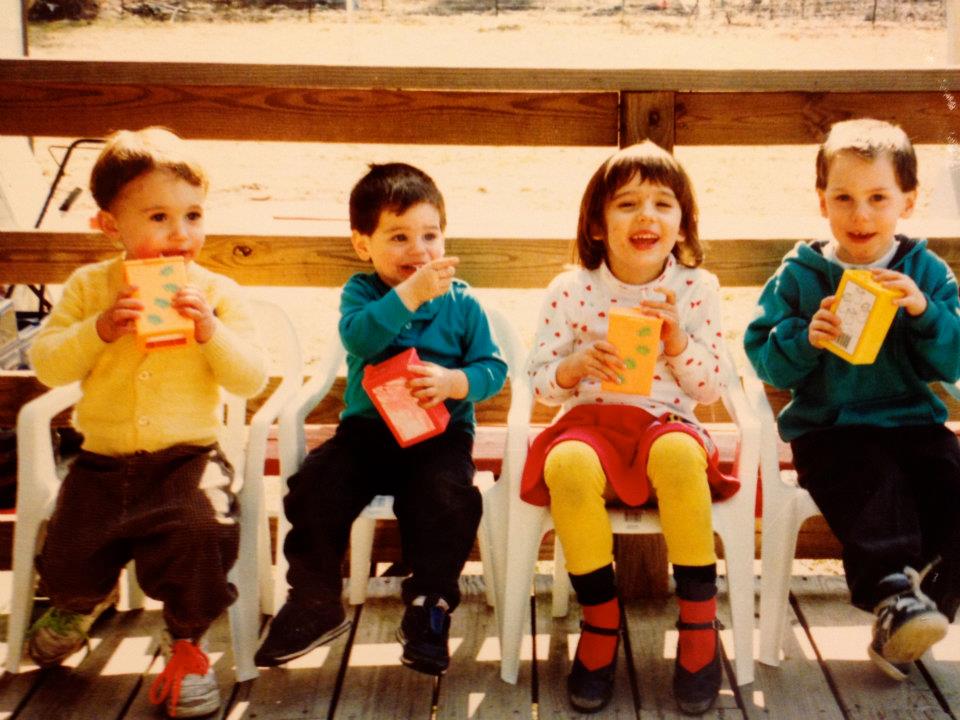
Elliott De Cesare, following in his father’s footsteps, is also a New York-based artist and designer with a strong background in film, fashion, and visual arts. He’s known for his art direction and production design work across various creative fields.
Art Director and Production Designer with a background in film, fashion, and visual arts.
Here’s a closer look at his work:
- Film: Elliott has collaborated on true crime documentaries for HBO, including “Deadly Influence: The Social Media Murders”.
- Fashion: He has worked in the visual department at Bergdorf Goodman for over a decade, contributing to their Fifth Avenue window and in-store displays. He’s also led creative direction and design for high-profile fashion clients such as Vogue, Swarovski, Furla, and Burberry.
- Art: Elliott is also a multimedia artist and painter, having exhibited his work at Heaven Gallery in Chicago, according to MutualArt. His artistic work explores themes of identity and human interaction with animals, particularly in the context of anthropomorphism. He holds a BFA from the School of Visual Arts.
Additional information reveals that Elliott De Cesare curated an exhibition at the Kurt Seligmann Center for which an article appeared in Whitehot Magazine. He is active on Instagram where he shares his projects and updates on his art exhibitions. While there are other individuals named Elliott De Cesare, this artist and designer appears to be the most relevant based on the search results.
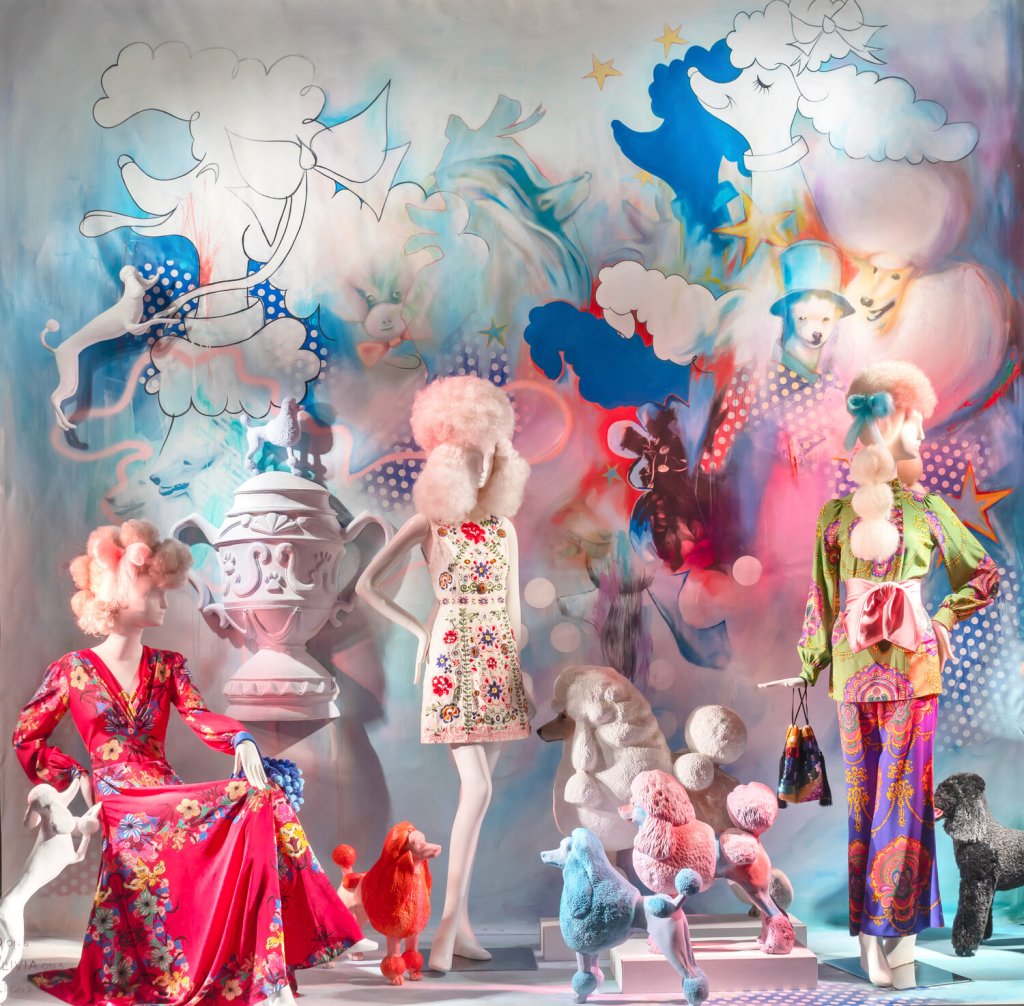
- Multidisciplinary Approach: De Cesare employs a range of mediums including drawing, painting, sculpture, installation, and collage.
- Film & Fashion Design: He has worked as an Art Director and Production Designer, notably collaborating on true crime documentaries for HBO and contributing to Bergdorf Goodman’s visual department for over a decade. In the fashion world, his clients include Vogue, Swarovski, and Burberry.
- Fine Art Exhibitions: De Cesare is also a painter and multimedia artist, whose work has been exhibited at galleries such as Heaven Gallery in Chicago.
- Artistic Style & Inspiration: His artwork often explores themes of identity, human-animal interactions, and the transformation of the literal into the metaphorical, drawing inspiration from anthropological fieldwork and the concept of bricolage. He is known for a style that seeks to find alternate meaning in everyday objects and experiences.
- Collaboration with Bergdorf Goodman: De Cesare’s window installations at Bergdorf Goodman have garnered attention, with one notable series exploring the concept of humans projecting their identities onto their pets, particularly poodles.
- Education: De Cesare studied at The New School and received his BFA from the School of Visual Arts.

Elliott De Cesare is a multifaceted artist with a notable presence in the New York City art and design scene, known for his diverse skill set and conceptual approach to his work.
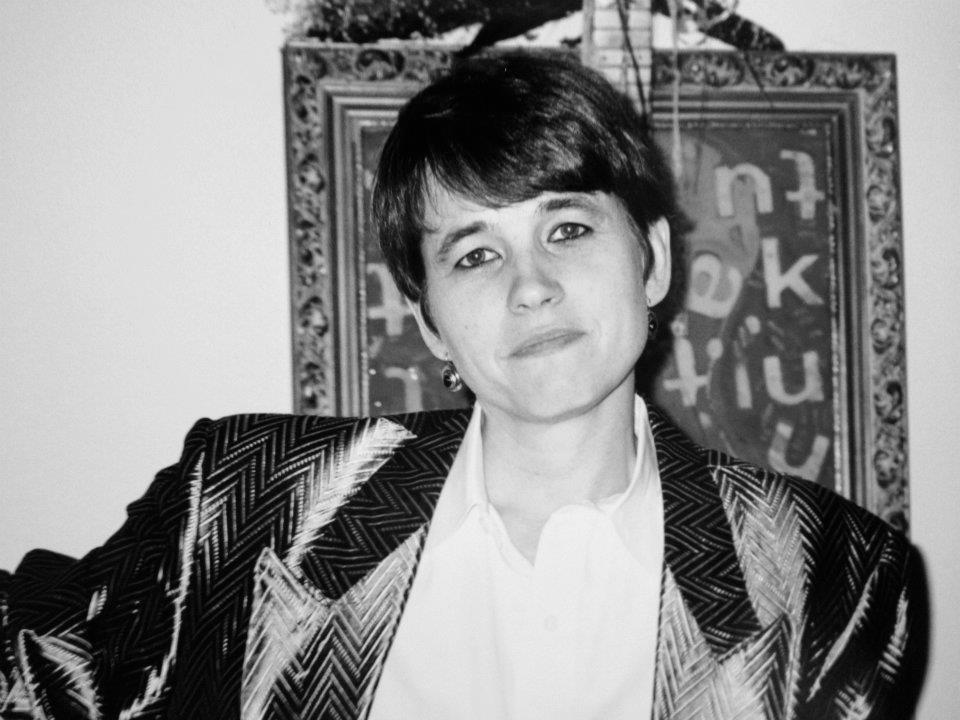
Catherine Pierson DeCesare: AN artist, based in the New York City metropolitan area, has over 30 years of experience in drawing and painting for commercial and residential architecture. She has also created a portfolio of drawings for Historic Alexandria, Virginia, and produces architectural-themed work and street scenes.

In December 2016, Catherine Pierson DeCesare exhibited her children’s book illustrations at the Amity Gallery in Warwick, NY.
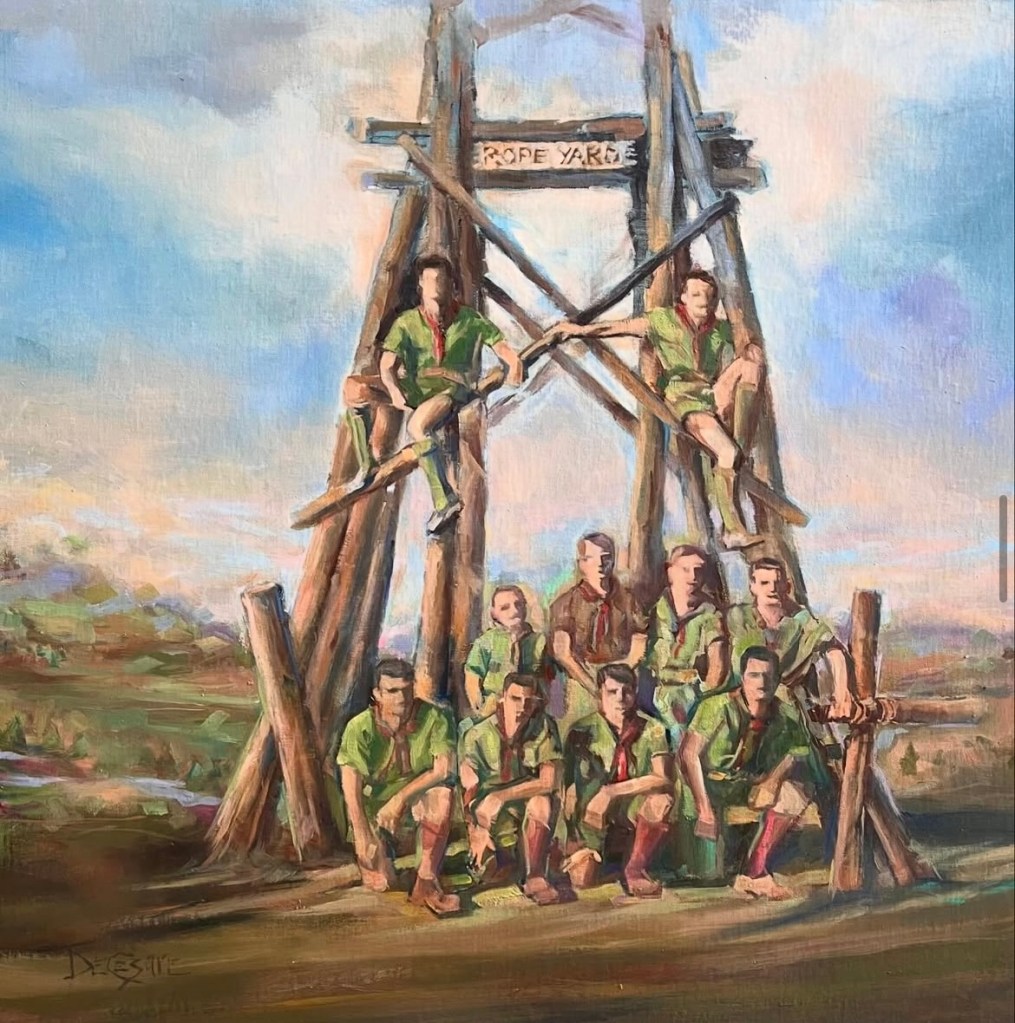
She also accepts commissions for portraits in oil, acrylic, and sumi ink.

She previously worked as a studio artist for J. Walter Thompson, as a freelance artist in NYC.
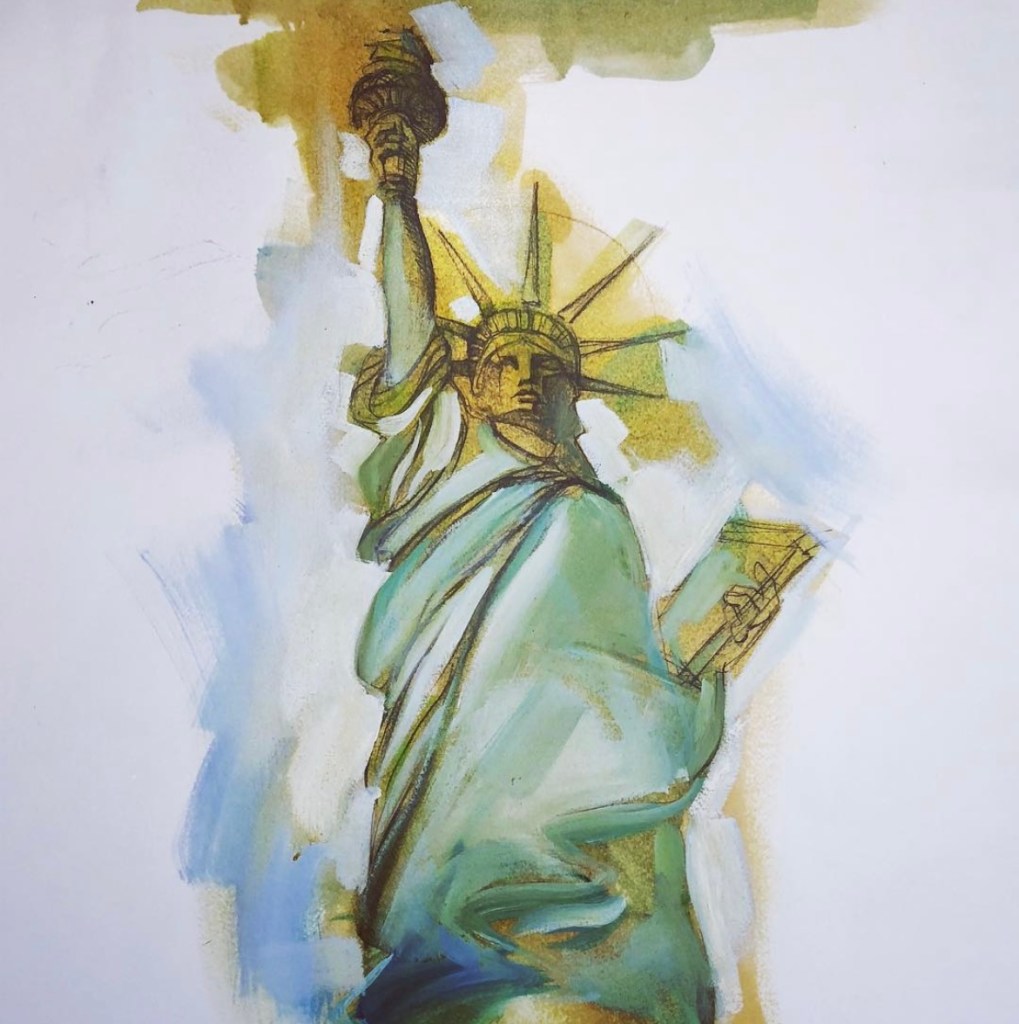
Families that actively promote fine arts and expression often differ from those that don’t in several key ways, impacting their children’s development and family dynamics.
1. Focus on Creativity and Critical Thinking:
- Families prioritizing fine arts foster a mindset that values creativity, out-of-the-box thinking, and finding multiple solutions to problems.
- Parents in these families may encourage exploration, provide opportunities for unstructured play, and engage in conversations that stimulate their children’s thinking.
2. Emotional Expression and Self-Esteem:
- Art serves as a powerful outlet for emotional expression, helping children explore and understand their feelings healthily.
- Children in these families are often encouraged to experiment with different materials and techniques, allowing them to express themselves without fear of judgment. This process of creation and self-expression can significantly boost self-esteem and self-confidence, according to ladybugcc.com.
3. Communication and Language Development:
- Engaging in art activities encourages communication, both verbal and nonverbal.
- Children learn to describe their creations, share their thoughts and feelings, and engage in conversations about their artistic endeavors, expanding their vocabulary and communication skills.
4. Academic Performance and Cognitive Skills:
- While the idea that art is a “luxury” subject is often debated, studies suggest a strong correlation between arts education and improved academic performance.
- Children who participate regularly in the arts are four times more likely to be recognized for academic achievement, according to a report by Americans for the Arts mentioned in an article on The Art Studio NY website.
- Art activities also enhance cognitive skills like critical thinking, problem-solving, and decision-making.
5. Social Skills and Empathy:
- Art often involves collaboration, whether in group projects or discussions about each other’s work.
- Families that encourage artistic expression may also foster a greater appreciation for diversity and different perspectives, as children are exposed to various art forms and cultural traditions.
- This can lead to stronger social skills, teamwork, and empathy.
6. Values and Priorities:
- Families that value creativity and art may also prioritize other values like beauty, nature, and cultural understanding.
- These values can be passed down to children, influencing their approach to learning and their appreciation of the world around them.
In conclusion, families that actively promote fine arts and expression often create a nurturing environment that fosters creativity, emotional expression, strong communication skills, cognitive development, and positive social behaviors in their children. These families may also place a high value on learning, cultural appreciation, and individual expression.
 The Grove Coven