
West Milford, New Jersey, boasts a rich history rooted in both its natural resources and its evolution from a resort town to a residential community.
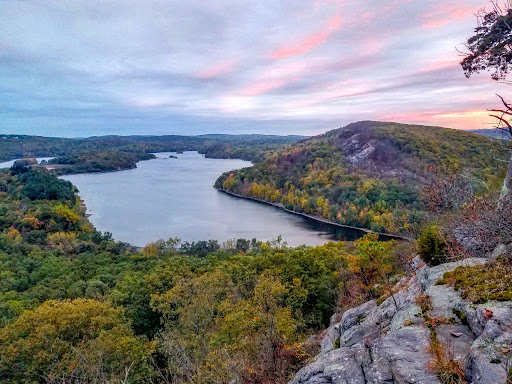
Early history and development:
- Native American Presence: The area was inhabited by Native Americans, likely the Lenape people, prior to European settlement. Old School Pub, which stands on Warwick Turnpike, is located on what was once Native American land.
- Dutch Settlement: In the 18th century, disenchanted Dutch settlers from Milford (later renamed Newark) established a settlement called “New Milford” in what was then western Bergen County.
- Renaming to West Milford: In 1828, to differentiate it from another “New Milford” in eastern Bergen County, the western settlement was designated “West Milford” when both towns applied for post offices.
- Formal Township Establishment: West Milford officially became a municipality on March 10, 1834, formed from the western half of Pompton Township while still part of Bergen County. In 1837, West Milford was incorporated into the newly formed Passaic County. The township was named after Milford, Connecticut.
- Iron Production and the Revolutionary War: Long Pond Ironworks, founded in 1766, played a crucial role during the Revolutionary War, producing iron for the Continental Army under the leadership of Peter Hasenclever and Robert Erskine. Erskine also served as the first Geographer and Surveyor-General for General George Washington, creating numerous maps for the army.
Resort era and Subsequent Changes:
- Popular Resort Destination: In the late 19th and early 20th centuries, West Milford became a popular resort area, attracting visitors from New York City who came to enjoy the natural beauty and healthful climate. It had over 40 hotels and boarding houses at its peak.
- Shift to Year-Round Residency: After World War II and for the next two decades, the area transitioned from a resort community to one with more year-round residences.
- Jungle Habitat Theme Park: From 1972 to 1976, West Milford was home to Warner Bros. Jungle Habitat, a wildlife theme park featuring a drive-through safari and shows. Despite initially boosting tourism, the park was plagued by issues, including animal escapes and concerns about traffic. Residents ultimately voted against its expansion, leading to its closure. Today, the former site is used for community events and recreation, including mountain biking.
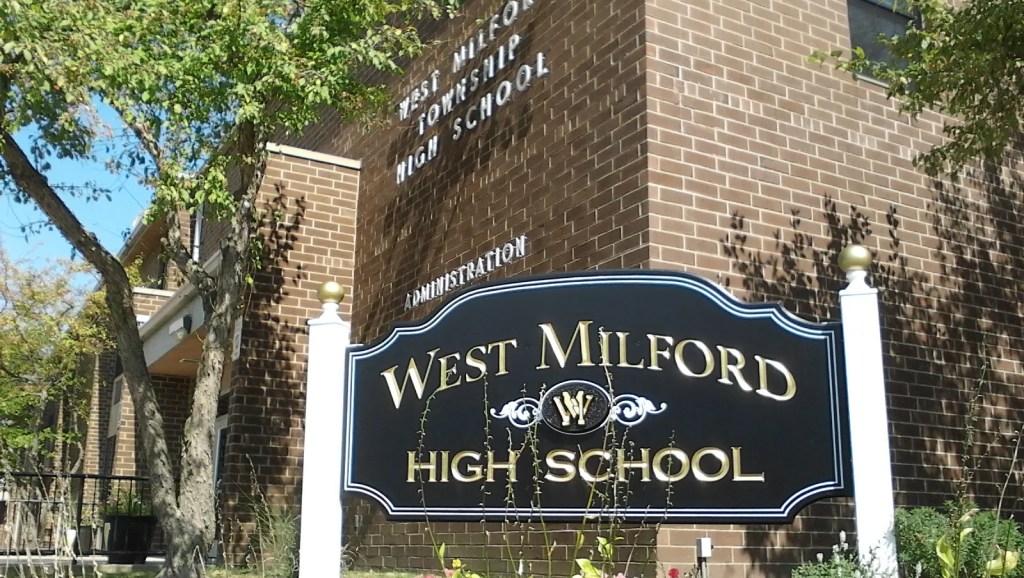
Modern West Milford
West Milford is the largest township in Passaic County by area, known for its scenic beauty, lakes, and outdoor recreation opportunities. It has a population of over 24,000 residents. The township continues to attract visitors and residents with its combination of natural surroundings and community amenities.

- ERASE Racism Clubs: These clubs, championed by organizations like ERASE Racism, provide platforms for students to address issues of systemic racism within their schools and communities. They focus on:
- Studying the history and manifestations of racism.
- Developing plans to promote racial equity and inclusion.
- Learning advocacy skills.
- Engaging in research and presentations.
- ERASE (End Racism and Sexism Everywhere) Clubs: These clubs empower high school students to actively combat racism and sexism in society, according to pctvs.org.
- ERASE (Expect Respect and a Safe Education) Clubs: These initiatives focus on bullying prevention and fostering a safe school environment by providing resources and training on topics like online safety, mental health, bullying, racism, and general school safety, per the New Westminster School District.
Common Themes and Activities:
Despite their specific focuses, ERASE clubs share common goals and often engage in similar activities, including:
- Awareness and Education: Hosting workshops, assemblies, and discussions to educate the school community about the various forms and effects of bullying, racism, and sexism.
- Advocacy and Action: Empowering students to take leadership roles, organize events, create campaigns, and develop initiatives that promote kindness, inclusivity, and equity.
- Creating Safe Spaces: Establishing forums or meetings where students can openly share their thoughts, feelings, and experiences related to these issues.
- Community Involvement: Engaging parents, teachers, and local organizations in their efforts to build a strong support network.
- Promoting Positive Behaviors: Developing programs and activities that encourage empathy, respect, and positive social interactions among students.

Essentially, an ERASE Club Program is a student-led initiative aimed at creating a more positive and inclusive school environment by addressing issues like bullying, racism, and sexism. These clubs empower students to become agents of change and foster a culture of respect, empathy, and understanding within their schools and communities.
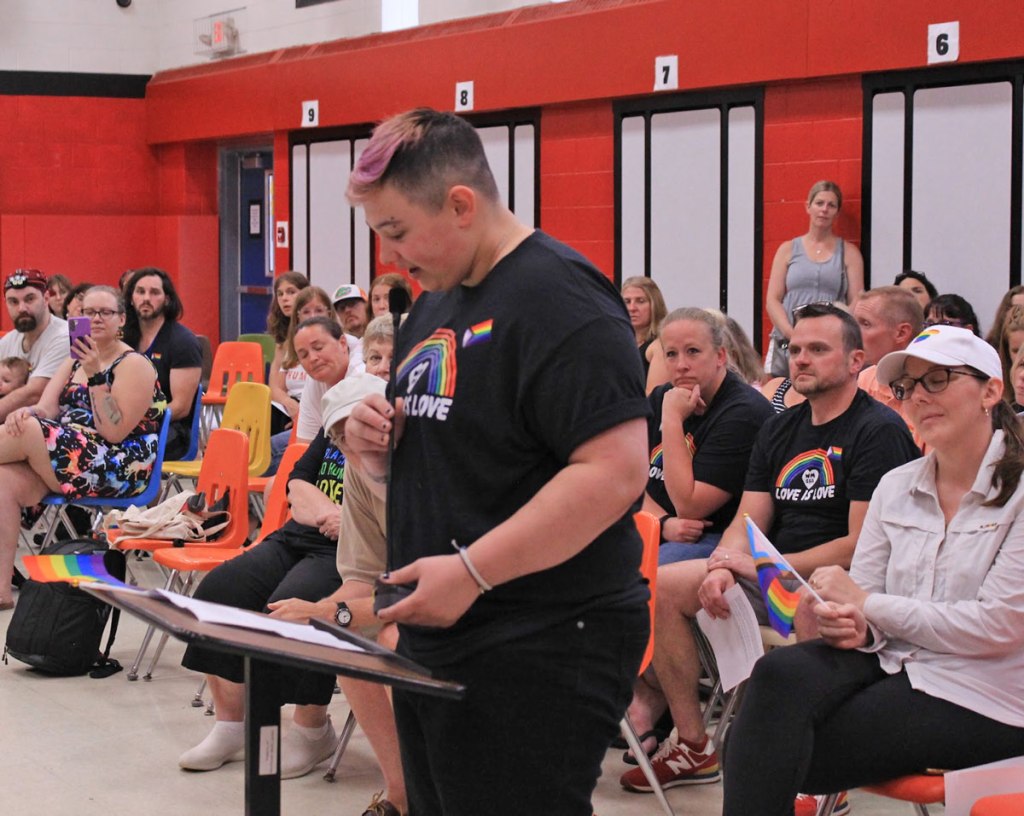
https://www.facebook.com/p/PRIDE-of-West-Milford-100095018350630/
1. 2023 Controversy and Support
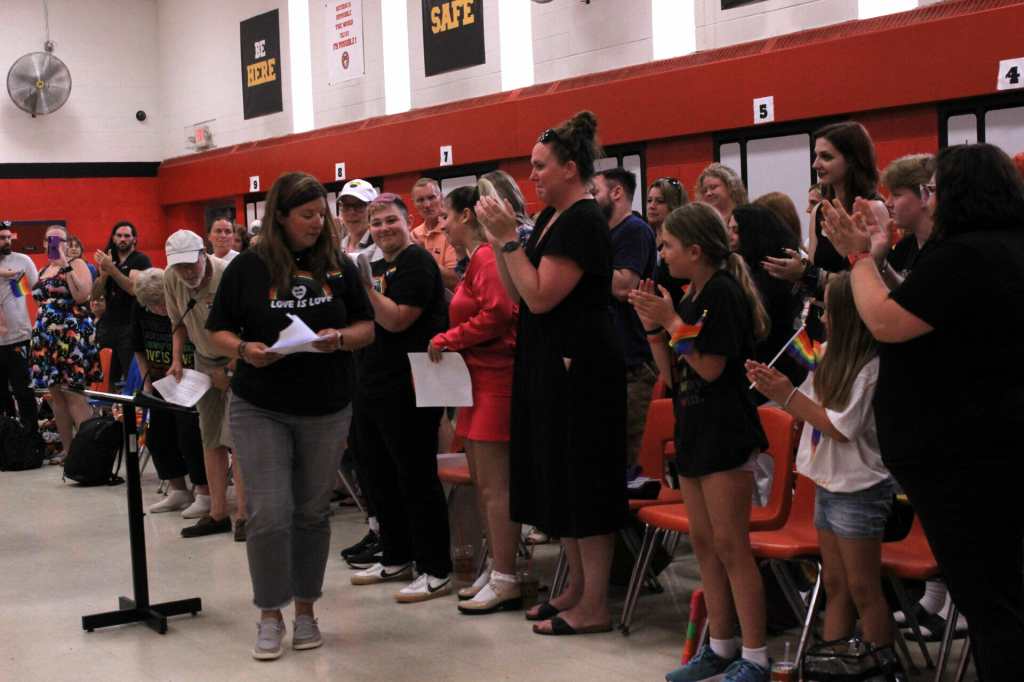
- In July 2023, a school board member, William Cytowicz, made a statement suggesting that the GSA club allowed for the possibility of grooming impressionable youth.
- This comment sparked strong reactions within the community, with many people speaking out in support of the GSA at a Board of Education meeting.
- Students, parents, teachers, and alumni attended the meeting to highlight the positive impact of the GSA, emphasizing its role in providing a safe space and fostering community among all students, including LGBTQ+ individuals.
2. Board Member’s Change of Heart
- During the meeting, the community’s outpouring of support for the GSA seems to have influenced the board member who initially raised concerns.
- William Cytowicz stated that the words shared at the meeting changed his mind about the GSA at West Milford and expressed that he was “won over” by the community’s support.
- The board unanimously voted to keep the GSA, according to GLAAD.
3. The GSA’s Role and Impact
- The GSA at West Milford, advised by Tina Signorelli, aims to provide a safe space for students and educate them about LGBTQ+ issues.
- Research suggests that schools with GSAs tend to have a more inclusive environment, with students less likely to encounter homophobic remarks.
- Furthermore, LGBTQ+ students in schools with GSAs are reportedly less likely to feel unsafe.
- Numerous individuals, including students and alumni, testified about the GSA’s life-saving impact and its role in building community and safety at West Milford High School.
In essence, while the GSA faced a brief period of controversy, strong community support helped address concerns and ultimately led to the Board of Education’s unanimous decision to continue supporting the club.
Recent election results suggest that West Milford, New Jersey, has shown conservative leanings, particularly in state and local elections. Here’s a look at the voting trends based on the available information:
- Growing Republican Support: Republicans have been gaining support in New Jersey, even in traditionally “blue” states. While this hasn’t always changed the outcome of statewide or national elections, it indicates a stronger presence of conservative voting within the state.
- State and Local Elections: This conservative trend is more evident in state and local elections.
- Governor’s Primary Election (June 2025): In the Republican primary for governor, Jack Ciattarelli, who had the support of Donald Trump, won the nomination and swept every county in New Jersey, echoing calls for law and order.
- Past Performance: Ciattarelli, a Republican, came within three points of beating the incumbent Governor Murphy in 2021. This indicates a strong showing for conservative candidates in West Milford and other areas.
In summary, while New Jersey as a whole has historically been more purple, becoming reliably blue in recent decades, West Milford appears to lean conservative, especially in state and local elections. The Republican nominee for governor won the primary election with strong support in West Milford and across the state.
To get elected to the Board of Education in West Milford, New Jersey, you need to follow a few key steps and meet certain requirements:
1. Meet the eligibility requirements
- You must be a citizen of the United States.
- You must be at least 18 years of age.
- You must be able to read and write.
- You must be a registered voter in the West Milford School District.
- You must have resided in the district for at least one year.
- You cannot be directly or indirectly involved in any contract with, or claim against the West Milford Board of Education.
- Within 30 days of election or appointment, you must undergo a criminal history background investigation through the New Jersey Department of Education.
2. Obtain and file a nominating petition
- You’ll need to submit a nominating petition to the County Clerk.
- The petition must be signed by at least 10 qualified voters of the district.
- The deadline for filing these petitions is typically the last Monday in July by 4 p.m.
3. Campaign (optional, but recommended)
- Share your message with the community through various channels like public forums, flyers, or social media.
4. Get elected
- Encourage voters to support you in the election.
Resources:
- The New Jersey School Boards Association website provides a candidate kit with valuable information on important dates, requirements, and frequently asked questions.
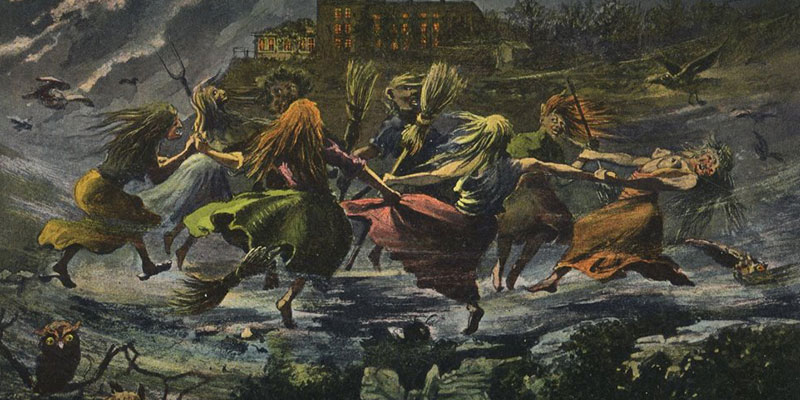
While there are no historically documented witches from West Milford, New Jersey, the town is central to numerous urban legends and folklore about witchcraft and satanic activity on the famously haunted Clinton Road. These tales describe gatherings of witches and satanists, though there is no evidence to support these claims.
The types of “witches” associated with West Milford exist solely in local lore and are typically described as:
- Satanists: Some Clinton Road legends claim the area was used for satanic rituals. A supposed “druid temple” structure was said to be on the road, and the story goes that something horrible will happen to anyone who observes their rituals.
- Hex practitioners: Other folk tales in the wider New Jersey region describe solitary witches and wizards who put hexes on people. When attempts were made to burn one of their personal items, scorch marks would supposedly appear on their bodies, forcing them to cease their hexes.
- Modern Wiccans and Pagans: In reality, modern-day practitioners of Wicca and other forms of Neopaganism live throughout northern New Jersey, including in neighboring towns. These communities are often part of organized groups that seek to distance themselves from the negative stereotypes of witchcraft.
The stories about witchcraft and satanism in West Milford are part of a broader “Weird NJ” folk tradition and have no basis in historical fact. New Jersey’s history of witchcraft accusations was very different from the deadly Salem Witch Trials, with much less persecution. For example, a legal record exists from 1727 of one woman, Abigail Sharp, who was accused of witchcraft but took her accuser to court and sued him for defamation.
 The Grove Coven