
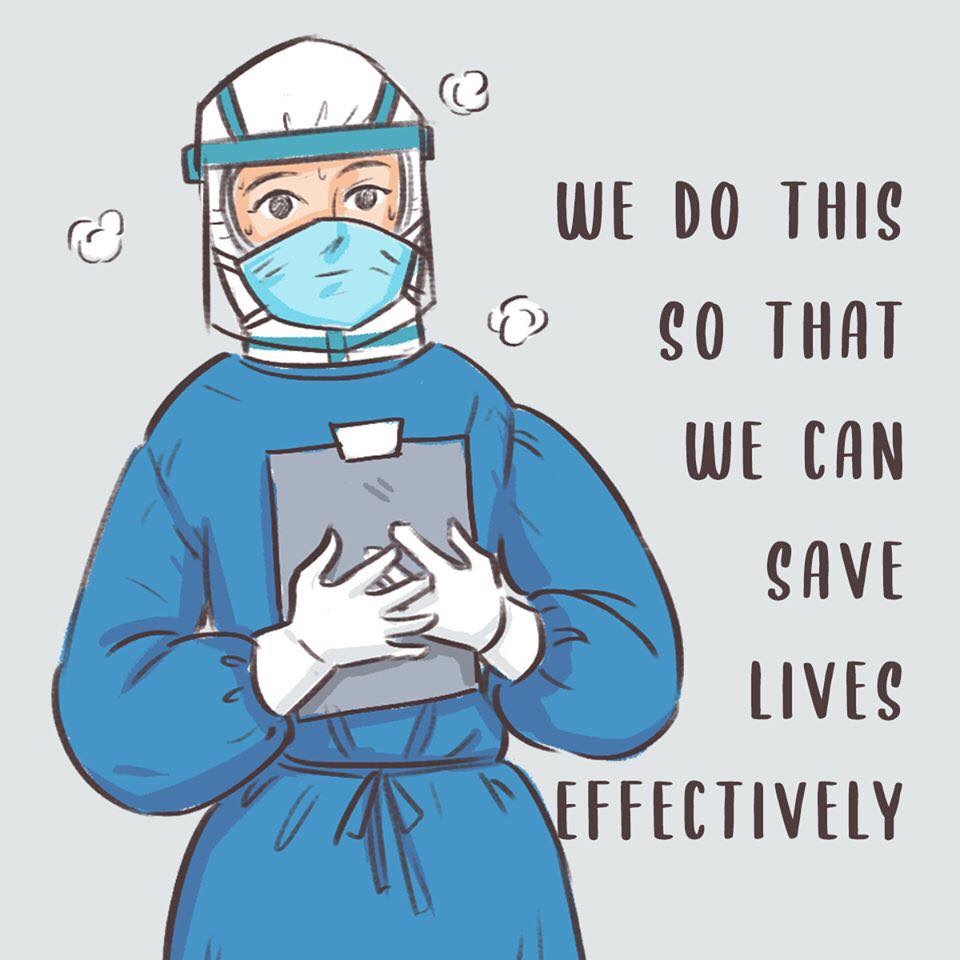
Working as a frontline nurse during the COVID-19 pandemic, particularly handling the dying and grieving, likely resulted in profound spiritual costs and benefits.
Spiritual Costs:
- Moral Injury: Nurses experienced significant moral distress and even moral injury due to situations where they were unable to provide the level of care they felt ethically compelled to provide, or were forced to act against their values, according to Psychiatry.org. Examples include having to wrap bodies in black plastic bags, making end-of-life decisions with limited resources, and witnessing patients dying alone due to visitor restrictions. This can lead to lasting feelings of guilt, shame, and betrayal.
- Questioning Beliefs: Witnessing suffering and death on such a scale led some nurses to question their spiritual or religious beliefs.
- Spiritual Weakness: Some nurses reported feeling spiritually weak or experiencing a decline in their spiritual practices as a result of the trauma they endured.
- Compromised Relationships: Strained relationships with colleagues, managers, and even family members due to fears of infection, long hours, and feeling undervalued could impact nurses’ spiritual well-being.
- Futility and Hopelessness: Nurses experienced profound feelings of futility and helplessness when they were unable to save patients or alleviate their suffering, impacting their sense of purpose and meaning.
Spiritual Benefits:
- Spiritual Growth and Deeper Meaning: Despite the immense challenges, some nurses reported positive spiritual changes and a deeper appreciation for life, relationships, and their professional identity.
- Resilience and Inner Strength: Developing resilience and tapping into inner strength and coping mechanisms, including spiritual practices, helped some nurses navigate the emotional and psychological turmoil.
- Finding Meaning and Purpose: Nurses who found meaning and purpose in their work, even amid adversity, experienced increased self-efficacy and resilience.
- Positive Coping Strategies: Religious and spiritual coping mechanisms like prayer, meditation, and connecting with faith-based communities helped some nurses manage stress and anxiety.
- Improved Relationships: For some, shared experiences and mutual support among colleagues fostered deeper connections and a stronger sense of community and teamwork, providing emotional and social support.
- Greater Compassion and Empathy: Witnessing the suffering of patients and families led to an increased sense of compassion and empathy, strengthening their commitment to providing holistic, patient-centered care.

The spiritual impact on nurses on the COVID-19 frontline was complex and multifaceted. While they endured significant spiritual costs like moral injury and questioning of beliefs, they also experienced profound spiritual benefits in the form of growth, resilience, and a deeper appreciation for life and their calling. These experiences underscore the importance of addressing the spiritual well-being of healthcare workers and providing them with the necessary support and resources to navigate the aftermath of such traumatic events.
Individuals living with Complex Post-Traumatic Stress Disorder (CPTSD), a condition resulting from prolonged or repeated trauma, often find themselves drawn to spirituality, meditation, and mindfulness as potential pathways to healing and finding meaning in their experiences.
- Seeking Meaning and Purpose: Trauma can deeply disrupt an individual’s sense of self and the world around them, leading to feelings of emptiness or a loss of purpose. Spirituality, whether defined as a connection to a higher power, a philosophical framework, or a personal search for meaning, can offer a way to rebuild this disrupted meaning system and find a sense of coherence amidst the chaos.
- Addressing Existential Wounds: CPTSD often creates deep existential wounds that require approaches beyond traditional cognitive techniques. Spiritual practices can help individuals confront these “soul wounds” and develop new frameworks for understanding their experiences within a broader context.
- Regulating the Nervous System: Trauma can dysregulate the nervous system, leading to hyperarousal (constant fight-or-flight) or hypoarousal (feeling numb or disconnected). Mindfulness and meditation practices, particularly those incorporating breathwork or movement, can help activate the parasympathetic nervous system (rest and digest), reducing the physiological arousal associated with trauma.
- Processing Emotions and Trauma:
Mindfulness, which involves non-judgmental awareness of the present moment, can provide a safe space to observe thoughts, emotions, and bodily sensations related to trauma without being overwhelmed by them. This can be particularly helpful for managing intrusive thoughts, flashbacks, and feelings of shame or guilt that often accompany CPTSD. - Fostering Self-Compassion and Healing: Meditation, especially practices like loving-kindness meditation, encourages self-compassion and self-acceptance, which can be crucial for healing the deep wounds of CPTSD and counteracting negative self-talk.
- Building Resilience and Coping Mechanisms: Spiritual practices can help individuals cultivate resilience by promoting positive psychological states like optimism and gratitude, and developing healthier coping mechanisms for managing stress and adversity.
- Connecting with Community: Spiritual communities can provide a sense of belonging and support, which can counteract the isolation often experienced by trauma survivors and facilitate post-traumatic growth and resilience.
Trauma-informed approaches are crucial
It’s important to note that while mindfulness and meditation can be powerful tools, for some individuals with CPTSD, traditional practices might initially trigger or exacerbate symptoms.
This is why trauma-informed mindfulness approaches are gaining recognition. These approaches recognize that:
- Stillness or intense focus on internal sensations can be activating for trauma survivors.
- Practices may need to be modified, incorporating grounding techniques, gentle movement, or external focus (like observing objects).
- The pace of practice should be slow and gradual, especially when experiencing distress or dissociation.
- A sense of safety and connection with a therapist or teacher is paramount.

Ultimately, the desire to explore spirituality, meditation, and mindfulness in the context of CPTSD is often rooted in a deep-seated need for healing, meaning-making, and reclaiming a sense of self and purpose that may have been fractured by trauma. When approached with caution and ideally within a trauma-informed framework, these practices can become valuable companions on the journey to recovery and well-being.
 The Grove Coven