
days
hours minutes seconds
until
Next Full Moon Ceremonies
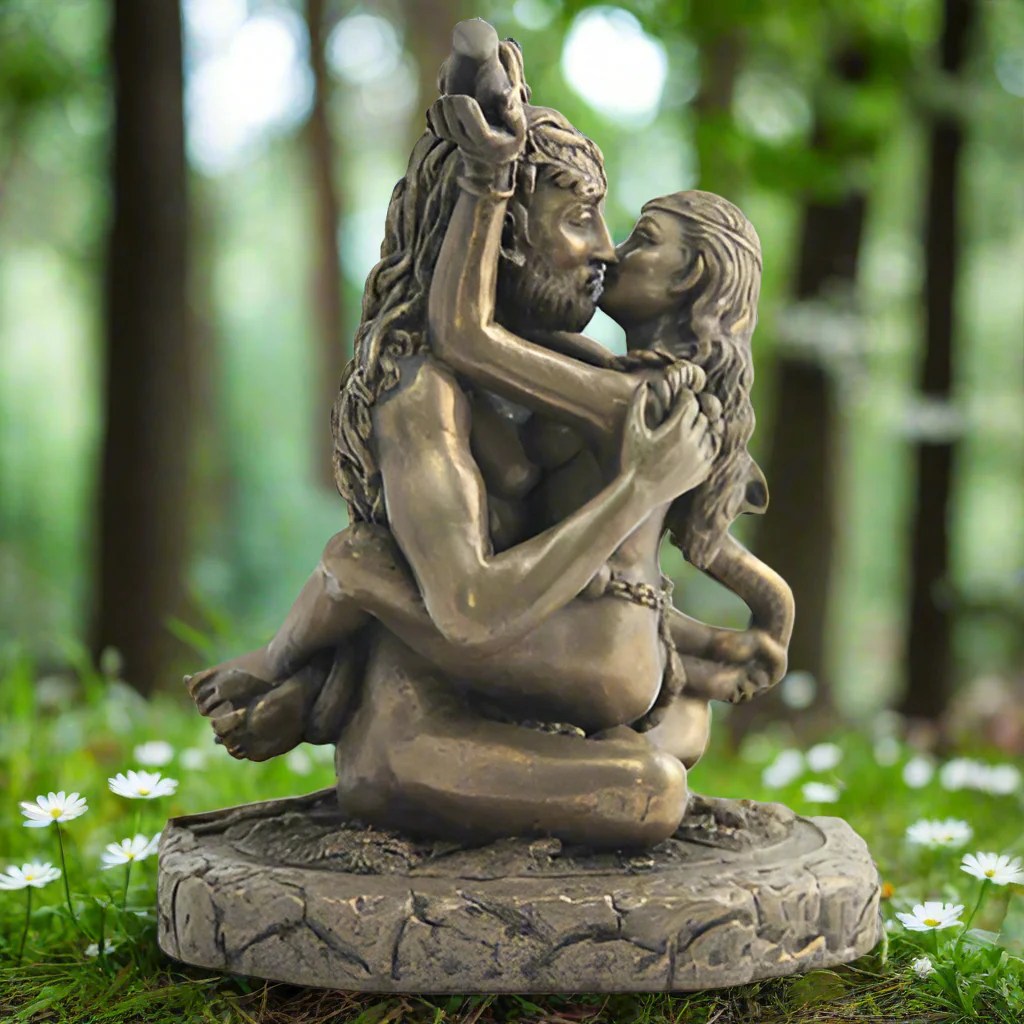
The Great Rite is a central and often misunderstood ritual in Wicca, celebrating the sacred union and polarity of the masculine and feminine divine, represented by the God and Goddess. It’s fundamentally a fertility ritual, honoring the creative power of the universe and the duality inherent in nature. The ritual is believed to draw energy from the union to achieve a specific magical or spiritual purpose, like strengthening a coven, birthing a new project, or seeking blessings for a good harvest.
Two forms of the Great Rite:
- Symbolically (in token): This is the more common practice and involves the High Priestess plunging an athame (ritual knife) into a chalice (cup) of wine. The athame symbolizes the masculine principle, while the chalice represents the feminine, and their union symbolizes the sacred marriage of the God and Goddess and the act of divine creation.
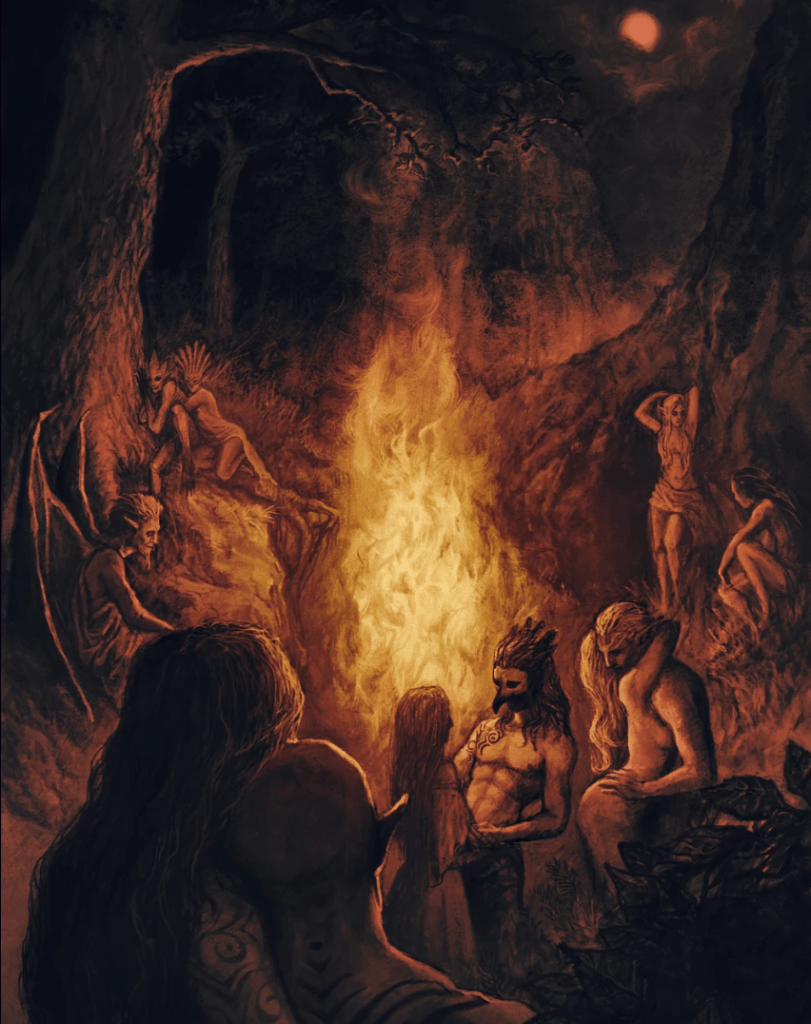
- Literally (in actuality): This involves sexual intercourse between the High Priest and High Priestess, often performed privately, or in the presence of a coven that forms a circle around the couple, according to Ceisiwr Serith. This version emphasizes the power and sacredness of human sexuality as a representation of divine creative force.
Why treat it sensitively and with clear intentions?
Regardless of the form, it’s crucial to approach the Great Rite with sensitivity and clear intentions for several reasons:
1. Respect and Consent:
- The Great Rite, especially in its literal form, involves a powerful and intimate act. It is essential that all participants are fully consenting and comfortable with the nature of the ritual, notes Wicca Magazine.
- No one should feel pressured or coerced into participating in any form of the ritual.
2. Ethical Considerations:
- Wicca emphasizes the Wiccan Rede: “An it harm none, do what ye will.” This ethical guideline necessitates careful consideration of the potential impact of one’s actions, including ritual practices, on oneself and others.
- The ritual should be performed with respect for the participants, the deities, and the sacred space.
3. Focus and Purpose:
- The Great Rite is a form of sympathetic magic, where a small-scale act is performed to influence a greater outcome.
- Clear intention is vital to direct and focus the powerful energy generated during the ritual towards the desired outcome, ensuring the magic is effective and channeled appropriately.
- Without clear intention, the energy might be unfocused or even harmful, says a Reddit user.
4. Cultural and Personal Differences:
- Wicca encompasses various traditions, and interpretations and practices of the Great Rite may differ.
- Individual comfort levels and beliefs regarding sexuality and ritual practices also vary greatly.
- Respecting these differences and ensuring open communication within a coven or group is essential.
In summary, the Great Rite in Wicca is a sacred ritual symbolizing the union of the masculine and feminine divine, fertility, and creation. It’s crucial to approach it with sensitivity, respect, and clear intentions, ensuring all participants are comfortable and that the ritual serves its intended spiritual purpose without causing harm or discomfort.
Ensuring consent and respect in the literal Great Rite within Wicca is paramount, given its intimate and powerful nature. Several safeguards are employed by ethical Wiccan covens and individuals to uphold these values:
1. Explicit and Ongoing Consent:
- Verbal Affirmation: All participants must explicitly agree to the literal Great Rite, understanding its nature and their role within it. This consent should be enthusiastic and freely given, not pressured or coerced.
- Opt-Out Option: Individuals have the right to decline participation in the literal Great Rite without fear of judgment or reprisal. Many practitioners may prefer the symbolic form or choose not to participate in the Great Rite at all.
- Right to Withdraw Consent: Participants can withdraw their consent at any point during the ritual if they become uncomfortable or change their minds.
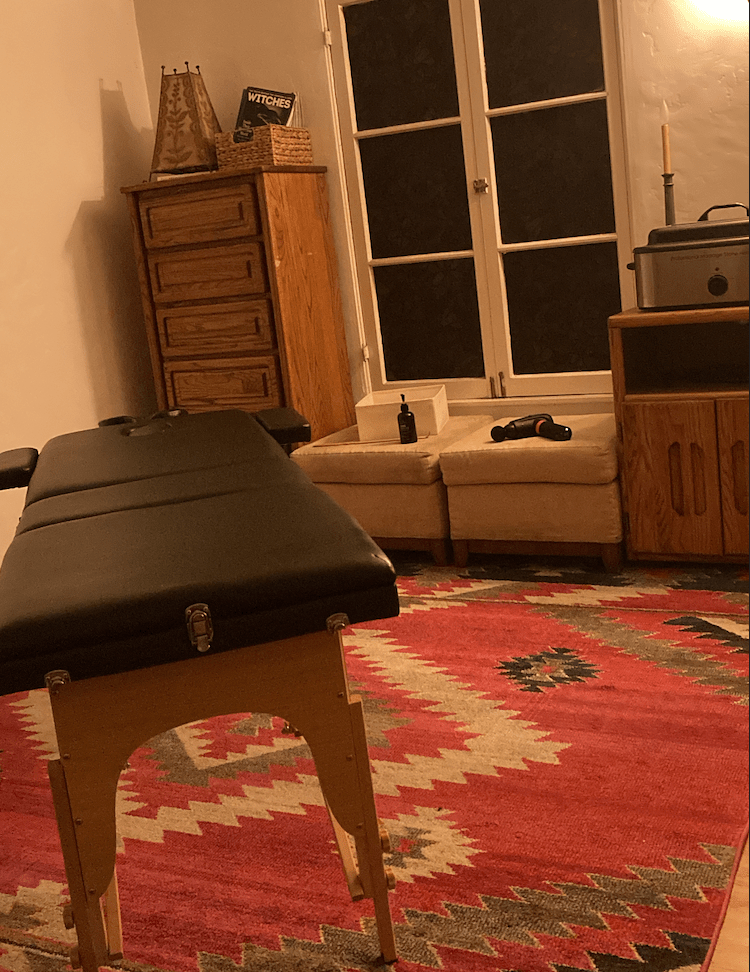
- Skyclad Work and Boundaries: If a coven practices skyclad (nude) rituals, this should be clearly communicated and understood by all members before any participation in the Great Rite. However, nudity is never an invitation for sexual contact or an override of personal boundaries.
2. Open Communication and Ethical Guidelines:
- Pre-Ritual Discussions: Open and honest conversations about the nature of the Great Rite, expectations, and boundaries should take place before any ritual where it might be performed.
- Ethical Codes: Wiccan ethics, particularly the Wiccan Rede (“An it harm none, do what ye will”), and the Law of Threefold Return, emphasize responsibility and the importance of not harming others. These principles guide ethical behavior within the coven and during the Great Rite.
- Leader Accountability: High Priests and Priestesses, as coven leaders, are responsible for creating and maintaining a safe and respectful environment, ensuring all participants understand and adhere to the ethical guidelines.
- Safe Space Creation: The coven should strive to create a safe space for open discussion about boundaries, concerns, and any discomfort related to ritual practices.
- Addressing Concerns: A mechanism should be in place for participants to voice concerns or report any inappropriate behavior during or after a ritual, without fear of repercussions.
3. Clear Intentions and Mutual Respect:
- Understanding the Sacredness: All participants should approach the ritual with an understanding of its sacredness and the profound meaning behind the union of the divine masculine and feminine energies.
- Mutual Respect: Participants should respect each other as individuals and as manifestations of the divine, ensuring that their actions are driven by reverence and honor.
- Focus on Purpose: The Great Rite, in its literal or symbolic form, is ultimately a ritual for spiritual growth, creation, and connection with the divine. Participants should remain focused on these intentions, rather than solely on the physical act itself.
By implementing these safeguards and fostering a culture of open communication, respect, and personal responsibility, Wiccan communities can ensure that the Great Rite, when performed literally, remains a sacred and empowering experience for all participants.
Violating ethical guidelines during a Great Rite in Wicca can have serious consequences, impacting individuals, the coven, and the broader community. These consequences can be both immediate and long-term, and may include:
1. Spiritual Consequences:
- Breach of Trust and Damaged Relationships: Violating consent or acting disrespectfully during a Great Rite can significantly damage the trust between individuals involved and within the coven as a whole. This can lead to tension, resentment, and even the fracturing of the coven or community. ResearchGate emphasizes the negative publicity that results from ethical violations, leading to a loss of trust among customers, partners, and the public.
- Karma and the Law of Threefold Return: Many Wiccans believe in the Law of Threefold Return, which suggests that whatever energy one puts out, positive or negative, returns threefold. Violating ethical guidelines during a sacred ritual like the Great Rite would be considered a negative action, potentially leading to negative consequences for the individual involved. However, some practitioners view this law as more of a guide for behavior within the community rather than a karmic punishment.
- Loss of Credibility and Respect: Violating ethical standards can lead to a loss of credibility and respect, both within the Wiccan community and from those outside of it.
- Disturbance of Energy and Sacred Space: The Great Rite is intended to generate positive, creative energy. Ethical violations can disrupt this energy, potentially creating negative or chaotic influences within the ritual space and for those present.
- Spiritual Disconnection: Violating ethical guidelines can lead to a sense of spiritual disconnection or a feeling of being out of alignment with one’s spiritual path and the Wiccan deities.
2. Personal Consequences:
- Emotional and Psychological Distress: Violating someone’s consent or acting disrespectfully can cause deep emotional and psychological harm, both to the victim and potentially the perpetrator. Ritual sexual abuse can cause severe psychological effects, highlighting the potential for deep harm from such violations.
- Legal Consequences: If the violation involves criminal acts, such as sexual assault, it could lead to legal charges and penalties, regardless of the ritual context.
- Reputational Damage: Violating ethical guidelines can harm a person’s reputation, leading to ostracization from the community and difficulty forming future connections. The example of a damaged reputation resulting in decreased loyalty and potential loss of business is noted in research on ethical violations.
- Moral Outrage and Punishment: Violating a sacred ritual can elicit strong moral outrage from other members of the community, potentially leading to punishment or exclusion.
3. Community Consequences:
- Erosion of Trust and Community Fabric: Ethical violations, especially involving consent, can deeply damage the trust and cohesion of the coven or broader Wiccan community.
- Negative Impact on Reputation of Wicca: Actions within a coven or group can impact the wider perception of Wicca, potentially reinforcing negative stereotypes or misconceptions.
- Need for Restorative Justice: When ethical guidelines are violated, communities may need to engage in restorative justice practices to address the harm caused, heal relationships, and rebuild trust. Restorative justice emphasizes reconciliation and community healing, according to projectliftservices.org.
In essence, violating ethical guidelines, especially concerning consent, during a Great Rite in Wicca carries significant consequences on multiple levels. It can result in spiritual repercussions, personal distress, and damage to the community’s trust and reputation. Adhering to the principles of the Wiccan Rede and ensuring explicit, ongoing consent are crucial to safeguarding the integrity of this sacred ritual and fostering a respectful and ethical Wiccan path.
Just as individuals in a Wiccan coven might seek to make amends for harm they’ve caused, a coven as a collective entity can also implement restorative practices to address harm caused by its actions or inaction. Here are some examples:
1. Public Apologies and Acknowledgements:
- Formal Apology Ritual: The coven could perform a public ritual of apology, either to the affected individual(s) or the wider community if the harm was more far-reaching. This ritual would acknowledge the harm, express sincere remorse, and include a commitment to preventing future occurrences.
- Acknowledgement and Validation: Acknowledge the harm and validate the experiences of those affected, creating a safe space for them to share their perspectives and feelings.
2. Restitution and Reparation:
- Material Restitution: If the harm involved property damage or financial loss, the coven could collectively offer to repair or replace what was lost, or offer financial compensation.
- Time and Effort: If the harm caused inconvenience or distress, the coven might offer its time and efforts to assist the affected individual(s) in other ways, like providing practical support or helping with tasks.
- Spiritual Restitution: The coven could perform a ritual specifically aimed at cleansing the negative energies or repairing the spiritual damage caused by the harm, seeking to restore balance and harmony.
3. Community Service and Engagement:
- Volunteer Work: The coven could engage in community service projects that align with their values and demonstrate a commitment to making a positive contribution to the wider world.
- Advocacy and Education: The coven could become advocates for a specific cause, such as consent education or anti-bullying initiatives, if the harm was related to those issues. This not only makes amends but helps prevent future harm.
- Sharing Skills: Coven members could offer their skills and talents to the wider community in a way that is helpful and constructive, like leading workshops on ethical practices or teaching practical skills.
4. Internal Reflection and Ethical Re-Evaluation:
- Ethical Review: The coven could conduct an internal review of its practices and decision-making processes to identify any areas where ethical guidelines were overlooked or violated.
- Open Discussion and Accountability: Create a safe space for coven members to discuss what happened, hold each other accountable for their actions, and learn from mistakes.
- Strengthening Ethical Training: The coven could implement or strengthen training programs on consent, ethical boundaries, and responsible magical practice.
5. Building Relationships and Fostering Reconciliation:
- Circles and Dialogue: Use Circles or other restorative justice processes to facilitate communication and understanding between the coven and the affected individual(s). This allows everyone to share their perspectives, acknowledge the harm, and work towards healing and reconciliation.
- Mediation and Facilitation: If necessary, seek the help of an experienced mediator or facilitator to guide the process and ensure productive communication.
- Long-Term Commitment: Rebuilding trust and healing relationships takes time. The coven should commit to a long-term process of demonstrating trustworthiness, empathy, and a genuine desire to repair the harm.
By implementing these practices, a Wiccan coven can not only address the immediate harm caused but also strengthen its ethical foundations, foster a more responsible and compassionate community, and uphold the core values of Wicca.

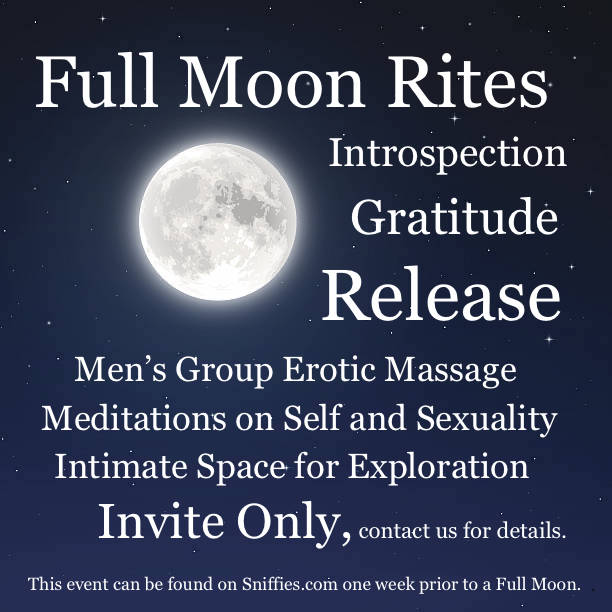
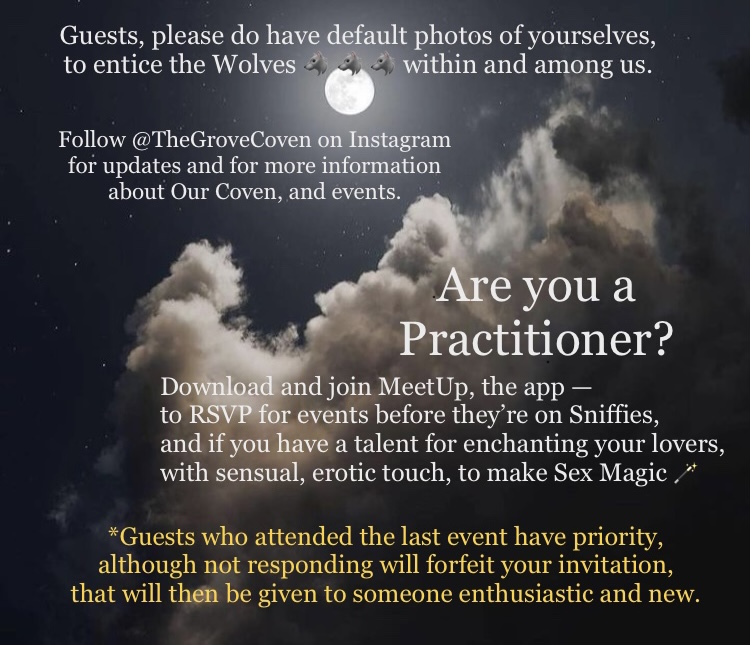
Sniffies is a map-based web application designed primarily for gay, bisexual, and bi-curious men seeking casual encounters and hookups. It operates like a digital map, showing the approximate locations of other users and popular cruising hotspots in real-time.
Users can browse profiles, chat, and share photos to connect with potential partners in their vicinity. The platform’s name alludes to the idea of “sniffing out” or discovering what’s happening around you and who might be nearby.
How Sniffies Facilitates Community and Connections:
- Location-based Cruising: Its core feature is the interactive map, which highlights potential connections and known cruising spots like parks or bars. This allows users to engage with others based on real-time availability and proximity.
- Group Features: Sniffies includes a group feature for organizing and joining group events, from casual meetups to more adventurous gatherings. This fosters social interaction beyond one-on-one encounters.
- Community Boards: Users can post “Cruising Updates” to a public message board, sharing information about meetups or just general interactions.
- Emphasis on Specific Interests: Profiles allow users to detail their kinks and fetishes, facilitating connections with individuals who share similar desires.
- Discreet Exploration: The platform caters to those seeking discreet or anonymous encounters, offering options for anonymous browsing and profiles with limited information. This inclusivity is particularly appealing to bi and straight-curious men, who may feel underserved by other apps.
- Travel Mode: Sniffies also plays a role in LGBTQ+ travel, providing insights into gay-friendly destinations and popular hangouts, notes garconofficial.com.

Potential Dangers:
- Privacy Risks: While Sniffies aims for discretion, the reliance on location-sharing, even if approximate, presents privacy concerns. Individuals could be tracked or identified by others, especially if they are not out or comfortable with their identity being known.
- Sextortion and Scams: The emphasis on quick connections and anonymity can make users vulnerable to online predators and blackmailers. Users could be tricked into sharing explicit content, which may then be used for extortion, especially if they are exploring their sexuality or seeking discreet encounters. Digital Forensics Corp notes a significant number of sextortion cases originate on dating applications.
- Underage Users: Concerns exist about minors potentially accessing the platform, as it’s designed for adults.
- Security Concerns: While Sniffies does use security measures like SSL encryption, http://www.datingadvice.com suggests the site could do more to vet its members and implement stronger safety precautions. However, according to http://www.publiclyprivate.org, Sniffies moderators check profiles to ensure they are real and safe.
- Catfishing and Impersonation: As with any online platform, there’s a risk of encountering fake profiles or individuals misrepresenting themselves. LivePlay (video chat) can help verify identities, but caution is always advised.
- Potential for Legal Issues: Some activities facilitated by the app, particularly those in public or semi-public spaces, could potentially lead to legal issues depending on local laws and regulations.
Recommendations for Staying Safe:
- Be cautious with personal information: Avoid sharing sensitive details like your full name, address, or workplace.
- Verify before meeting: Engage in chat and possibly video calls before meeting in person.
- Meet in public places: Choose a well-lit, populated location for your first meeting.
- Inform a trusted friend: Let someone know where you’re going and when you expect to return.
- Trust your instincts: If something feels off, disengage immediately and don’t hesitate to block or report users who make you uncomfortable.
- Prioritize sexual health: Practice safe sex and get tested regularly for STIs.
- Be aware of your surroundings: When cruising in public or semi-public spaces, be discreet and follow local laws.
- Beware of scammers: Be cautious of individuals who request money or personal favors.
Sniffies, like other dating and hookup platforms, offers opportunities for connection within the LGBTQ+ community, but users must be aware of the associated risks and take precautions to ensure their safety and well-being.

Witches and the LGBTQ+ community both have valid reasons for prioritizing privacy and discretion. Their histories involve periods of persecution and discrimination, and even in more accepting societies, maintaining some level of privacy can be a matter of safety and comfort.
Why Witches and Covens Protect their Privacy:
- Historical Persecution: Historically, individuals accused of witchcraft faced brutal persecution, including torture and execution, like during the Salem Witch Trials. This created a deep-rooted need for secrecy and discretion to avoid harm.
- Protection from Prejudice and Discrimination: Even today, some people hold negative stereotypes or prejudices about witches, based on fear and misinformation. Openly identifying as a witch can lead to ostracization, harassment, or discrimination in social, professional, or familial settings.
- Maintaining Sacredness and Focus: For some traditions, discussing spellwork or rituals can dilute their energy or efficacy. Keeping certain practices private also helps maintain their sacredness and allows practitioners to focus without external interference or judgment.
- Coven Cohesion and Security: Covens often have specific traditions, names, or practices that are considered private and passed down through initiation. This fosters trust and a sense of shared community among members while offering protection against outsiders who may not be trustworthy or respectful.
How the Gay Community Protects its Privacy:
- Protecting Against Discrimination and Harm: The LGBTQ+ community has a history of facing discrimination, harassment, and violence, and privacy is a crucial defense against these threats. Being outed against one’s will can have devastating consequences, including loss of employment, strained family relationships, and even physical harm or death.
- Controlling the Coming Out Process: Deciding when, how, and to whom to reveal one’s sexual orientation or gender identity is a very personal and intimate moment. Privacy allows individuals to control this process and share information at their own pace and in environments where they feel safe and supported.
- Online Safety and Digital Footprint: Members of the LGBTQ+ community, particularly youth, tend to be early adopters and heavy users of the internet and online services. While the internet offers valuable resources and community, it also presents risks like harassment, online outing, and data breaches. Using strong privacy settings, secure communication tools, and being cautious about sharing personal information online are vital safeguards.
- Finding Safe Spaces and Community: Privacy-protected online forums and communities, like TrevorSpace and Q Chat Space, are essential for LGBTQ+ individuals seeking support, connection, and information in safe and accepting spaces.
- Navigating Insecure Environments: For those living in unsupportive or hostile environments, privacy can be a lifeline. Maintaining discretion allows them to access resources, communicate with others, and navigate daily life without fear of exposure or harm.
In both cases, privacy isn’t about shame or hiding. It’s about safety, autonomy, and the ability to live authentically while navigating a society that may not always be fully understanding or accepting.

The Great Rite, in its literal form, celebrates the union of the divine masculine and feminine principles, traditionally represented by heterosexual intercourse. However, many contemporary Wiccans actively subvert gender roles and create spaces for alternative sexualities to equally embody the sacred.
Gay male Wiccans can adapt the Great Rite to reflect their experiences while maintaining the ritual’s spiritual essence, particularly when performed during a full moon, a time associated with feminine energy and the Goddess. Wicca Magazine mentions the Great Rite honors both the feminine and masculine divine.
1. Embodying Divine Energies:
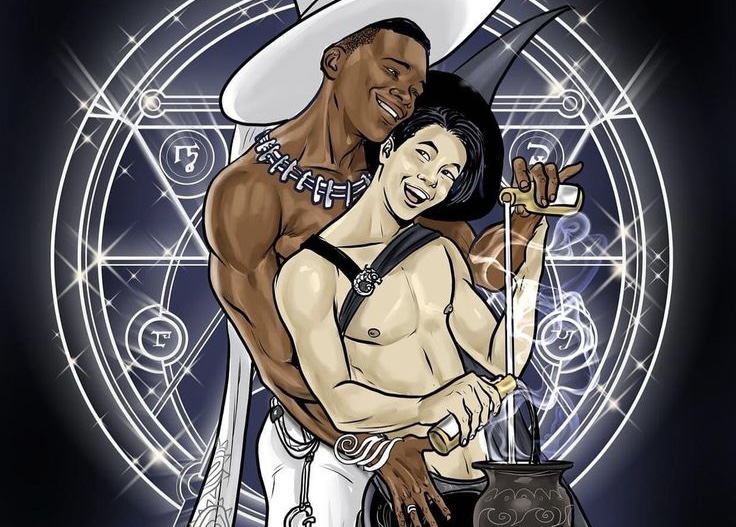
Instead of a High Priest and High Priestess, two male practitioners could embody complementary energies:
The Lover/Initiator: Represents the active, solar energy traditionally associated with the God, but focused through a gay male lens. This could involve invoking deities associated with male love, passion, and creativity, such as Pan or Apollo.
The Beloved/Receiver: Represents the receptive, lunar energy traditionally associated with the Goddess, but expressed through a gay male experience. This could involve invoking deities associated with male sensuality, connection, and emotional depth, such as Dionysus or Hermes.
The ritual could emphasize the union of two masculine principles, or the integration of masculine and feminine energies within each individual, or the union of the participants’ souls, as suggested by the Temple of Witchcraft’s Queer Spirit Ministry.

2. Setting the Ritual Space and Intentions:
- Circle Casting and Consecration: Cast a sacred circle, inviting the Elements and the God and Goddess to bless the space.
- Drawing Down the Moon (and potentially the Sun): During the full moon, the focus would be on drawing down the Goddess energy, potentially through the practitioner embodying the Beloved. Depending on the coven or individual’s focus, the God energy could also be drawn down, as a complementary force, even without a direct heterosexual representation. The Quora entry about the importance of drawing down the moon says it is not necessary to perform this ritual at a full moon.
- Clear Intentions: Before proceeding, the participants would clearly state their intentions for the ritual, focusing on themes like:
- Celebrating the sacredness of same-sex love and sexuality.
- Honoring the divine masculine in its many forms.
- Drawing down energies of love, creativity, inspiration, and community.
- Strengthening the bonds within the coven or between the two participants.
3. The Literal Act:
- Consent and Comfort: As discussed earlier, explicit and ongoing consent, as well as a focus on the comfort and well-being of all participants, are paramount.
- Embodiment of Deities: The two participants engage in a sexual act, embodying the energies of the invoked deities and merging with the divine.
- Symbolic Gestures: The union could be accompanied by symbolic gestures and affirmations that reflect the unique bond between the two men. This could involve chanting, sharing words of love and commitment, or engaging in other acts that hold personal significance.
- Focus on Energy Flow: The intent is to raise and channel the powerful energy generated during the act towards the stated purpose of the ritual, whether it’s for personal growth, coven strength, or other magical goals. Wicca Magazine says the Great Rite harnesses the power of fertility and allows practitioners to birth their own magickal work and projects.
4. Post-Ritual Practices:
- Grounding and Release: After the act, the participants would engage in grounding techniques to reintegrate with their bodies and the physical world.
- Feasting and Fellowship: Sharing food and drink, along with conversation and celebration, helps to solidify the bonds created during the ritual and bring the energy back into a more mundane context.
- Journaling and Reflection: Participants may want to document their experiences and reflections in their Books of Shadows to deepen their understanding of the ritual and its impact.
By consciously adapting the Great Rite and grounding it in their lived experiences, gay male Wiccans can create a powerful and meaningful ritual that celebrates their love, honors the divine in its diverse forms, and reinforces the inclusive spirit of modern Paganism.
Deep spiritual practices and rituals can create strong energetic connections between participants. When these practices are repeated over time, they can lead to a significant accumulation of energies and a powerful bond that, while potentially transformative and beneficial, may also require careful management.
Potential energetic consequences of deep spiritual connections
Deepening Connection: Repeated shared spiritual experiences can lead to the formation of strong energetic cords between participants. This can manifest as increased emotional intimacy, heightened intuition about each other, and a feeling of being interconnected on a deeper level. While initially desirable, it can also blur boundaries and potentially lead to dependency if not managed mindfully.
Intensified Energy Flow: The repeated channeling of energies during shared rituals can create a powerful vortex of energy within the individuals and the space where the rituals are performed. This can lead to a heightened sense of spiritual awareness and a deeper connection to the divine or spiritual forces involved.
Shared Psychic Space: The repeated intimacy and energetic exchange can create a shared psychic space, potentially allowing for greater empathy and intuition, but also a risk of taking on each other’s emotional baggage or unresolved issues.
Burnout and Fatigue: If proper grounding, energy management, and integration practices are not consistently followed, repeated powerful spiritual practices can lead to energetic burnout and fatigue.
Unintended Side Effects: As with any magical or spiritual practice, there’s always a possibility of unintended side effects if not carefully managed or understood within a specific tradition. This could manifest as difficulty focusing, emotional volatility, or experiencing unusual phenomena.
Releasing or Lessening Shared Energies:
If individuals feel the need to release or lessen an intense energetic connection forged through repeated deep spiritual practices, various “unbinding” or cord-cutting rituals and techniques can be employed. These practices aim to sever the energetic ties that no longer serve the individuals’ highest good while preserving any positive aspects of the experience.
Here are some general approaches:
Intention-Setting: Clearly state the intention to release the energetic connection while acknowledging any positive lessons and experiences shared.
Visualization: Visualize a cord of light or energy connecting the two individuals, representing their energetic bond, and then visualize it being released or severed.
Symbolic Action: Use symbolic actions within a ritual context to represent the release of the energetic bond. This could involve physically cutting a string or thread that represents the connection, or using other symbolic gestures.
Cleansing and Protection: After the energetic tie is addressed, cleanse personal energy fields and the space to remove any lingering or residual energies. This can be done through various cleansing methods appropriate to one’s spiritual path.
Grounding and Release: Ground oneself to reconnect with the earth and release any remaining excess energy.
Journaling and Reflection: Engage in introspection through journaling to process emotions, clarify intentions, and integrate lessons learned from the experience.
Professional Guidance: If the energetic connection feels overwhelming or difficult to manage, it can be helpful to seek guidance from experienced spiritual practitioners, mentors, or even mental health professionals who are knowledgeable about spiritual practices and their potential impacts.
Ongoing Self-Care: Prioritize self-care practices such as meditation, grounding exercises, spending time in nature, and maintaining healthy boundaries in all relationships.
The key to unbinding or releasing shared energies is to approach the process with intention, respect, and a clear focus on the desired outcome of regaining personal energetic autonomy while honoring any valuable spiritual experiences shared.



 The Grove Coven