
The Indivisible Guide started as a Google Doc written by former congressional staffers following the 2016 US election. It provides a practical guide for individuals and local groups on how to effectively engage with their elected officials to advocate for progressive policies and resist what they consider to be harmful agendas.
The guide outlines strategies for activism and organizing, drawing inspiration from tactics used by conservative grassroots movements like the Tea Party. These strategies include:
- Making calls and writing letters to elected officials.
- Organizing and attending demonstrations.
- Scheduling meetings with representatives.
- Holding public events to raise awareness and build support.
- Engaging in electoral work to elect progressive candidates.
The Indivisible Guide quickly gained traction and became the foundation for a nationwide grassroots movement called Indivisible, which is still active today. This movement consists of thousands of local groups across all 50 states, collaborating with a national staff to push for progressive policies and fight for an inclusive democracy.
The Indivisible Project is a 501(c)(4) nonprofit that drives coordinated campaigns and supports the grassroots movement, according to Indivisible. Indivisible Civics is a 501(c)(3) that provides resources, training, and tools for the movement, says Indivisible. Indivisible Action is a PAC that focuses on electing progressive candidates and defeating those who oppose their vision.

The Indivisible Highlands of West Milford is a local group within the larger Indivisible movement. This suggests they are a group of grassroots activists in West Milford, New Jersey, who are working to resist the conservative agenda and promote progressive values at the local and national levels.
They have engaged in local activism, as evidenced by their co-hosting of a Black Fathers Matter rally in West Milford on Father’s Day, June 21, 2020. This rally was held in conjunction with West Milford Anti-Racist, Anti-Prejudice Neighbors Unite. Both groups called for the resignation of a West Milford police officer who had made anti-Black and anti-LGBTQ comments online.

Malcolm deCesare is a West Milford, New Jersey native who, in 2020, actively called for the West Milford Police Department to take responsibility for anti-LGBTQ and anti-Black comments made online by Officer James McMahon.

Malcolm deCesare is a West Milford, New Jersey, local and a community organizer who has been associated with the Indivisible Highlands of West Milford.
Here’s a summary of their connection:
- Co-founder — Malcolm deCesare is identified as a co-founder of the Indivisible Highlanders, a West Milford network of activists, survivors, and allies.
- Activism: They were a prominent voice in calling for the resignation of West Milford Police Officer James McMahon in June 2020 due to controversial comments, also targeting them specifically. Indivisible Highlanderss of West Milford, alongside West Milford Anti-Racist, Anti-Prejudice Neighbors Unite, co-hosted a rally on Father’s Day, June 21, 2020, to advocate for the officer’s resignation.
- Wider Connections: Malcolm deCesare is also identified as a Community Organizer, a Coven Leader, Tarot Reader, Wiccan Seer, Thinker, Speaker, and Writer. They are based in Los Angeles, but have connections to West Milford and New York.
In essence, Malcolm deCesare has been actively involved in activism in West Milford, New Jersey, particularly with the Indivisible Highlanders of West Milford, using their voice to advocate for social justice issues within the community.
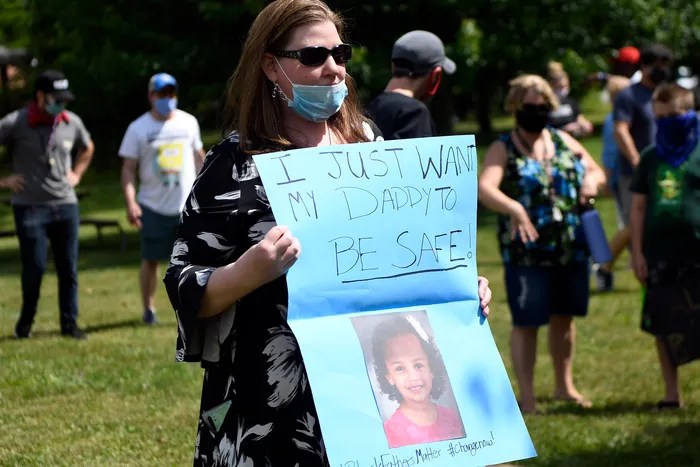
In 2020, West Milford Police Officer James McMahon faced calls for his resignation due to anti-LGBTQ and anti-Black comments he made online.
However, finding information on the current status of James McMahon with the West Milford Police Department has proven challenging. Recent searches for updates on disciplinary actions against officers for social media posts in New Jersey do not specifically mention James McMahon.
Therefore, based on the publicly available information, it is not possible to confirm the current status of James McMahon with the West Milford Police Department.
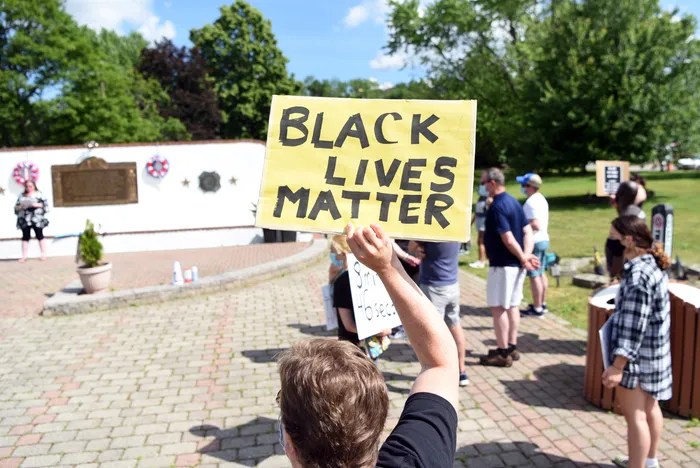
It’s challenging to provide a definitive outcome of the investigation into James McMahon’s comments as an officer with the West Milford Police Department.
Here’s a summary of what’s known:
- Complaints and Investigation: In early June 2020, complaints surfaced about anti-LGBTQ and anti-Black comments attributed to McMahon, leading to him being placed on administrative leave pending an investigation.
- Mayor’s Statement: The West Milford Mayor at the time stated her opposition to racists or bullies in her department but also cautioned against judging McMahon without knowing the full story.
- Investigation Process: The investigation was being handled by the Prosecutor’s Office, but there was a possibility it could be returned to the township for disposition.
However, there is no readily available information on the specific outcome of the investigation, such as whether McMahon faced disciplinary action, was reinstated, or resigned.
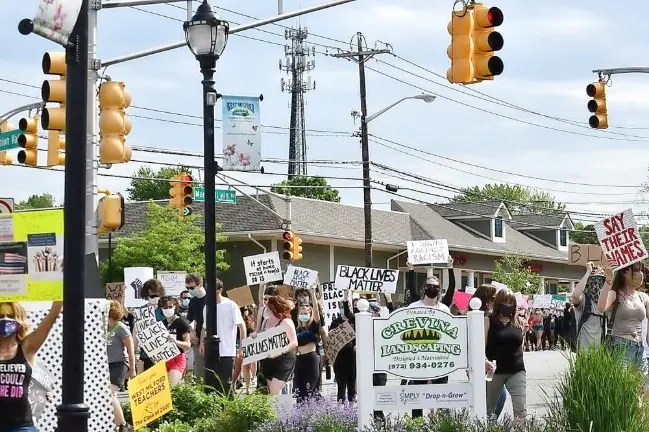
Based on the latest available census data from 2020 and 2022, West Milford, New Jersey, is predominantly White.
Here’s a breakdown of the racial and ethnic composition:
- White: 84.04% (2020 Census), 87% (2022 ACS 5-year census data). The majority of the White population is non-Hispanic.
- Hispanic or Latino: 9.09% (2020 Census), 8% (2022 ACS 5-year census data). (This category can include people of any race).
- Two or More Races: 3.35% (2020 Census), 2% (2022 ACS 5-year census data).
- Black or African American: 1.29% (2020 Census), 1% (2022 ACS 5-year census data).
- Asian: 1.52% (2020 Census), 2% (2022 ACS 5-year census data).
- Native American or Alaska Native: 0.29% (2020 Census), 0% (according to Niche).
- Some Other Race: 0.40% (2020 Census).
- Pacific Islander: 0.02% (2020 Census).
This data indicates that West Milford is a primarily White community with smaller populations of Hispanic, Multi-racial, Black, and Asian residents.
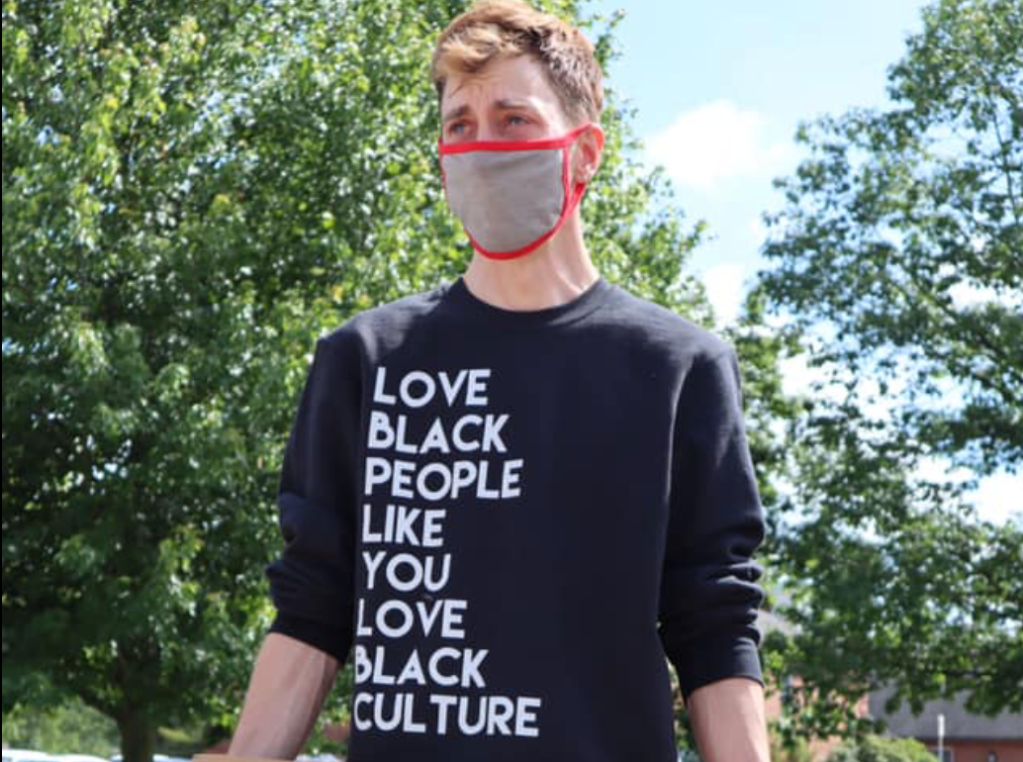
Assessing hate group presence in West Milford, New Jersey
Pinpointing the exact number or prevalence of hate groups within a specific township like West Milford can be challenging, as these groups often operate covertly or with loose affiliations. However, based on information from organizations that monitor hate and extremism:
- New Jersey has a history of hate group activity: The Anti-Defamation League (ADL) and the Southern Poverty Law Center (SPLC) have both documented the presence of hate groups in New Jersey over the years. These groups include various white supremacist factions, such as the Ku Klux Klan and racist skinhead groups, as well as some Black separatist groups.
- The number of hate groups in New Jersey has fluctuated: In 2014, the SPLC reported that New Jersey had the fourth highest number of hate groups in the country with 40 recognized chapters. However, these numbers have reportedly declined in more recent years.

- White supremacist propaganda and activity are a concern: Organizations like Patriot Front, the European Heritage Association, and White Lives Matter have been involved in spreading hateful messages and propaganda in the state. For instance, the New Jersey European Heritage Association (NJEHA) is a small, New Jersey-based white supremacist group known for spreading racism, anti-Semitism, and intolerance. The ADL also tracked a significant number of white supremacist propaganda incidents in New Jersey in 2019.
- West Milford specifically: There have been reports of racist incidents and bullying in West Milford schools, highlighting that hateful behavior can occur within the community, according to a News 12 report. However, it’s important to distinguish between individual acts of prejudice or bias and the presence of organized hate groups. It is not clear from the information available if there is an organized presence of hate groups in the town.

Overall trends:
New Jersey, like many other parts of the country, has experienced a rise in bias incidents and hate crimes in recent years. This increase is a cause for concern for organizations like the ADL and the American Civil Liberties Union (ACLU) of New Jersey. While information on the prevalence of organized hate groups specifically within West Milford might be limited, it’s evident that the broader issue of hate and bias remains a significant challenge for the state as a whole.

To run for local office in West Milford, New Jersey, you would need to:
- Meet Eligibility Requirements:
- Be a United States citizen.
- Be 18 years of age or older on or before the next election.
- Be a resident of West Milford for at least 30 days before the election.
- Not be serving a sentence of incarceration or be adjudged mentally incompetent.
- Understand Election Processes:
- West Milford operates under the Faulkner Act, which allows citizens the rights of Initiative, Referendum, and Recall.
- Recall petitions for the Mayor or Council members who have served a minimum of one year for just cause require signatures from 15% of the number of votes cast in the last State assembly election.
- Contact the Township Clerk’s Office:
- The West Milford Township Clerk’s office handles election information and can provide specific details about candidacy requirements and deadlines.
- Their office is located at 1480 Union Valley Road, West Milford, NJ 07480 and they can be reached at (973) 728-7000.

After being physically assaulted and harassed with slurs, and then losing a court case due to the gay panic defense, a gay teenager would likely face a range of severe repercussions, encompassing emotional, psychological, social, and potentially even physical impacts.
This is because the defense itself reinforces harmful stereotypes and can exacerbate existing trauma. Here’s a breakdown of potential repercussions:
Emotional and psychological impact:
- Re-traumatization: The experience of recounting the assault and then having their identity blamed for the violence can be incredibly re-traumatizing. This can exacerbate existing trauma or contribute to the development of new mental health challenges.
- Increased Anxiety, Depression, and Shame: Experiencing violence and then being invalidated by the justice system can significantly increase feelings of anxiety, depression, and shame. The loss might lead to feelings of hopelessness and powerlessness.
- Internalized Homophobia: Losing the case because of the gay panic defense can reinforce harmful messages that being gay is wrong or deserves violence, potentially leading to or deepening internalized homophobia.
- Mistrust of the Justice System and Authority Figures: The teenager may develop a deep distrust of the legal system and potentially other authority figures, leading to feelings of alienation and isolation.
- Difficulty Healing and Moving Forward: The lack of justice and the implied validation of the attacker’s actions can make it incredibly difficult for the teenager to process the trauma and move forward in their life.
Social repercussions:
- Further Victimization and Bullying: The court case and the defense’s arguments might be publicized, potentially exposing the teenager to further bullying or harassment at school or in their community.
- Social Isolation: The emotional toll and fear of further prejudice might lead the teenager to withdraw from social situations, potentially impacting friendships and support systems.
- Negative Impact on School Performance: The emotional distress and trauma can affect the teenager’s ability to focus in school, leading to a decline in grades or other academic challenges.
- Strained Relationships with Family and Friends: While hopefully supportive, family and friends may struggle to understand the nuances of the legal process and its emotional impact, potentially straining relationships.
Potential physical repercussions:
- Exacerbated Physical Injuries: The initial physical assault can have lasting effects, which might be compounded by the stress of the court case and the lack of justice.
- Increased Risk of High-Risk Behaviors: In some cases, individuals struggling with trauma and emotional distress may engage in high-risk behaviors like substance abuse or unhealthy coping mechanisms.
In summary, losing a case due to the gay panic defense can inflict a profound and lasting impact on a gay person’s well-being. It is a stark reminder of the continued need to eliminate this harmful defense tactic and create a more just and equitable society for all, especially for vulnerable LGBTQ+ youth.

A person targeted by their peers, neighbors, and the local police department might have several compelling reasons to move far away from their hometown. These reasons often stem from the severe impact such experiences can have on an individual’s safety, mental health, and overall well-being.
1. Ensuring personal safety and security
- Fear for physical safety: Persistent harassment and the involvement of law enforcement could escalate to threats or acts of violence, especially if the person’s civil rights are being violated, says the Department of Justice.
- Protection from escalation: Moving removes the individual from the immediate environment where the conflict originated and may prevent further escalation of the situation.
- Seeking a safe haven: A new location can offer a fresh start, allowing the individual to feel secure and rebuild their life away from the source of the harassment.
2. Protecting mental and emotional well-being
- Alleviating chronic stress and anxiety: Being constantly targeted by neighbors and police can lead to high levels of stress, fear, and anxiety, significantly impacting mental health.
- Preventing PTSD and other mental health issues: Studies have shown that encounters with law enforcement, especially when perceived as discriminatory, can lead to PTSD and other mental health problems, according to the National Institutes of Health (NIH).
- Regaining peace of mind: Distance from the harassment can provide a sense of psychological freedom and allow the individual to recover and heal from the traumatic experiences.
3. Escaping a hostile or unsupportive environment
- Breaking free from a toxic environment: If the community as a whole supports the harassment or is unresponsive to the individual’s concerns, the environment becomes toxic and unsustainable, according to Quora.
- Building a new support network: Moving away provides an opportunity to find and connect with new communities that are more supportive and welcoming, fostering positive relationships.
- Avoiding social isolation and stigma: Being targeted can lead to social isolation and a sense of alienation, which can be overcome by establishing a new life elsewhere, says Supportive Care.
4. Seeking legal recourse or a fair chance
- Limited options for legal action: When local law enforcement is involved in the targeting, pursuing legal avenues within that jurisdiction may be difficult or biased.
- Seeking a fresh perspective: Moving might allow the individual to access legal counsel or support organizations in a different location, potentially leading to a fairer assessment and resolution of their situation.
- Removing barriers to justice: Relocating can remove the implicit biases and obstacles to justice that might exist in a small, tight-knit community where a person is being targeted.
5. Achieving personal growth and a fresh start
- Embracing personal development: Moving to a new city forces individuals to step outside their comfort zone, providing opportunities for personal growth and resilience.
- Redefining oneself: A fresh start allows individuals to shed the negative associations and experiences of the past, and create a new identity and future for themselves, says Dean Graziosi.
- New opportunities and perspectives: Relocating can open doors to new social circles, career opportunities, and a different way of life, fostering a sense of renewal and hope.
In essence, when faced with harassment by neighbors and the local police, moving away can be a crucial step towards ensuring personal safety, protecting one’s mental and emotional well-being, finding a supportive community, seeking a fair chance at justice, and embracing the opportunity for a new and fulfilling life.
 The Grove Coven