
Meetup.com, founded in 2002 by Scott Heiferman and his team, emerged from a poignant realization following the events of September 11, 2001.
Witnessing the spontaneous outpouring of community support among neighbors in New York City, many meeting for the first time, inspired Heiferman to create an online platform for fostering real-life connections around shared interests.
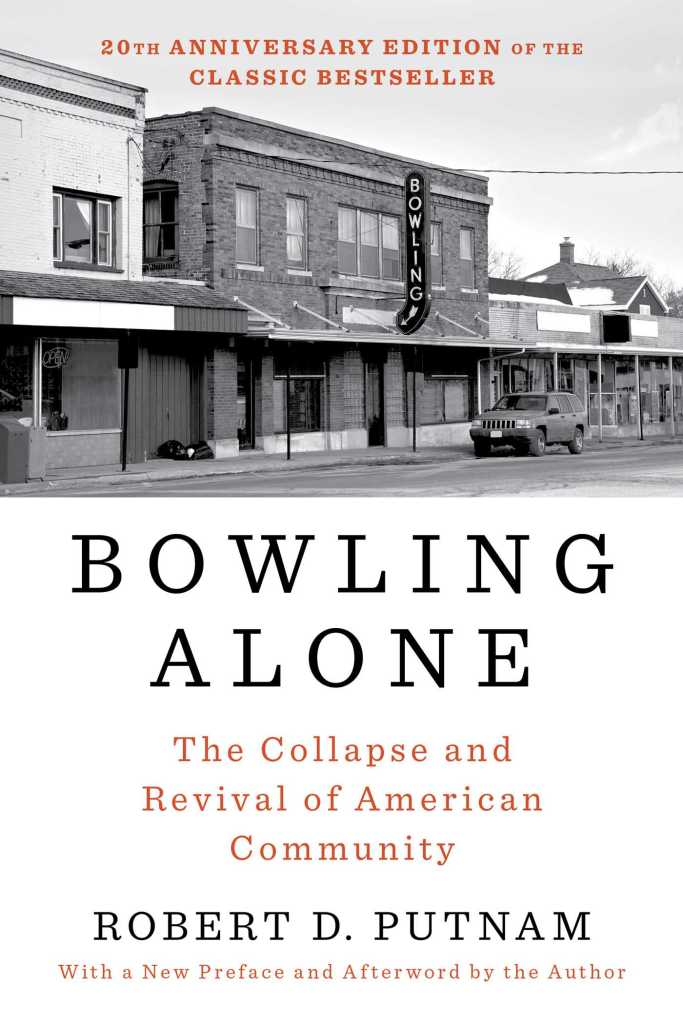
The platform’s initial goal was to counteract the decline of community in American culture, as observed in the book Bowling Alone.
Meetup.com attracts political and pagan communities:
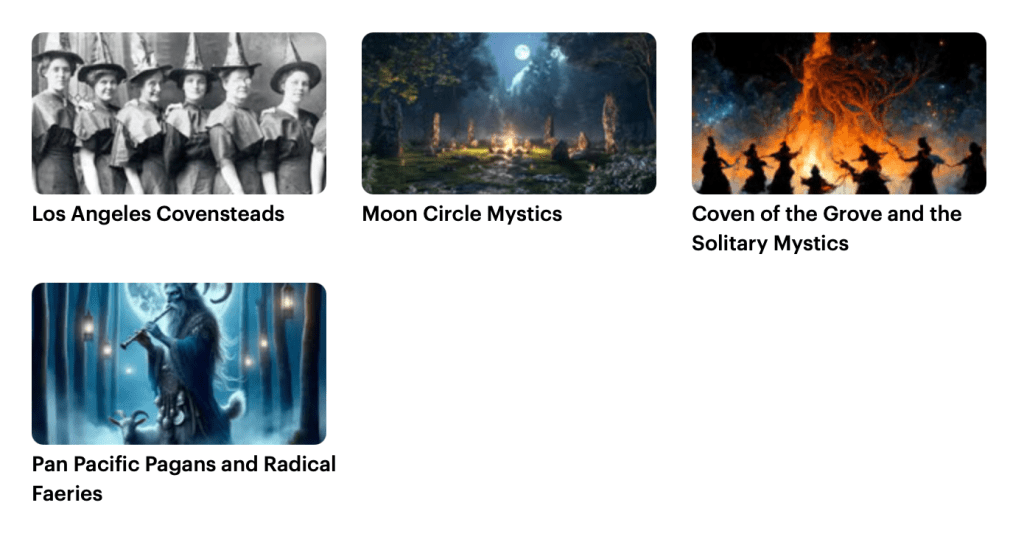
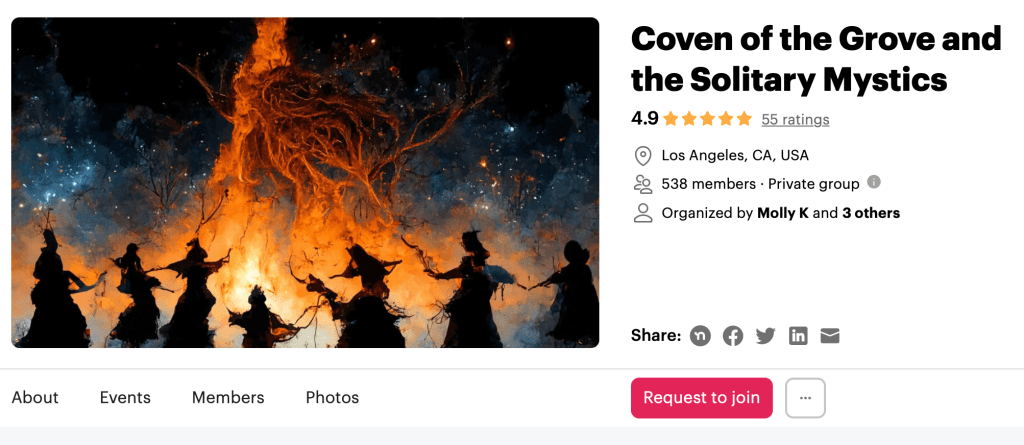
Meetup’s fundamental design as a platform for organizing local, in-person gatherings makes it appealing to groups seeking connection and engagement around specific interests, including political and pagan communities.
Here are some reasons:
1. Ease of Organization and Accessibility
- Meetup simplifies the process of establishing and managing groups, making it easier for individuals to find others who share their beliefs or interests.
- The platform provides tools for scheduling meetings, managing RSVPs, and communicating with members, facilitating efficient organization.
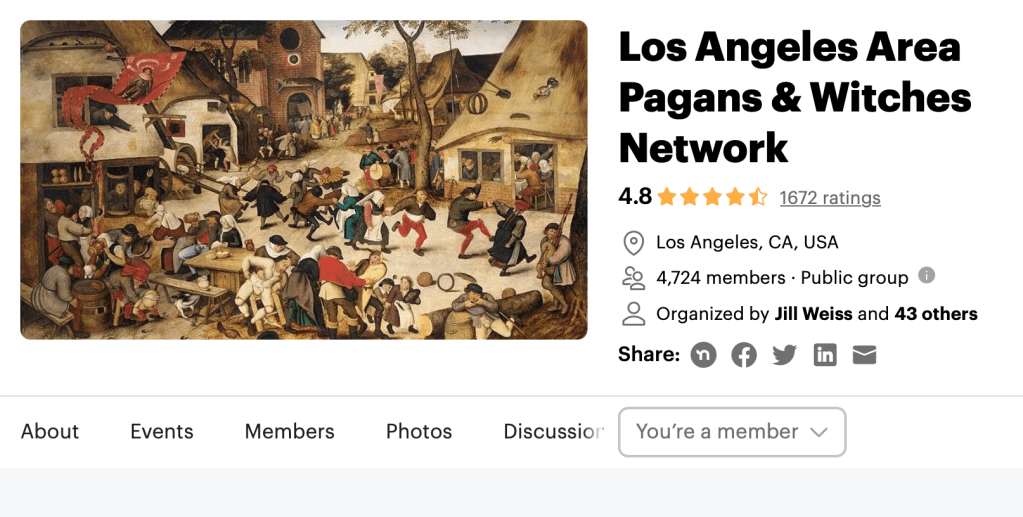
2. Building and Sustaining Community
- Both political and pagan communities often rely on strong social connections and community building for support, activism, and information sharing.
- Meetup creates a space for like-minded individuals to gather, discuss, and collectively pursue their interests, strengthening bonds and fostering a sense of belonging.
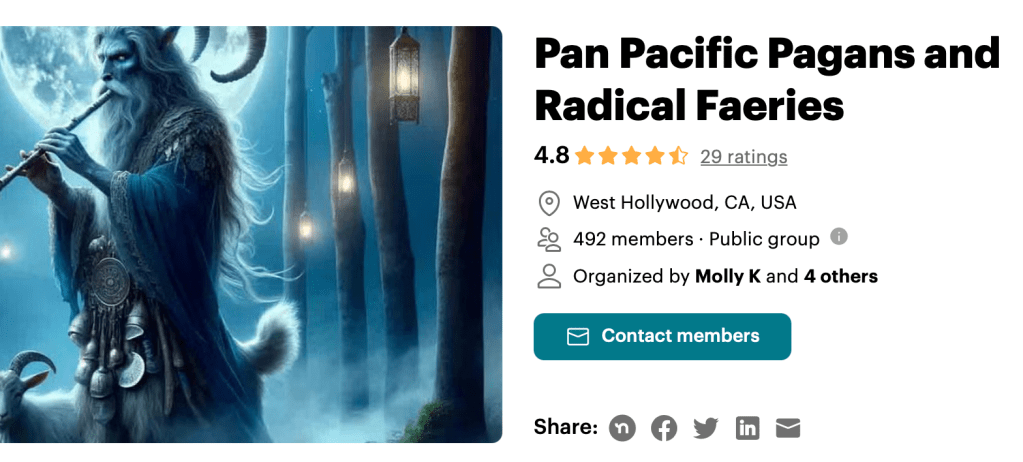
3. Niche Interests and Inclusivity
- Meetup’s open structure allows the formation of groups around a wide array of niche interests, including those that might not be easily accommodated by broader social networks.
- This inclusivity makes it particularly attractive to communities like pagans, who might find it challenging to connect with others who share their specific spiritual practices or beliefs through traditional channels.
- Similarly, political groups, whether focusing on activism, discussion, or a particular candidate or movement, can find a dedicated space for organizing and connecting with supporters.
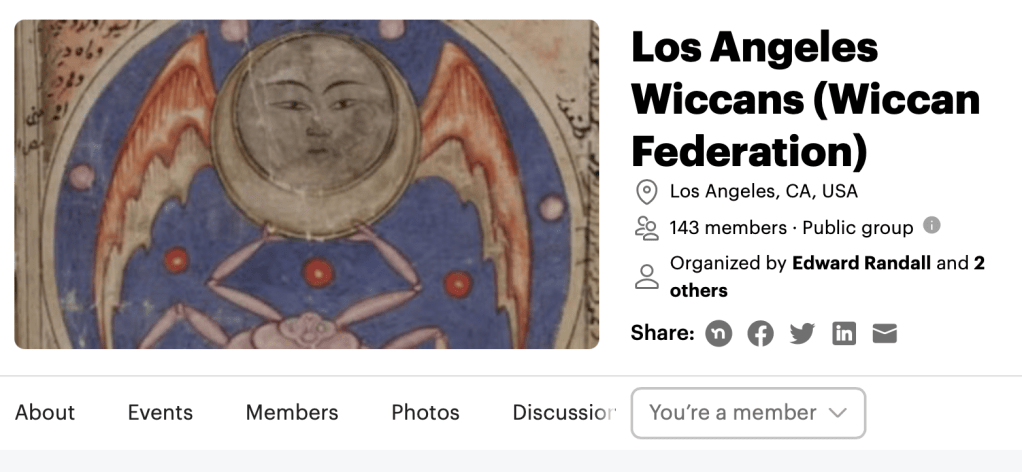
4. The Value of In-Person Connection
- Many political and pagan groups find the experience of meeting in person vital for building trust, fostering stronger relationships, and engaging in deeper discussions.
- Meetup emphasizes this importance of in-person connection, facilitating the kind of engagement that may be difficult to replicate solely online.
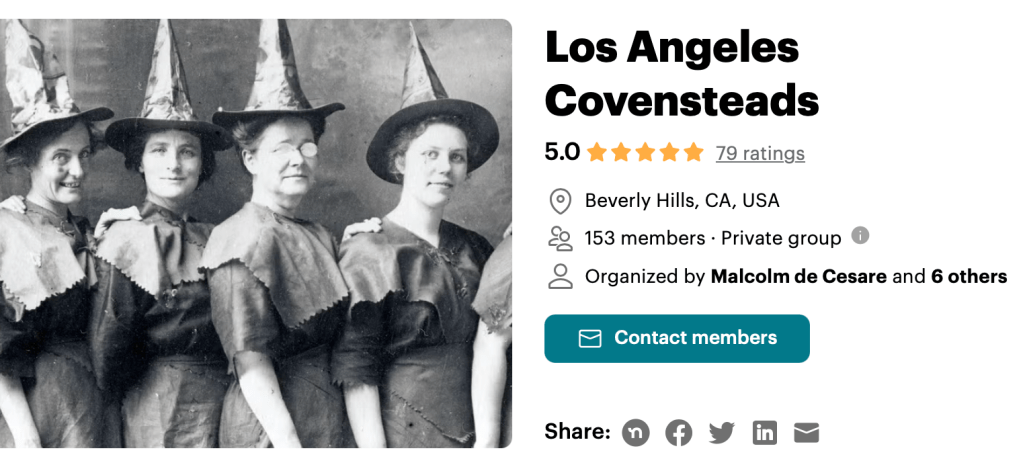
5. Historical Usage and Visibility
- Meetup’s use by political campaigns, notably Howard Dean’s campaign in 2004, demonstrated the platform’s effectiveness in mobilizing grassroots support and generating buzz around specific causes.
- The presence of a variety of political and pagan groups on the platform creates a positive feedback loop, drawing in more individuals seeking similar connections.
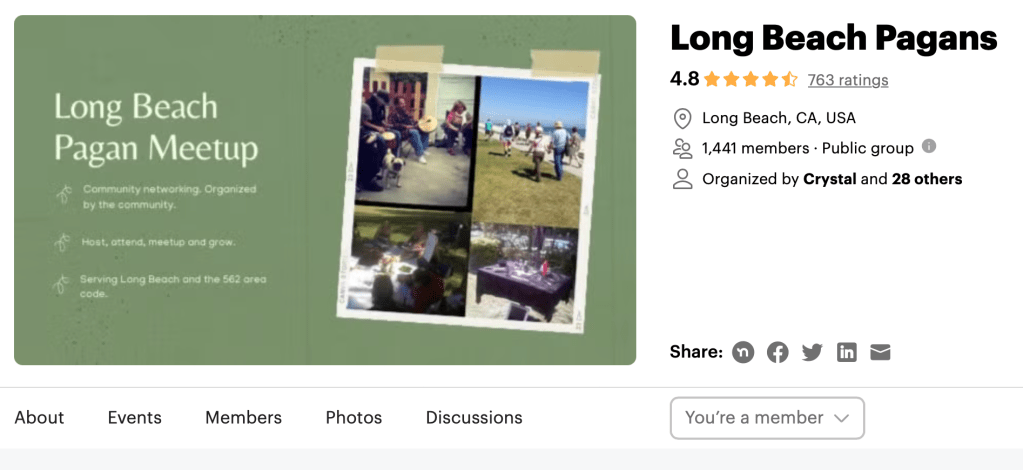
Meetup’s strength lies in its ability to empower individuals to create and participate in communities that reflect their specific passions and beliefs, fostering a sense of belonging and engagement across a diverse spectrum of interests.
Several other social media platforms are popular for organizing communities like political and pagan groups, each with its own strengths:
- Facebook Groups: Offer broad reach and are well-suited for both general and niche communities, including those with political or pagan interests.
- Discord: Known for its real-time communication features, allowing for lively discussions and interactive engagement within communities, including political and pagan communities.
- Reddit: Subreddits cater to numerous specific interests and topics, making it ideal for niche groups to connect and engage in discussions, whether on political or pagan subjects.
- Telegram: Enables communication, information sharing, and coordination of actions, proving effective for political parties and activist groups.
- Instagram: Strong for visually-driven communities and reaching younger demographics, valuable for sharing content and building relationships with voters or like-minded individuals.
- Nextdoor: Focuses on neighborhood-level engagement, making it effective for local political campaigns or communities addressing local concerns.
- X (formerly Twitter): Offers a platform for real-time discussions on trending topics and enables sharing of concise messages, valuable for political discourse and news dissemination.
- LinkedIn Groups: Useful for connecting professionals and building communities based on shared industry, career goals, or policy discussions.
- Eventbrite: While more focused on hosting events than regular meetups, Eventbrite facilitates event creation, promotion, and registration, including for communities interested in gathering for specific activities.
These platforms offer diverse tools for communication, information sharing, and community building, making them valuable resources for connecting with others around various interests and causes. The best choice often depends on the specific needs of the community and its members.
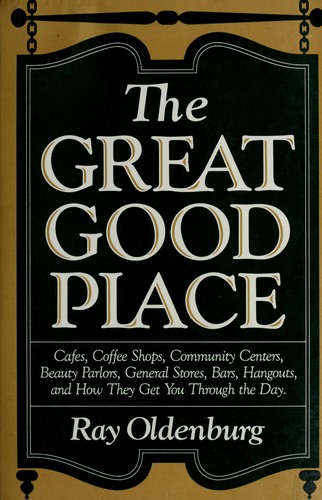
The “third place” concept, popularized by Ray Oldenburg‘s book, refers to informal public spaces like coffee shops, parks, and community centers where people can gather, socialize, and build community outside of home and work (first and second places).
The loss of these spaces is a growing concern, leading to increased isolation, decreased community engagement, and potential negative impacts on mental health.
Here’s a more detailed look:
What are “Third Places”?
- Definition:Third places are locations, both physical and virtual, where people can casually interact, build relationships, and foster a sense of belonging.
- Examples:Coffee shops, bookstores, libraries, parks, community centers, bars, salons, and even online forums can serve as third places.
- Importance:They are vital for social interaction, community building, and individual well-being, offering spaces for spontaneous conversations, shared experiences, and a sense of connection.
The Problem of Loss:
- Declining Spaces:Many traditional third places are disappearing due to factors like commercialization, zoning regulations, and changing social habits.
- Increased Isolation:The decline of third places can lead to increased social isolation and loneliness, as people lack spaces for casual interaction and community engagement.
- Mental Health Impacts:Studies suggest a correlation between the decline of third places and negative mental health outcomes, such as increased rates of depression and anxiety.
- Community Fragmentation:When people lack shared spaces to connect, communities can become fragmented and less resilient.
Factors Contributing to the Decline:
- Commercialization:Businesses prioritize profit over community, sometimes leading to the closure or transformation of spaces that once fostered social interaction.
- Zoning Regulations:Zoning laws can restrict the development of diverse public spaces, hindering the creation of new third places.
- Technology:While technology can facilitate some forms of connection, it can also lead to increased screen time and reduced face-to-face interaction, potentially replacing the need for physical third places.
- Changing Social Habits:Shifting social norms, such as increased work-from-home arrangements and online entertainment, may reduce the need for or interest in traditional third places.
The Importance of Reclaiming Third Places:
- Rebuilding Community: Revitalizing or creating new third places can help rebuild social connections and foster a stronger sense of community.
- Promoting Mental Well-being: Access to vibrant third places can positively impact mental health by reducing loneliness and providing opportunities for social support.
- Strengthening Democracy: Third places can serve as venues for civic engagement and community dialogue, contributing to a more vibrant and participatory democracy.
In conclusion, the loss of third places is a serious issue with far-reaching consequences for individuals and communities. Recognizing the importance of these spaces and actively working to preserve and create them is crucial for fostering stronger, healthier, and more connected communities.
 The Grove Coven