
A family’s history intertwined with the construction of iconic skyscrapers like the Empire State Building, the World Trade Center, and structures across the Hudson River in New Jersey would carry immense personal and cultural significance, creating a unique and deeply meaningful connection to the region’s enduring architectural landscape.
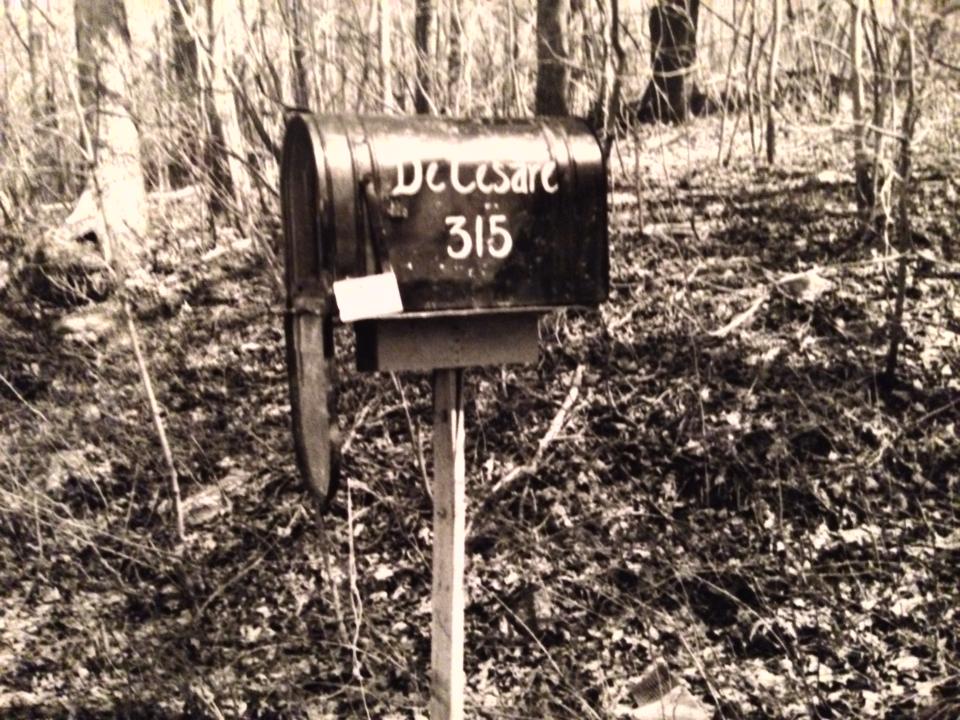
- Generational Legacy and Pride: The family would inherit a powerful sense of legacy and immense pride, witnessing their ancestors’ physical contributions shaping one of the world’s most recognizable skylines. This legacy provides a tangible link to the family’s past, inspiring future generations and fostering a strong sense of identity, according to American Monument Company.
- Sense of Belonging and Ownership: Having played a direct role in creating these landmarks instills a sense of belonging and ownership within the family. They can literally point to these buildings and say, “My great-grandfather helped build that,” reinforcing their connection to the city and its history. This connection can lead to a deeper understanding and appreciation of their heritage, says American Monument Company.
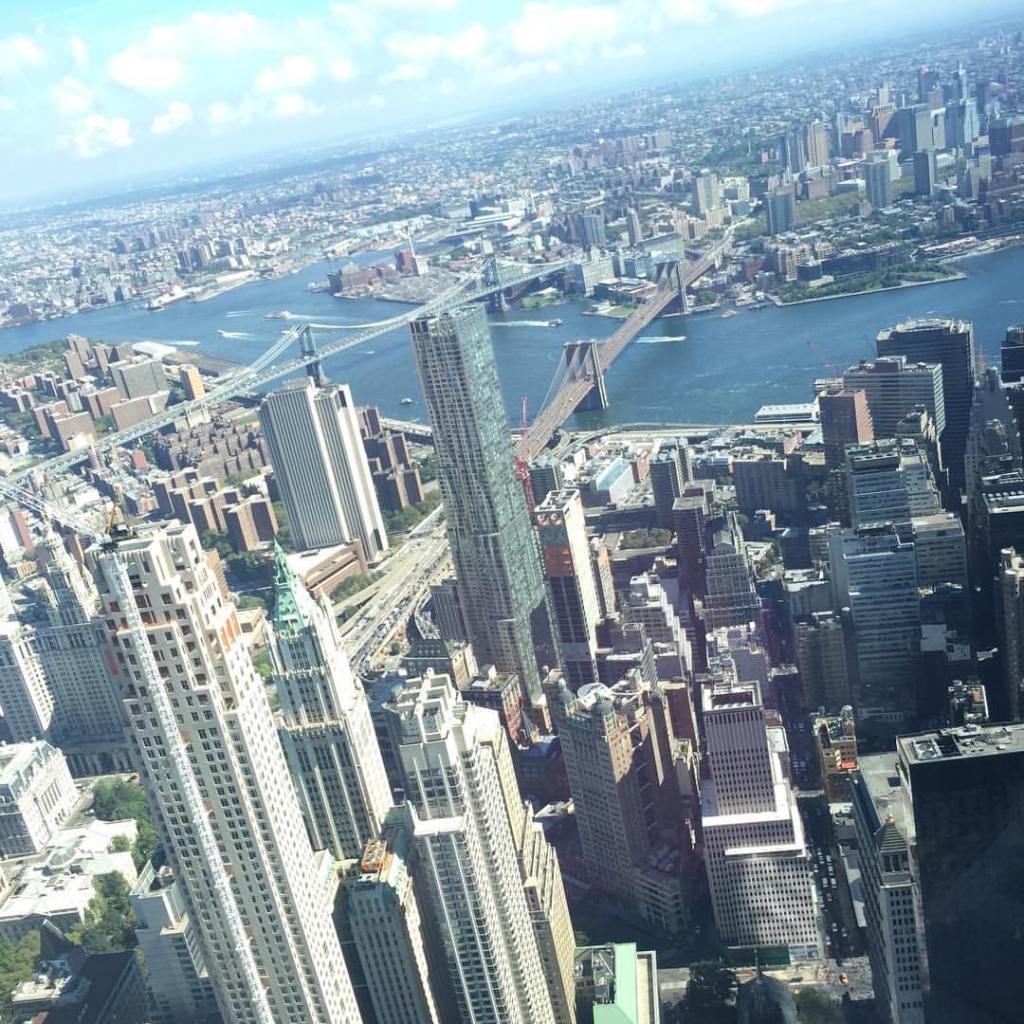
- Sharing a Piece of History: The family’s story becomes woven into the fabric of the city’s narrative, participating in a monumental undertaking that transcends individual lives, notes Shiloh in the City. The family history would serve as a powerful reminder of the determination and ingenuity it took to build these structures.
- Storytelling and Intergenerational Bonds: The family’s connection to these buildings creates a powerful and tangible narrative that can be passed down through generations. Sharing these stories fosters intergenerational connections, strengthening family bonds and creating a shared understanding of their heritage, says Taylor & Francis Online.
- Inspiration and Resilience: The family’s contributions demonstrate resilience and hard work. The building of these skyscrapers, especially the rebuilding of the World Trade Center after 9/11, embodies overcoming adversity. This legacy serves as a powerful source of inspiration for future generations facing challenges and pursuing their own endeavors.
- Celebrating Immigrant Journeys: Many of those who built New York City’s skyscrapers were immigrants, and a family’s involvement in these iconic projects highlights the profound contributions of immigrant communities in shaping the city’s architectural landscape and the American Dream.
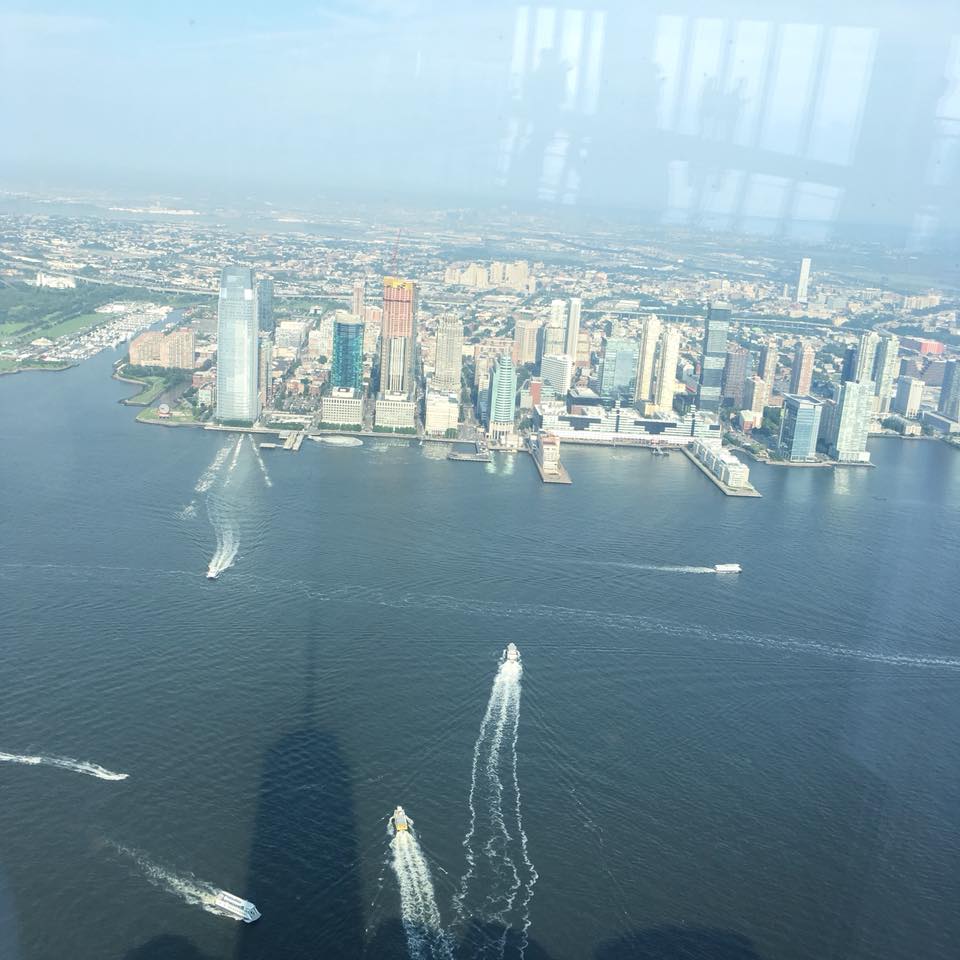
- A “Living” Memorial: The buildings stand as a living testament to the family’s contributions. They are not merely structures, but memorials that evoke a deeper connection to the past and remind future generations of their family’s enduring legacy.
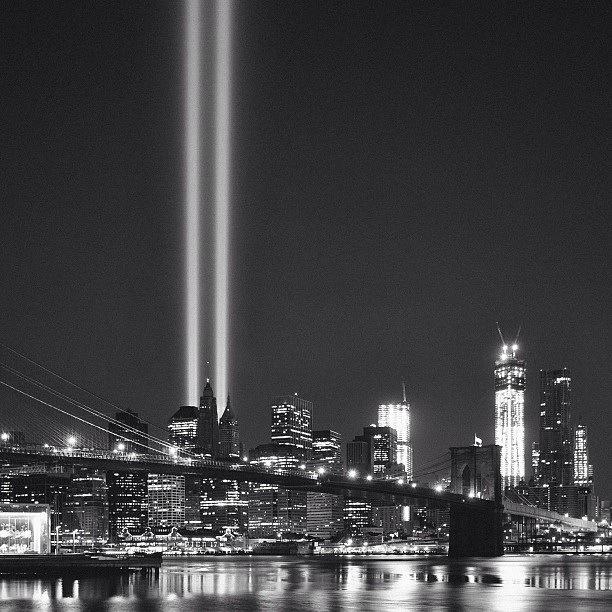
This intergenerational narrative transforms the skyscrapers from mere buildings into symbols of family heritage, pride, and the enduring human spirit that builds and rebuilds, leaving a lasting mark on the physical and cultural landscape of the region.
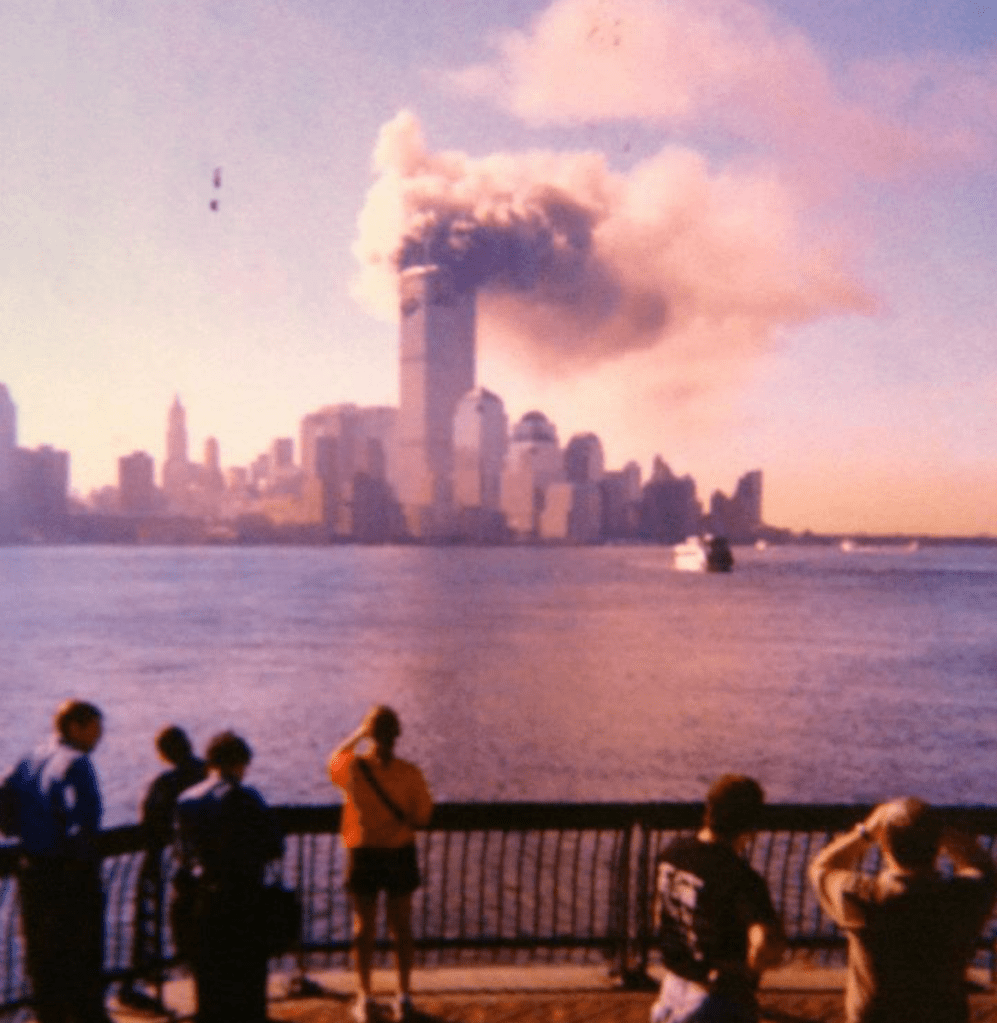
Photograph taken by Scott De Cesare, while at work across the Hudson River.
The September 11, 2001 terrorist attacks on the World Trade Center had a profound and lasting impact on the residents of New York City and commuters from New Jersey, affecting both their individual psychological well-being and the broader cultural landscape of the region.
Psychological Impact:
- Post-Traumatic Stress Disorder (PTSD): PTSD symptoms were the most common and persistent mental health effect. Up to 20% of adults directly exposed to the disaster or injured in the attack experienced PTSD symptoms years later, significantly higher than the general population. Even individuals not directly affected reported probable PTSD symptoms. Risk factors for PTSD included intense dust cloud exposure, witnessing horror, and knowing someone who was killed. Passersby, in particular, showed high rates of probable PTSD.
- Depression: Depression was also a significant concern, with 15% of enrollees in the World Trade Center Health Registry reporting depression ten years after the attacks. Depression often co-occurred with PTSD, magnifying the impact of the disaster. Risk factors for depression included the loss of a loved one or a job due to the attacks.
- Survivor’s Guilt: Many survivors experienced survivor’s guilt, a feeling of remorse or regret for having survived a traumatic event that others did not. This can lead to persistent guilt, depression, and other symptoms of PTSD.
- Anxiety and Panic Attacks: Generalized anxiety disorder and panic attacks were also common mental health issues following 9/11. Individuals with loved ones in danger or involved in rescue efforts were at higher risk for anxiety disorders.
- Substance Abuse: Increased alcohol and substance use were linked to the psychological trauma of 9/11, as individuals sometimes used these as coping mechanisms, NPR.
- Resilience: Despite the widespread trauma, a significant number of New Yorkers demonstrated resilience in the aftermath of the attacks, exhibiting an ability to recover from the stress and trauma. Social support from friends, neighbors, and community groups was a crucial factor in helping individuals cope.
Cultural Impact:
- Shifts in American Identity and Security: The attacks led to a national conversation about American identity, patriotism, and security. There was a renewed focus on surveillance and a shift in how individuals perceived public spaces and travel, UVA Today.
- Heightened Sense of Vulnerability: The attacks ended a sense of American invincibility and freedom of movement, leading to a more vigilant and easily startled national psyche, Columbia University Irving Medical Center.
- Increased Focus on Community and Service: Amidst the grief and horror, many Americans felt a stronger sense of duty to their communities and country, leading to increased volunteering and community engagement, U.S. Department of Defense (.gov).
- Economic Impact and Rebuilding: The attacks caused an economic downturn in New York City, particularly in Lower Manhattan. The subsequent rebuilding efforts, including the World Trade Center site and memorial, symbolized the city’s resilience and determination to move forward, History.com. The memorial and museum became crucial spaces for remembrance and education.
- Changes in Daily Life: The attacks led to increased security measures, particularly in airports and public spaces, and heightened awareness of terrorism threats. For many, riding the subway or navigating certain areas of the city was accompanied by new anxieties and fears, NBC News.
Overall, the 9/11 attacks left an enduring mark on the lives of New Yorkers and New Jersey commuters, shaping their psychological well-being, fostering a renewed sense of community and resilience, and permanently altering the cultural and political landscape of the region and the nation.

Malcolm De Cesare has a personal connection to the 9/11 Memorial at the World Trade Center site. He was photographed making a rubbing of the name of Neal David Levin, his domestic partner’s cousin, on the first day the memorial plaza was open to the public.
Neil David Levin (1954-2001)
- Executive Director of the Port Authority of New York and New Jersey: He held this position at the time of the September 11, 2001 terrorist attacks, where he died.
- Career: Levin served in various significant roles, including chairman of the Federal Home Loan Bank Board of New York for seven years and as a vice president at Goldman Sachs & Company, where he advised federal agencies like Fannie Mae and Freddie Mac. He was also the New York State Superintendent of Banks and Superintendent of the State Insurance Department, and previously served as chief counsel to the Senate Banking Committee’s Subcommittee on Securities.
- Education: He was a graduate of Lafayette College and held an M.B.A. from Long Island University and a law degree from Hofstra University.
- Legacy: He is remembered for his compassion, and Lafayette College established the Neil D. Levin ’76 Public Service Endowment Fund in his honor.
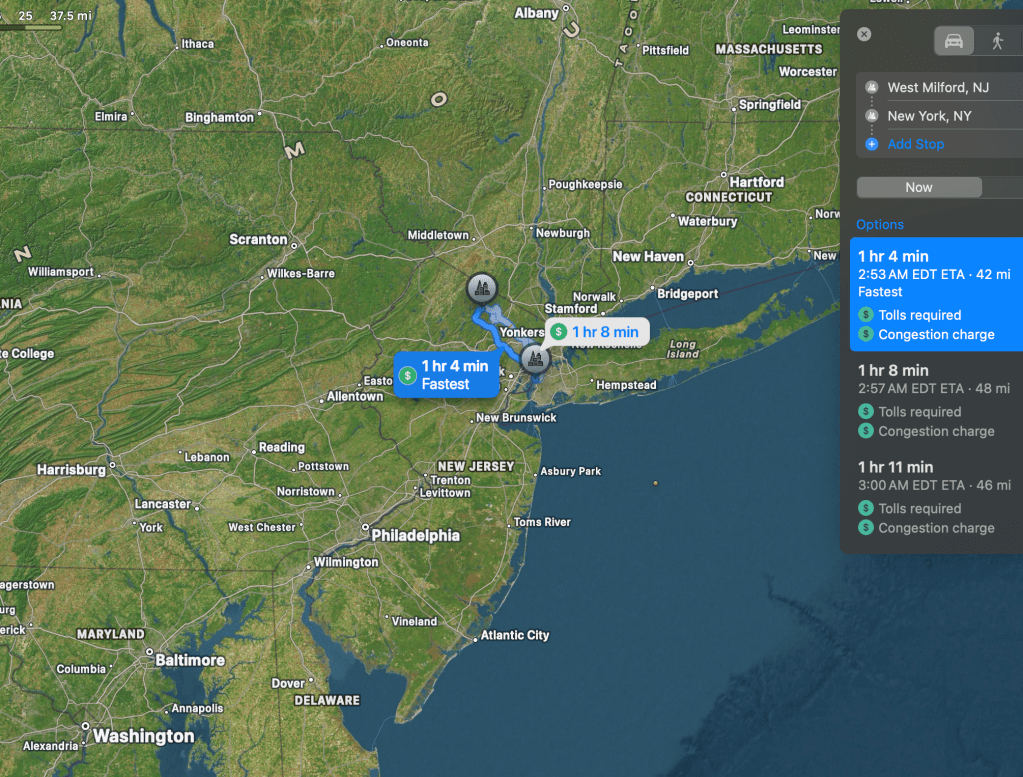
Jeremy Glick was a resident of West Milford, New Jersey, and is remembered as one of the heroes of United Airlines Flight 93 on September 11, 2001. Flight 93 was one of four planes hijacked by terrorists that day, but it was the only one that didn’t reach its intended target.
1. Flight 93 and the Passenger Uprising:
- Glick, a sales executive, was on a business trip aboard Flight 93 on September 11, 2001. The terrorists hijacked the plane and the passengers and crew learned about the other attacks through phone calls.
- Glick and other passengers decided to try and regain control of the aircraft.
- Glick called his wife, Lyz, and informed her of the situation and their plan. She remained on the phone for a significant time.
- During the struggle, the hijackers crashed the plane into a field in Pennsylvania, killing everyone on board. The intended target is believed to have been the White House or the U.S. Capitol Building.
- Glick’s actions were consistent with his personality as a “take-charge guy”.
2. A Talented Athlete and Devoted Family Man
- Born on September 3, 1970, Glick was a skilled athlete, including being a collegiate Judo champion and a black belt.
- He was married to his high school sweetheart, Lyzabeth, and they had a daughter named Emerson. Emerson was an infant when her father died.
- In 2017, Emerson gave a TED Talk about coping with tragedy.
3. Legacy and Memorials:
- Glick is honored with memorials such as the Flight 93 National Memorial in Pennsylvania and the National 9/11 Memorial in New York.
- He received posthumous awards, including the Medal for Heroism and the Arthur Ashe Courage Award. He was also awarded an honorary 10th-degree black belt by the United States Judo Association.
- West Milford has a hiking trail and vista named after him – the Jeremy Glick Trail and Jeremy Glick’s Overlooks.
- Glick’s story has been depicted in television and film.
Jeremy Glick is remembered for his bravery on Flight 93 and his life as a dedicated family man and athlete.
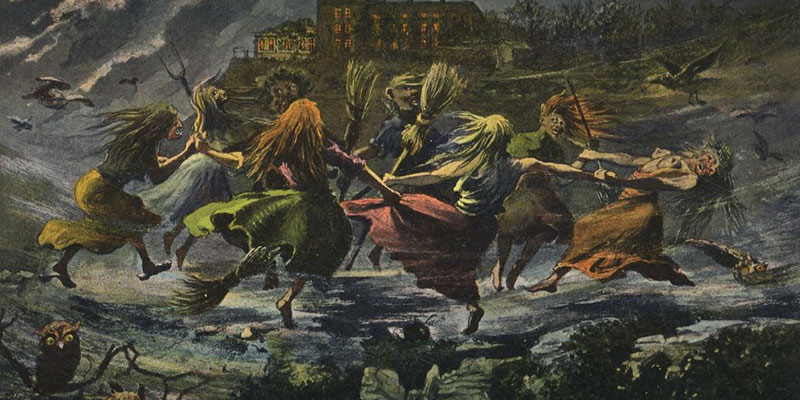
A diversity of witchcraft traditions exists in New York City, shaped by its immigrant history, artistic communities, and modern occultism
. Instead of one specific type, NYC is home to many different kinds of witches.
Historical traditions
Historical forms of witchcraft in New York City are influenced by the city’s early immigrant populations.
- Italian Streghe: Early Italian immigrants brought the tradition of the strega, or witch, to neighborhoods like Italian Harlem and Lower Manhattan. A strega could be a folk healer, herbalist, or spell-caster.
- Dutch folk magic: During the colonial period, the strong Dutch influence in New Amsterdam meant the justice system largely rejected the kind of mass witch-hunt hysteria seen in New England. The Dutch treated witchcraft accusations with skepticism, and some of their folk magic practices and beliefs were integrated into the city’s magical history.
- 19th-century fortune tellers: During the Victorian era, the city saw a rise in working-class fortune tellers and mystics, particularly in the Lower East Side. Many of these practitioners were immigrants who relied on astrology, spiritual readings, and tarot to earn a living.
Contemporary and initiatory traditions
In the 20th century, New York City became a center for the growth of modern occultism and Wicca.
- New York WICA: This is a specific tradition of initiatory Wicca founded by Edmund Buczynski in 1973. It was formed by adapting the Gardnerian tradition and is known for being inclusive, celebrating different expressions of love, and welcoming LGBTQ+ individuals. The mother coven, formerly known as the Brooklyn Heights Coven, continues to operate in the city.
- Wicca and Neopaganism: Many people who identify as witches in New York City today follow Wiccan or Neopagan practices. The city has various covens and groups that celebrate holidays like Samhain, honor specific deities, and follow the Wheel of the Year.
Eclectic and artistic expressions
In a city known for its diverse and artistic subcultures, many witches adopt a more personal or eclectic approach.
- Eclectic witches: These practitioners draw from various traditions to create their own unique path. This type of witchcraft is prevalent in New York, where practitioners can find resources from different cultures and spiritualities.
- Brujas: Some witches, often of color, are reclaiming the term bruja (Spanish for witch) to represent a socio-psychological resistance to oppressive structures. They blend ancestral medicine with intellectual and magical practices.
- Artistic and magical blending: Some artists, musicians, and performers in the city incorporate witchcraft and magical themes into their work. Events and performances, such as burlesque shows with “seductive slashers and mischievous witches,” combine creative expression with occult themes.
The allure of the city
Practitioners report that the unique energy of New York City itself influences their practice, with some believing the city is built on energy-conducting carnelian quartz. The metropolis, as a hub for immigrants, has always been a meeting point for different folk magic traditions from around the world.
 The Grove Coven