

A circle is a broader, less formal term for a group of practitioners who meet for rituals, discussions, or learning. It contrasts with the rigid structure of a traditional coven.
Key characteristics
- Structure: Circles typically have a loose structure with no official hierarchy. Leadership may rotate, or decisions may be made by consensus.
- Membership: Circles are often open to beginners and welcome a wide range of experience levels and paths. Attendance is generally not mandatory.
- Practice: While they may perform rituals, circles also serve as study and discussion groups. They offer a space for like-minded people to socialize and grow together.
- Flexibility: This format is popular among those who prefer inclusivity over the exclusive or hierarchical nature of traditional covens.

Ocala is a central Florida city known for its historic downtown, equestrian culture, and surrounding natural springs and forests.
The city has a rich and varied history that includes Indigenous peoples, the Seminole Wars, and a fire that led to the city’s reconstruction in brick.
Origins and early history
- Indigenous settlements: Before European contact, the area was home to the Timucua people. Spanish explorer Hernando de Soto documented a prominent Timucuan village called “Ocali” in 1539, from which the city’s name is derived.
- Fort King: In 1827, the U.S. Army established Fort King to create a buffer between Seminole tribes and white settlers. This military post became a key site during the Second Seminole War (1835–1842), and the area became the county seat in 1846.
- Post-Seminole Wars growth: After the Seminole Wars ended, the Armed Occupation Act of 1842 gave free land to settlers who cleared five acres, spurring agricultural development. By 1858, Ocala was a busy social and business center, cultivating crops such as cotton, citrus, and sugarcane.
The Civil War and Reconstruction
- Impact of the war: The Civil War devastated Ocala’s economy, and its population plummeted.
- African American influence: Following the war, Ocala’s African American community grew and flourished, with many residents founding successful businesses and serving in the state legislature. West Ocala became a hub for Black-owned enterprises and institutions, including the first African American-chartered corporation in Florida.
The “Brick City” transformation
- Downtown fire: On Thanksgiving Day 1883, a massive fire destroyed much of downtown Ocala, which was largely made of wood.
- Rebuilding in brick: In rebuilding, the city required construction using fire-resistant materials like brick, granite, and steel. This gave Ocala the enduring nickname “The Brick City”.
- “Ocala Demands”: In 1890, the national convention of the Farmers’ Alliance was held in Ocala, resulting in the “Ocala Demands,” a platform that influenced the Populist Party.

The rise of the “Horse Capital”
- Equestrian industry: The citrus industry moved south after freezes in the 1890s, but the area’s calcium-rich soil, fed by limestone in the aquifer, proved ideal for raising horses. Carl G. Rose established the first thoroughbred horse farm in 1943, and the industry exploded.
- Famous thoroughbreds: Ocala rose to international prominence in 1956 when its Florida-bred horse, Needles, won the Kentucky Derby. Another locally trained horse, Affirmed, won the Triple Crown in 1978.
- Continuing legacy: Today, Ocala and Marion County are officially designated the “Horse Capital of the World,” a title backed by a large concentration of thoroughbred farms and the World Equestrian Center.
Modern Ocala
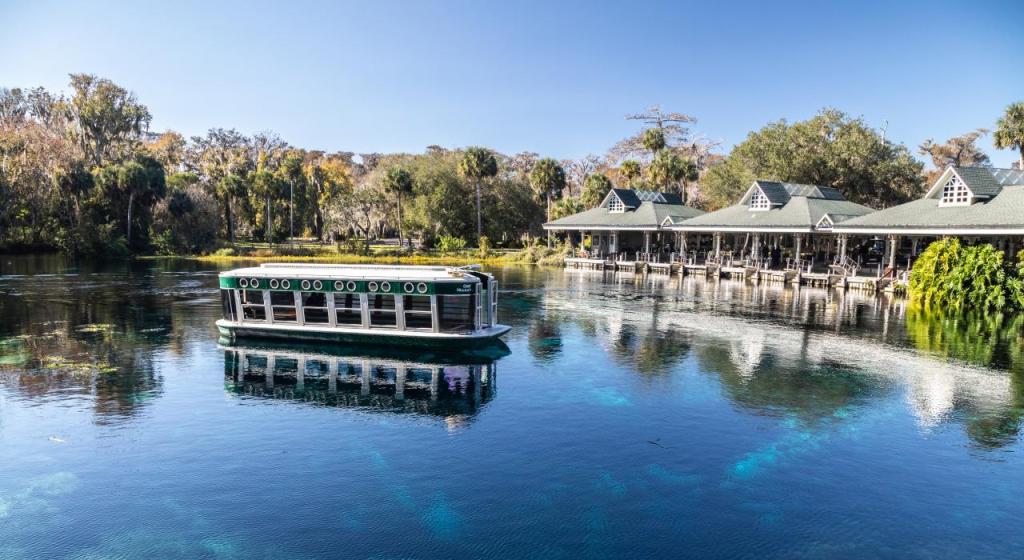
- Silver Springs: A historic tourist attraction featuring glass-bottom boat tours, Silver Springs has been a major draw for over a century and was a filming location for classic films like Creature from the Black Lagoon. During segregation, the nearby Paradise Park served as a separate attraction for Black visitors.
- Population boom: Like much of Florida, Ocala experienced rapid growth in the late 20th century, spurred by the construction of Interstate 75 and the emergence of central Florida tourism.
- Historic preservation: Much of Ocala’s downtown area is preserved as a historic district, with local events and tours highlighting the city’s architecture and legacy.
While specific historical accounts of witchcraft trials in Ocala are not documented, the area and broader state of Florida have a rich history involving folk magic, paganism, and supernatural folklore.
These traditions and stories contribute to the area’s supernatural history, distinct from the witch hunts of the colonial Northeast.
Key aspects of the region’s history related to witchcraft and the occult include:
- Native American folk magic: Long before European settlement, indigenous Floridians, such as the Timucuan people, practiced their own forms of shamanism and folk magic. The “Black Drink” ceremony, for instance, used a caffeinated beverage from yaupon holly to induce altered states for ritualistic purposes.
- Modern paganism in Ocala: Ocala is a known location for modern pagan gatherings. The Pagan Gathering Festival, for example, features rituals and ceremonies drawing from various traditions, including Cherokee rituals honoring the Corn Woman, Selu.
- Witchcraft and business: In the modern era, some residents of the Ocala area and central Florida openly practice witchcraft, often incorporating it into their daily lives and businesses. For example, a resident of nearby Gainesville gained attention for ritually charging her homemade soaps with moonlight.
- Ocala National Forest folklore: The Ocala National Forest, near the city, is a source of local lore concerning monsters, spirits, and dark energy. Folklorist Christopher Balzano has documented tales of apparitions and strange occurrences in the woods, adding to the region’s supernatural history.
- Historical Florida witchcraft trials: While not in Ocala, the Florida Supreme Court library holds historical records of a 1616 witchcraft trial and execution in colonial Florida involving a woman named Mary Smith. The existence of this case indicates that the broader phenomenon of witchcraft accusations did occur in the territory.
In summary, instead of colonial-era witch trials, the history of witchcraft in the Ocala area is characterized by Native American traditions, folklore from the Ocala National Forest, and modern pagan practices.

In oppressive environments, community is vital because it provides a foundation for collective resistance, mutual aid, and psychological well-being. It counters the isolation, powerlessness, and invalidation that oppressive systems inflict upon individuals.
Resistance and collective power
- Empowerment: Oppressive systems aim to make marginalized people feel powerless and alone. Community builds collective agency, demonstrating that people are more powerful together and can work to change the conditions of their lives.
- Systemic change: Communities can organize to drive systemic change rather than simply coping with the consequences of oppression. Long-term organizing, protests, boycotts, and civil resistance movements led by affected communities are some of the most effective ways to challenge an unjust system.
- A historical resource: A community’s history of surviving and fighting oppression can serve as a powerful resource and a source of strength for its current members. This historical collective resilience can motivate present-day resistance and mobilization for change.
Psychological well-being
- Emotional resilience: Oppression causes ongoing stress and trauma. In a community, individuals find a network of support from people who share and validate their experiences, providing a buffer against these psychological stressors. A sense of belonging within a healthy community is crucial for psychological well-being.
- Countering isolation: Oppressive systems often isolate individuals to make them easier to control. Community creates a sense of belonging and connectedness, which counteracts feelings of loneliness, isolation, and despair. These social ties have also been shown to improve physical health and lower stress and anxiety.
- Validation of reality: When dominant societal narratives deny or minimize the reality of oppression, being in a community with shared experiences provides critical validation. The support and understanding from those with similar histories affirm one’s own experiences, reducing the psychological harm of gaslighting and invalidation.
- Identity and purpose: A strong community can help individuals develop or reclaim their sense of identity by connecting them to shared values, history, and culture. It also provides a shared sense of purpose, which can combat nihilism and feelings of helplessness.
Mutual aid and resource access
- Practical support: When a social safety net is inadequate or discriminatory, communities create their own support systems to help one another. This can take the form of providing emotional support, practical assistance, shared resources, or childcare.
- Resource navigation: Oppressed individuals often face systemic barriers to accessing resources. A community network provides crucial informational support and facilitates access to services like legal aid, healthcare, and housing that might otherwise be out of reach.
- Filling service gaps: In situations where mainstream services fail marginalized people, community-based organizations and support networks fill the gap by providing culturally sensitive and holistic support.

A tarot card parlor is a place where professional tarot card readers provide guidance and insight through tarot card readings. It is a type of metaphysical or spiritual business that may offer private, one-on-one sessions, group readings, or readings for events.
These parlors may be stand-alone shops or a service offered within a larger spiritual store that also sells related items like crystals, candles, books, and other tools for divination and spiritual practices.
What happens at a tarot card parlor
- Tarot card reading: The core service is a reading, in which the reader shuffles a traditional 78-card deck and lays out a “spread”. As they interpret the symbolism and story of the cards, they provide insights into your past, present, and potential future path.
- Intuitive guidance: The reader acts as a channel, using their intuition to interpret the cards in a way that is relevant to your specific question or situation. A good reading is typically interactive and focuses on self-empowerment and clarifying your inner truths, rather than merely “telling your fortune”.
- Other spiritual services: Many parlors offer additional services alongside tarot, such as astrology, psychic readings, reiki, and chakra healing.
- Themed events: Themed parties, such as bachelorette parties, birthdays, or corporate gatherings, are a popular way to experience readings in a group setting.

Women’s circles provide a safe, non-judgmental space for women to connect, share their experiences, and receive support from a community of peers. Rooted in ancient traditions, these gatherings can lead to profound personal growth, emotional healing, and enhanced self-awareness.
Emotional and mental well-being
- Reduces stress: Research shows that women are more likely to respond to stress by “tending and befriending” rather than “fight or flight”. Women’s circles facilitate this innate response, releasing oxytocin—the “love hormone”—to reduce stress and anxiety and increase feelings of connection and safety.
- Combats loneliness: In an increasingly fast-paced and isolated society, circles help women feel less alone by creating a sense of community and belonging. By sharing stories, members realize that many of their fears, struggles, and triumphs are universal.
- Fosters emotional healing: Circles provide an environment to process and release emotions, heal from past wounds, and let go of limiting beliefs. The supportive presence of other women can make the healing process feel safer and more manageable.
- Cultivates self-worth and intuition: The practice of “holding space”—listening without judgment or interruption—helps participants feel seen, heard, and validated. This strengthens self-love, self-esteem, and the ability to trust one’s own inner wisdom and intuition.
Community and connection
- Builds authentic relationships: Women’s circles move beyond surface-level interactions by fostering deep, authentic connections built on vulnerability and trust. The group agrees to confidentiality, creating a safe container for honest sharing.
- Creates a supportive “sisterhood”: By celebrating and empowering one another, members form a strong, supportive bond of sisterhood. This collective encouragement can inspire women to pursue new goals and overcome personal hurdles.
- Facilitates intergenerational wisdom: Some circles bring together women of all ages, allowing elders to pass on wisdom and younger members to provide fresh perspectives.
Personal growth and empowerment
- Encourages self-discovery: Through intentional sharing and listening, women can gain clarity on their values, desires, and life purpose. The circle acts as a “mirror,” reflecting back parts of yourself you may have forgotten or been suppressing.
- Honors the feminine: Many circles celebrate the divine feminine and ancient traditions of women gathering. This provides a space for participants to reconnect with their intuition, imagination, and creativity in a world that often prioritizes masculine ideals.
- Provides gentle accountability: Rather than creating pressure, the group provides gentle support for members to explore their goals and make positive changes in their lives.
- Inspires creative expression: Some women’s circles include activities like creative writing, art, or movement. This helps members tap into a deeper well of wisdom and express their soul’s passion.

Sanctuary spaces are necessary in Ocala, Florida, to provide safety and support for the LGBTQIA+ community, especially in the face of widespread anti-LGBTQ+ legislation and a hostile sociopolitical climate in the state. These spaces offer a crucial refuge from discrimination and potential harm.
Worsening legal and social environment
- Anti-LGBTQ+ legislation: Florida has passed numerous laws restricting the rights of LGBTQIA+ people, including measures that target transgender individuals and limit the discussion of sexual orientation and gender identity in schools. These laws create a hostile environment, signaling to LGBTQIA+ families and students that they are not welcome.
- Discrimination and erasure: Laws like the “Parental Rights in Education” bill (dubbed “Don’t Say Gay”) can force school staff to hide family photos and censor graduation speeches, leading to the deliberate erasure of LGBTQIA+ people. In a 2023 survey, 80% of transgender and nonbinary Floridians reported wanting to move or having plans to do so.
- Threat of violence: The anti-LGBTQ+ political rhetoric has led to real-world consequences, including protests and threats of violence against events hosted by the LGBTQIA+ community. In 2024, Florida was ranked as one of the worst states for LGBTQ+ safety due to its anti-equality laws and low hate crime reporting rates.
The purpose of sanctuary spaces
Sanctuary spaces directly address the threats created by this environment by providing a secure and affirming community. They serve several critical functions:
- Safety and protection: For LGBTQIA+ individuals who fear discrimination or harassment in public spaces, sanctuary spaces offer a place where they are safe from harm and can be their authentic selves. This is especially vital given the documented rise in hate crimes targeting the community.
- Mental health support: Given the disproportionately high rate of suicide among LGBTQIA+ people, particularly youth, safe spaces can be life-saving resources. They provide solace and connection for isolated individuals and can help counter the negative mental health effects caused by stigma and discrimination.
- Empowerment and growth: Beyond just protection, these spaces are “conduits for growth, empowerment, and empathy”. They provide opportunities for constructive dialogue and learning, allowing LGBTQIA+ people to thrive without fear.
- Access to resources: Sanctuary spaces can connect people to vital resources, such as culturally sensitive healthcare, legal assistance, and support groups. For example, statewide organizations like Equality Florida work with local partners to provide non-discrimination protections.
- Community building: In an environment where LGBTQIA+ people feel targeted, sanctuary spaces create a sense of belonging with like-minded individuals. This community can provide strength and a support network for those fighting against harmful legislation.
Creating a coven offers women and LGBTQ+ people in conservative places like Florida a framework for building community, exercising spiritual freedom, and resisting oppressive patriarchal norms. By reclaiming the “witch” identity, historically used to persecute outsiders, these groups can find empowerment and a safe space outside of mainstream society.
Spiritual freedom and empowerment
- Alternative spirituality: Many women and LGBTQ+ individuals feel rejected by or subordinate within traditional, male-dominated religions. Modern Paganism and witchcraft offer alternative spiritual paths that celebrate the divine feminine and embrace personal autonomy. For transgender and nonbinary people, covens provide a supportive religious community that affirms gender identity and can create rituals to celebrate transitions.
- Reclaiming agency: Witchcraft practices allow individuals to explore their personal power and agency through spells, meditation, and rituals. In conservative environments where women and queer people are often disempowered, this can be a crucial way to process emotions, build self-confidence, and feel a sense of control over their lives.
- Theology of acceptance: Unlike some institutional religions, the underlying theology of many Pagan traditions encourages openness and acceptance toward LGBTQ+ people. There are no religious “rules” in many covens that condemn certain sexualities or gender identities, creating a judgment-free space.
Community and safe spaces
- A “queer church”: Covens can function as a “queer church,” providing sanctuary for those pushed to the fringes of society. In a conservative state like Florida, where LGBTQ+ people may face hostility or discrimination, a coven offers a safe haven to be authentic and find solidarity with kindred spirits.
- Sisterhood and shared support: The communal aspect of a coven fosters a strong sense of community and support. Members share their blessings and their pain, helping each other heal and navigate the challenges of life in a hostile political climate.
- Inclusive space: Modern covens are increasingly inclusive of all identities, providing a welcoming environment for women, BIPOC, and LGBTQ+ people. This contrasts with the exclusivity often felt in traditional religious spaces.
Resistance and collective action
- A symbol of resistance: Historically, the witch has been a figure of defiance against patriarchal authority. For modern witches, this identity allows them to actively resist oppressive systems and reclaim suppressed identities.
- Shared power and autonomy: Unlike traditional, hierarchical organizations, covens often use a decentralized or horizontal power structure. This “power with,” rather than “power over,” dynamic provides a tangible model for self-governance and cooperation that directly challenges authoritarian tendencies.
- Political activism: Many practitioners of witchcraft align with social justice, environmental preservation, and equality. This can lead to covens mobilizing for political action, giving women and LGBTQ+ members a collective platform to advocate for their rights. Rituals can also be used as a form of “collective defiance” against mainstream expectations.
 The Grove Coven