

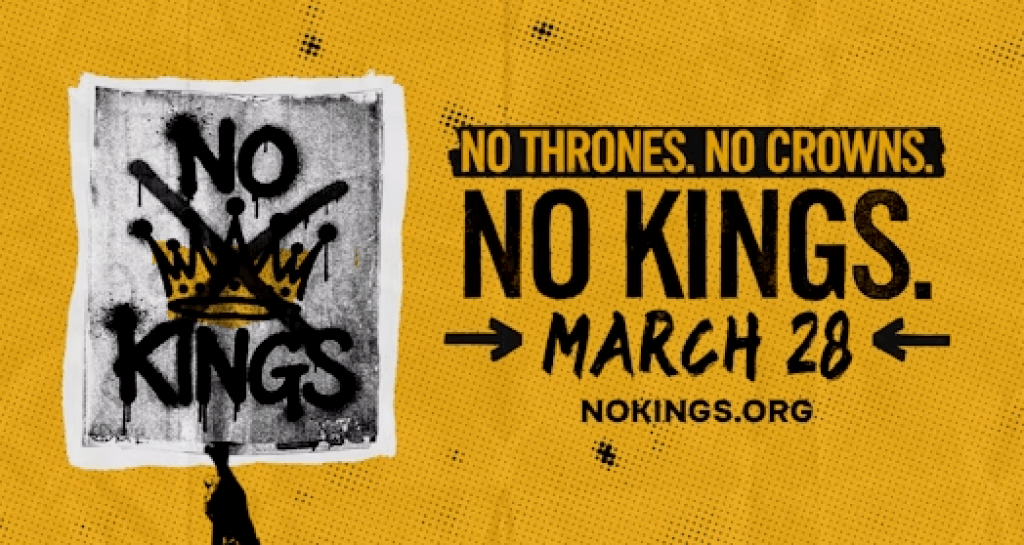
The “No Kings” protests, which gained momentum in 2025 across the U.S. to oppose authoritarianism and the erosion of democratic norms, align with Pagan and Wiccan principles through a shared commitment to autonomy, accountability, and the rejection of absolute, centralized power. Organizing for these protests strengthens a coven by fostering collective action, sharpening ethical purpose, and engaging in “magical activism”—treating social justice as a sacred, embodied act.
Alignment with Pagan and Wiccan Principles
- Rejection of Absolute Authority: Many Pagan traditions emphasize personal responsibility and the absence of a single, absolute ruler (neither a monotheistic “king” nor a political dictator). The “No Kings” mantra resonates with the desire to decentralize power and reject forced idolatry.
- The Ethics of Accountability: Paganism often advocates for accountability to the community and the environment, rather than a top-down chain of command. The movement asserts that “we elect servants, not kings,” aligning with the ideal of leadership that is accountable to the people.
- Pluralism and Freedom: The protests represent an effort to protect democratic ideals against Christian nationalist ideologies that threaten LGBTQ+ rights, reproductive rights, and religious pluralism—core areas of concern for many Pagans.
- “As Above, So Below”: By participating in civic life, Pagans enact this principle, bringing their spiritual commitment to equality into the political, material world.
How Organizing Strengthens a Coven
- Fostering Community and Solidarity: Organizing a protest requires cooperation and shared decision-making, which binds members together. It moves the coven from passive agreement to collective action, strengthening interpersonal bonds.
- Enacting “Magical Activism”: For many, creating protest art, engaging in rituals at the site of demonstrations (like casting circles), and organizing acts as a form of “protective magic”—a tangible way to shield vulnerable community members.
- Strengthening Organizational Skills: Planning direct action, including coordinating logistics, managing safety, and networking with other local groups, develops leadership and practical capabilities within the coven.
- Defining Ethical Commitment: The process of deciding to join a public action forces a group to clarify its values, strengthening its internal, moral, and spiritual identity.
Examples of Pagan Involvement
Pagan activists have participated by organizing ritual acts and distributing educational materials, with noted Pagan figures like Mortellus and Andras Corban-Arthen helping to define the moral imperative of the demonstrations. In city after city, Pagans have helped root these protests in an ethic of freedom and civic duty.
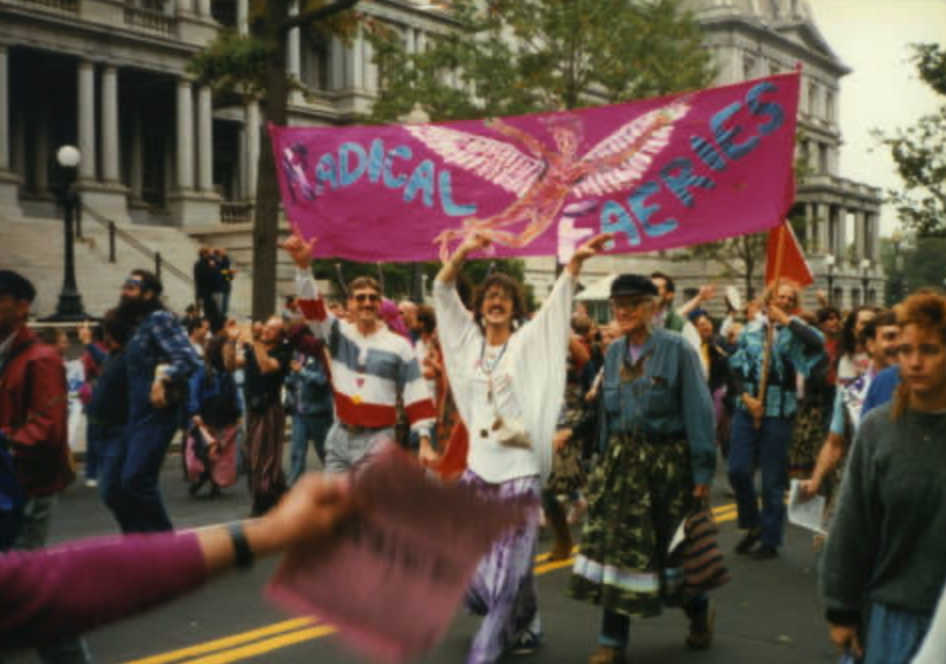
Faerie Practices:
- Connecting with nature spirits: Faeries are strongly associated with nature and are often seen as guardians of natural places. The Grove Coven might incorporate practices such as:
- Creating sacred spaces for the Fae: Dedicating areas within parks, gardens, or personal altars as “faerie sanctuaries” could attract faerie energy.
- Offerings and rituals: Rituals that involve leaving offerings of natural items or sweet treats could be performed to show respect and gratitude to the Fae.
- Nature-based meditations and attunement: Practices that help participants become more receptive to the subtle energies of nature and potentially connect with the Fae could be encouraged.
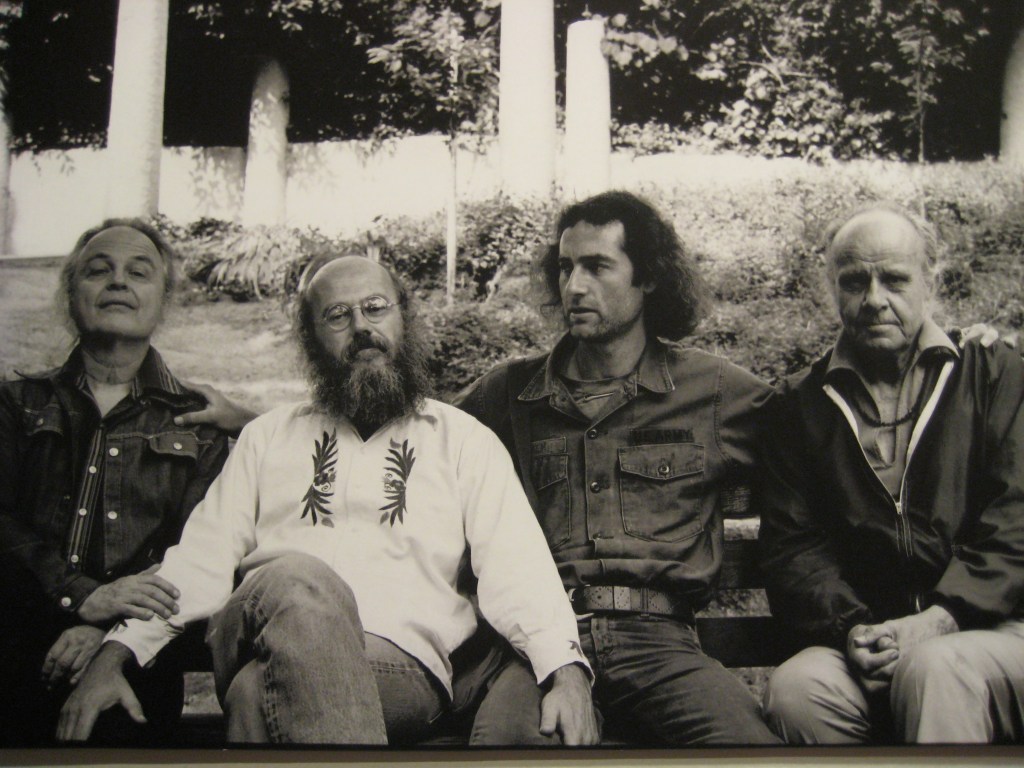
- Embracing the concept of “Faerie” as a spiritual path: The Grove Coven might explore the Radical Faerie movement’s focus on blending queer consciousness and spirituality, celebrating individual expression, and embracing nature as a source of wisdom and healing.
- Utilizing Faerie symbolism and lore: Drawing upon the rich mythology and folklore surrounding Faeries can add depth to rituals and practices. This could involve:
- Storytelling and mythology: Sharing tales of Faerie folklore and incorporating these narratives into rituals or discussions.
- Exploring Faerie archetypes and symbols: Understanding the different aspects of the Faerie realm and how they relate to personal growth and transformation.
- Considering the Fae as guides: Engaging with the idea that Faeries can offer guidance, protection, and wisdom on one’s spiritual path.
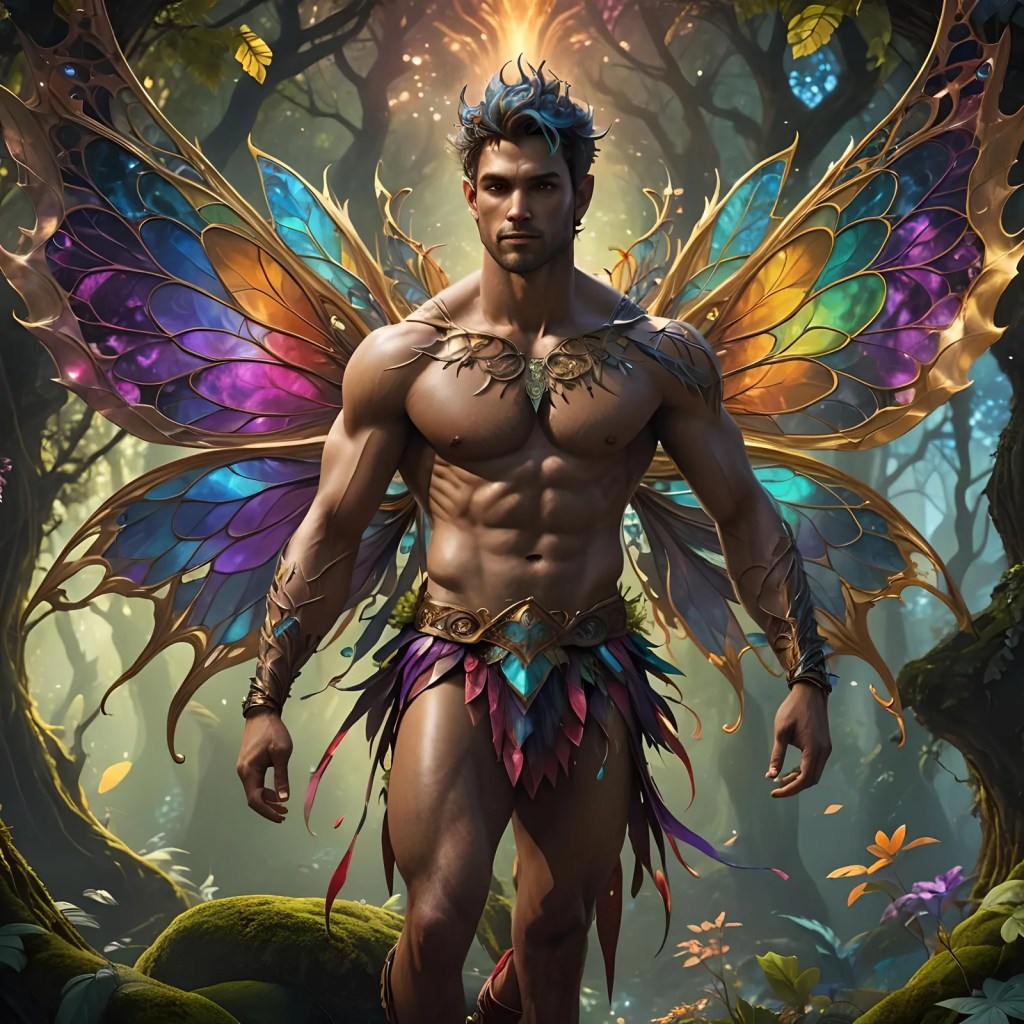
In essence, The Grove Coven provides a space where individuals can explore the interconnectedness of various Pagan and nature-based spiritualities. By integrating elements of Druidry (with its emphasis on nature connection, seasonal celebrations, and ancestral veneration) and Faerie practices (which focus on nature spirits, enchantment, and connection with the natural world), the coven can offer a unique and enriched spiritual experience.
 The Grove Coven