

The Renaissance Pleasure Faire is an annual commercial reenactment of a 16th-century market faire in Elizabethan-era England. Originating in California in 1963, it is widely considered the first modern Renaissance fair in the United States.
The Sterling Renaissance Festival is an annual event in Sterling, New York, that transports visitors to the fictional English village of Warwick in the year 1585. The festival is known for its immersive, interactive environment, which includes jousting, stage shows, artisans, games, food, and drink.

The Scarborough Renaissance Festival is an annual event in Waxahachie, Texas, where a 16th-century English village is recreated to celebrate the visit of King Henry VIII. The festival, also known as Scarborough Faire, has been a North Texas tradition since 1981 and features costumed entertainers, artisans, themed weekends, and food and drink.
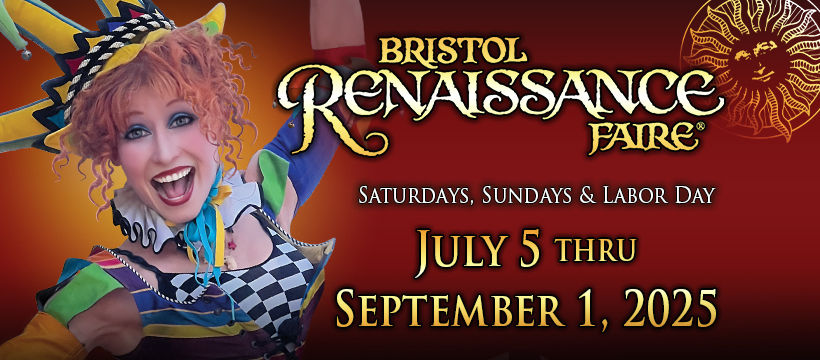
The Bristol Renaissance Faire is an annual immersive outdoor festival that transports visitors to a 16th-century English village during the reign of Queen Elizabeth I. Located in Kenosha County, Wisconsin, along the Wisconsin-Illinois border, it is a popular summertime destination for visitors from Chicago and Milwaukee.
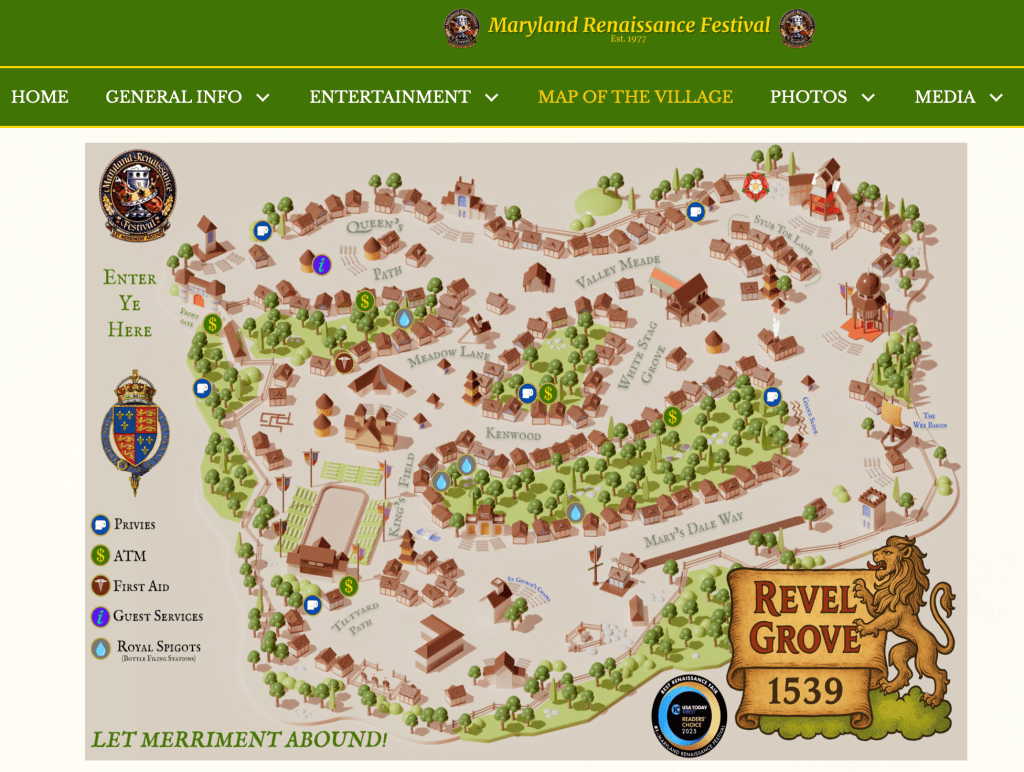
The Maryland Renaissance Festival is a 16th-century themed event held annually in Crownsville, Maryland, near Annapolis. The 27-acre fairground, known as Revel Grove, hosts a variety of entertainment, food, and craft vendors.

The Minnesota Renaissance Festival was founded in 1971 and has been held in Shakopee since 1974. It is one of the longest-running and largest renaissance fairs in the United States, attracting over 300,000 visitors annually.
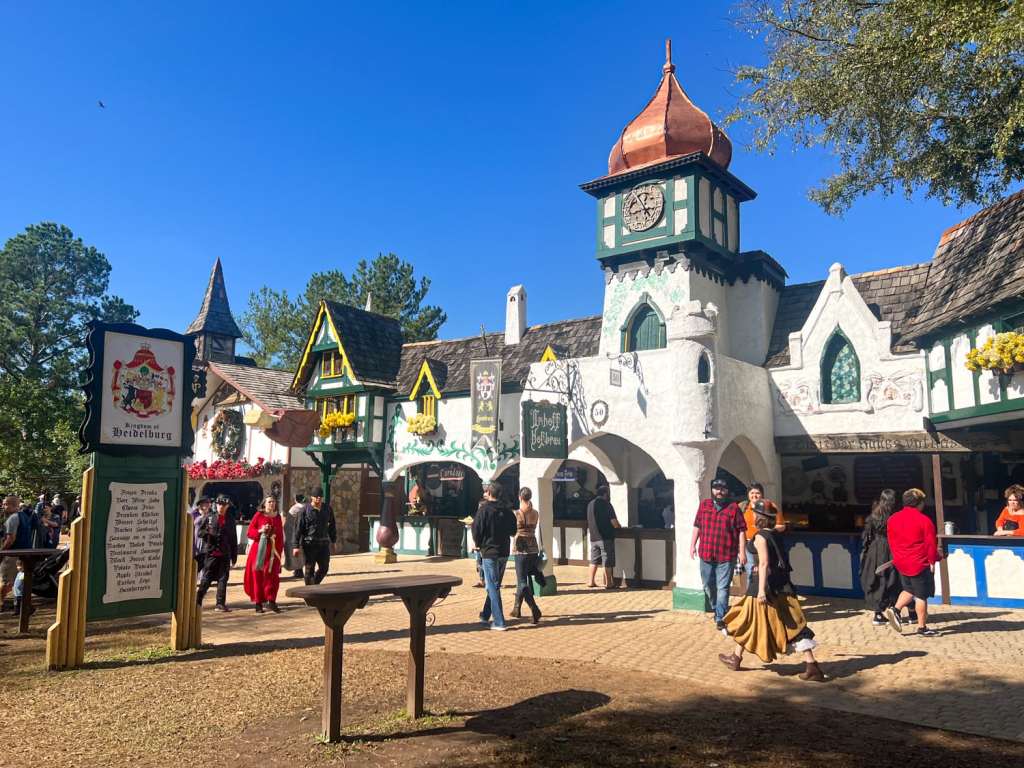
The Texas Renaissance Festival is an annual medieval-themed fair held in Todd Mission, Texas, which is northwest of Houston. In 2025, the festival is celebrating its 51st anniversary with themed weekends spanning from early October through late November.

Attending a Renaissance faire can benefit a coven of witches by offering a vibrant and permissive space for magical and spiritual expression, fellowship, and the acquisition of ritual tools
. While not overtly Pagan events, these fairs attract a high concentration of like-minded individuals and vendors selling relevant crafts, creating a welcoming and immersive environment for covens.
Community and fellowship
- Encounters with kindred spirits: Renaissance faires gather many people interested in fantasy, paganism, and alternative spirituality. A coven can enjoy a sense of community and fellowship by spending a day surrounded by kindred spirits, many of whom may also identify as pagan or magical practitioners.
- Social outing and bonding: Like any group social event, a faire provides a fun, lighthearted activity for coven members to enjoy together outside of formal rituals. The shared experience of exploring the grounds and enjoying the festivities can strengthen the bonds of the group.
Magical and practical supplies
- Acquiring unique tools: Faires are filled with artisan vendors offering unique, handmade items. A coven can find special rings, amulets, jewelry, and other trinkets that members can later dedicate and consecrate for magical purposes.
- Sourcing herbal ingredients: Many artisan booths sell handcrafted oils, perfumes, incenses, and soaps. These can provide witches with ingredients for potions and spellcraft, especially if they don’t have the time to create them from scratch.
Esoteric inspiration and practice
- Celebrating the occult: Renaissance faires appreciate the occult and offer an environment where mysticism, divination, and esoteric ideas are openly celebrated through performance and art.
- Encountering ancient crafts: Faires often showcase artisans practicing crafts such as herbalism and divination, providing a chance for covens to learn new skills or connect with other practitioners.
- Tapping into magical energy: Some attendees find the fairs to be energetic spaces, where the collective focus on magic and fantasy creates a tangible, powerful atmosphere.
- Honoring persecuted ancestors: For some, dressing as a witch is an empowering act that honors historical female healers and practitioners who were persecuted during the Renaissance era.
Escapism and creative expression
- Embracing fantasy and mythology: Many witches are drawn to fantasy and mythological themes. The theatrical nature of a faire provides an opportunity to immerse themselves in a world of elves, faeries, and mythical creatures, which can help fuel their magical imagination.
- Creative costuming: The practice of creating and wearing elaborate costumes can be a form of creative self-expression. By embracing a character, coven members can feel a sense of liberation and empowerment.
- Role-playing for practice: The improvisational nature of interactions at a faire can serve as a safe and playful way for coven members to practice character embodiment and storytelling. Some covens create “quests” or other activities to further enhance the experience.
 The Grove Coven