
Germany’s engagement with reparative justice concerning the Holocaust is crucial for several profound reasons, impacting German society and serving as a model for addressing historical atrocities:
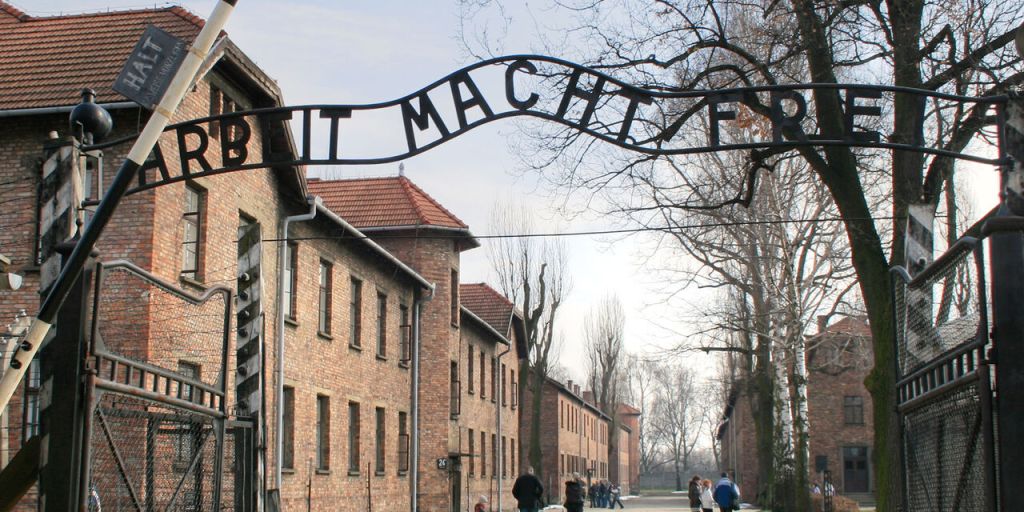
Reparative Justice as being important to German Society:
- Legitimizing democratic governance and rebuilding trust: After World War II, confronting the Nazi regime’s atrocities and providing reparations was crucial to establishing and legitimizing democratic governance in West Germany. This commitment helped rebuild trust within the international community and with Holocaust survivors.
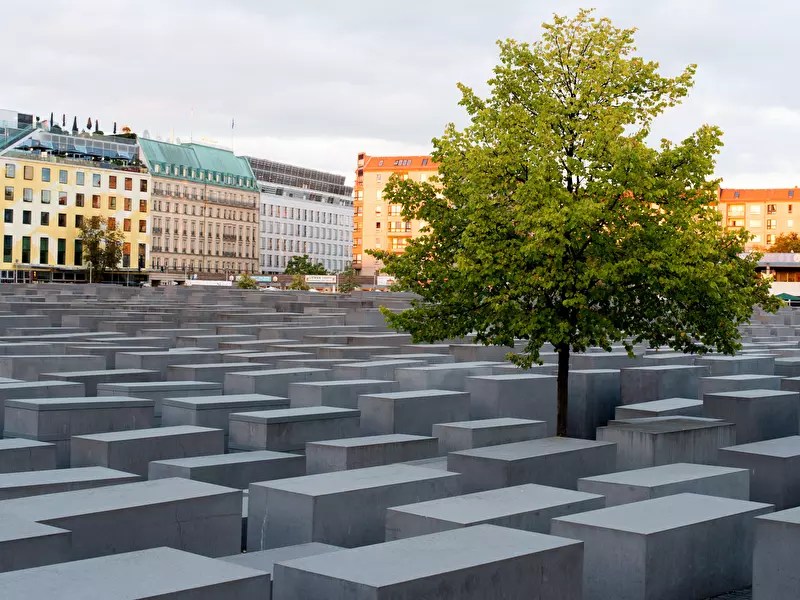
- Acknowledging responsibility and seeking atonement: Germany’s engagement in reparations, including financial compensation, restitution of looted property, and survivor pensions, represents a concrete acknowledgment of its historical responsibility for the Holocaust. This process serves as a form of atonement and aims to repair, however imperfectly, the immense harm inflicted.
- Fostering a culture of remembrance: Reparative justice efforts have been intertwined with a deep commitment to Holocaust education and remembrance. Germany has established world-class memorials and museums, mandated Holocaust education in schools, and actively combats antisemitism, particularly among its youth.

- Healing the wounds of the past: While no amount of money can truly compensate for the Holocaust’s atrocities, the reparations programs have provided practical assistance to survivors and their families, addressing their material and health needs. This process, despite its complexities and imperfections, contributes to individual and collective healing.
- Setting a precedent for dealing with historical injustices: Germany’s reparations programs have been described as the largest and most comprehensive ever implemented, establishing legal and moral precedents for addressing large-scale human rights violations and injustices, according to The YIVO Encyclopedia of Jews in Eastern Europe.
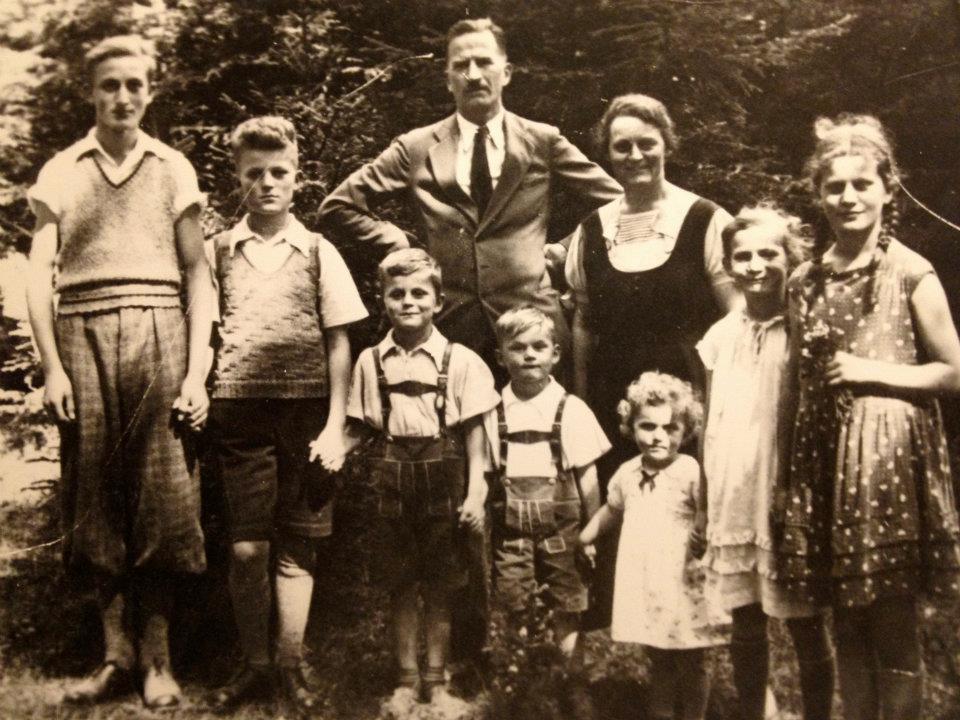
How a German descendant might continue to honor the responsibility of justice:
- Embrace and promote Holocaust education: Actively learn about the Holocaust and its history, including the mechanisms of persecution and the victims’ experiences. Share this knowledge with others, challenging denial or historical revisionism, says the U.S. Department of State (.gov).
- Support organizations dedicated to remembrance and Holocaust survivor care: Contribute to organizations that preserve Holocaust memory, such as the Claims Conference, which administers compensation and social welfare services to Holocaust survivors.

- Actively combat antisemitism and all forms of prejudice: Understand and address the rise of antisemitism and other forms of prejudice and hatred, both within Germany and globally. Take an active stance against discrimination and advocate for human rights and equality.
- Engage in intergenerational dialogue: Participate in conversations with older generations, especially family members, to understand their perspectives and experiences of the Holocaust and its legacy. This can help foster a shared understanding of history and its implications for the present, says The Christian Science Monitor.

- Champion reparative justice for other historical injustices: By demonstrating the ongoing commitment to address the Holocaust’s legacy, German descendants can advocate for and support reparations and restorative justice initiatives for other communities affected by historical injustices and human rights violations.

Germany faced numerous and multifaceted challenges in implementing Holocaust reparations, particularly in the initial post-war decades. These challenges encompassed political, economic, logistical, and even moral dimensions.
Here’s an elaboration on some of the key difficulties:
1. Political resistance and the legacy of Nazism
- Internal opposition: Many Germans, particularly in the immediate aftermath of the war, struggled to accept collective guilt and responsibility, leading to resistance towards reparations.
- Property restitution disputes: Non-Jewish Germans who had come to occupy property formerly owned by Jews often viewed themselves as the rightful owners, complicating efforts to return confiscated assets.

- Governmental instability and denazification: The task of establishing democratic governance and purging Nazi influence was immense, affecting the efficiency and reach of reparations programs.
- Division of Germany: The split into West Germany (Federal Republic of Germany) and East Germany (German Democratic Republic) created a fractured approach to reparations, with East Germany initially refusing responsibility.
- Allied influence and fragmented legal norms: Early Allied interventions were sometimes uncoordinated, leading to inconsistencies and inequities in legal norms for restitution, notes Cambridge University Press & Assessment.
2. Economic constraints and burdens
- Post-war destruction and economic devastation: Germany’s infrastructure and economy were severely damaged by the war, making the allocation of substantial funds for reparations a challenge.
- Initial focus on reconstruction: The immediate priority was rebuilding the country, and reparations were viewed as potentially diverting resources from this essential task, says Quora.
- High estimated cost of war damages: While the final figure for reparations to Israel and other nations was set at $23 billion, the actual estimated cost of war damages was far higher, exceeding Germany’s capacity to pay, according to Study.com.
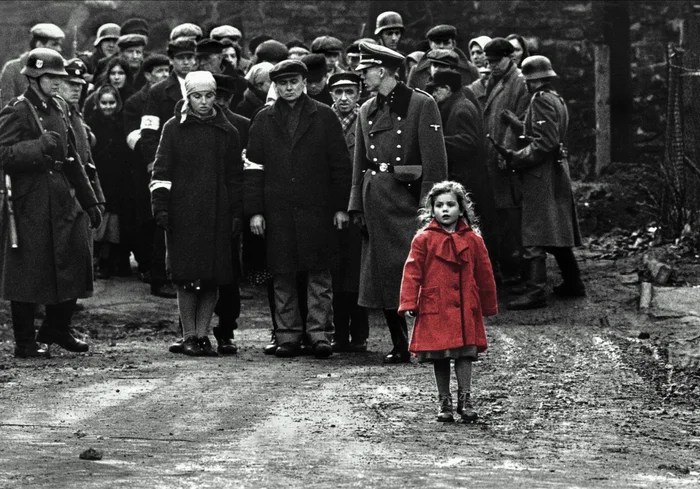
3. Logistical complexities and the challenge of identifying victims
- Determining eligibility: Establishing clear and fair criteria for eligibility for various types of reparations proved difficult, especially as time elapsed and memories faded.
- Documentation and verification: Many survivors lacked official documentation of their persecution, making the verification of claims challenging.
- Identification of looted property: Tracking down and proving ownership of stolen art, real estate, and other assets was a complex and often arduous process, according to www.dfs.ny.gov.
- Variations in legal frameworks and local issues: Restitution legislation varied across countries, and local political pressures and entrenched interests could hinder the return of property, notes Jerusalem Center for Security and Foreign Affairs.

4. Moral and ethical dilemmas
- “Blood money” debate: Some, particularly in Israel, strongly opposed accepting reparations from Germany, viewing the payments as morally unacceptable “blood money” that could not truly atone for the Holocaust.
- Focus on the diminishing number of survivors: The urgency of providing support to aging survivors, says Claims Conference and ensuring the reparations system was adapted to their changing needs (e.g., home care).

- Balancing compensation with remembrance: Germany faced the ongoing challenge of providing material compensation while simultaneously maintaining a focus on Holocaust remembrance and education, preventing the reduction of the tragedy to mere financial transactions.
Despite these formidable challenges, Germany has consistently deepened its commitment to Holocaust reparations and remembrance. Over the decades, notes Claims Conference and in collaboration with organizations like the Claims Conference, it has significantly expanded its programs and provided substantial compensation and social welfare services to survivors worldwide.

As of mid-2025, several humanitarian crises require immediate assistance and a focus on reparative justice, primarily driven by conflict, climate change, and economic instability. These crises often involve significant displacement, food insecurity, human rights abuses, and a breakdown of essential services.
Here are some of the most urgent crises, with particular attention to immediate needs and the role of reparative justice:
1. Sudan
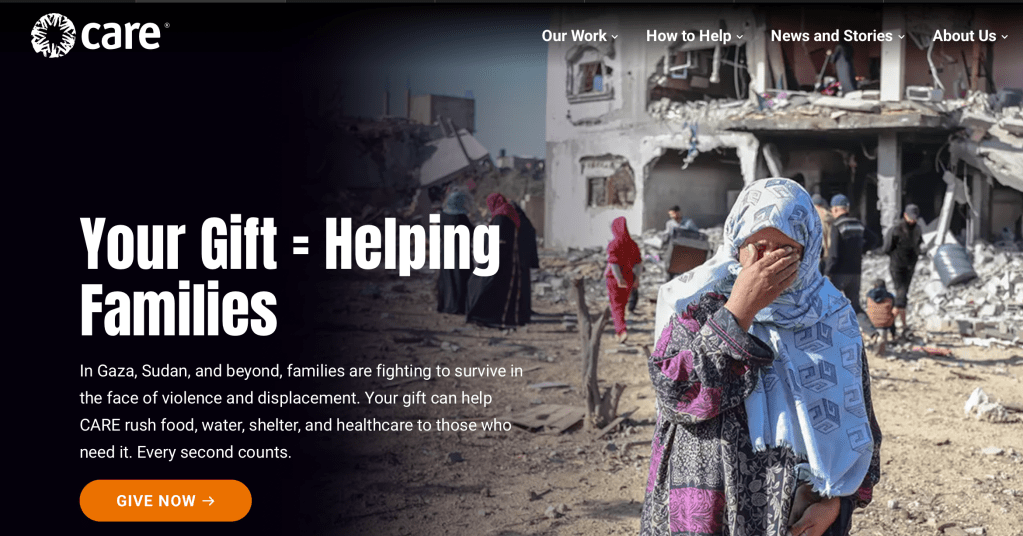
- Immediate needs: Sudan is experiencing the world’s largest humanitarian crisis, with over 30 million people requiring urgent assistance and 11 million people displaced internally and externally. Famine conditions are prevalent, particularly in Darfur and Kordofan, driven by ongoing conflict, displacement, economic collapse, and severe restrictions on humanitarian access.
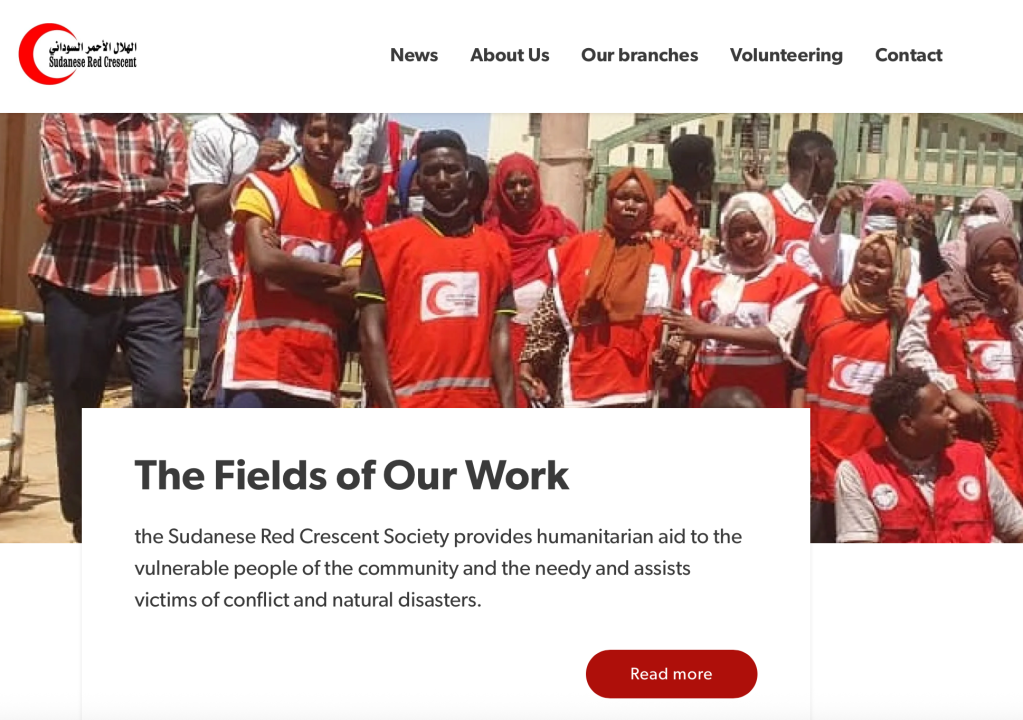
- Reparative justice: The widespread human rights violations, including ethnic killings, sexual violence, and destruction of communities, demand accountability for perpetrators and reparations for the victims and their families. This could involve truth-telling initiatives, compensation for losses, and rebuilding efforts focused on affected communities.
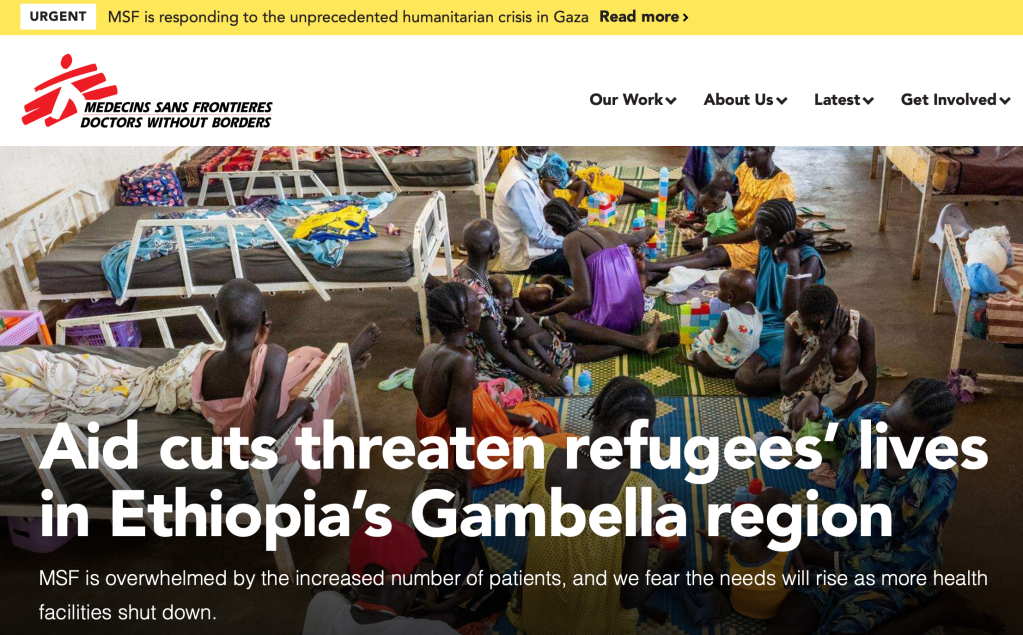
2. Gaza and the occupied Palestinian Territory
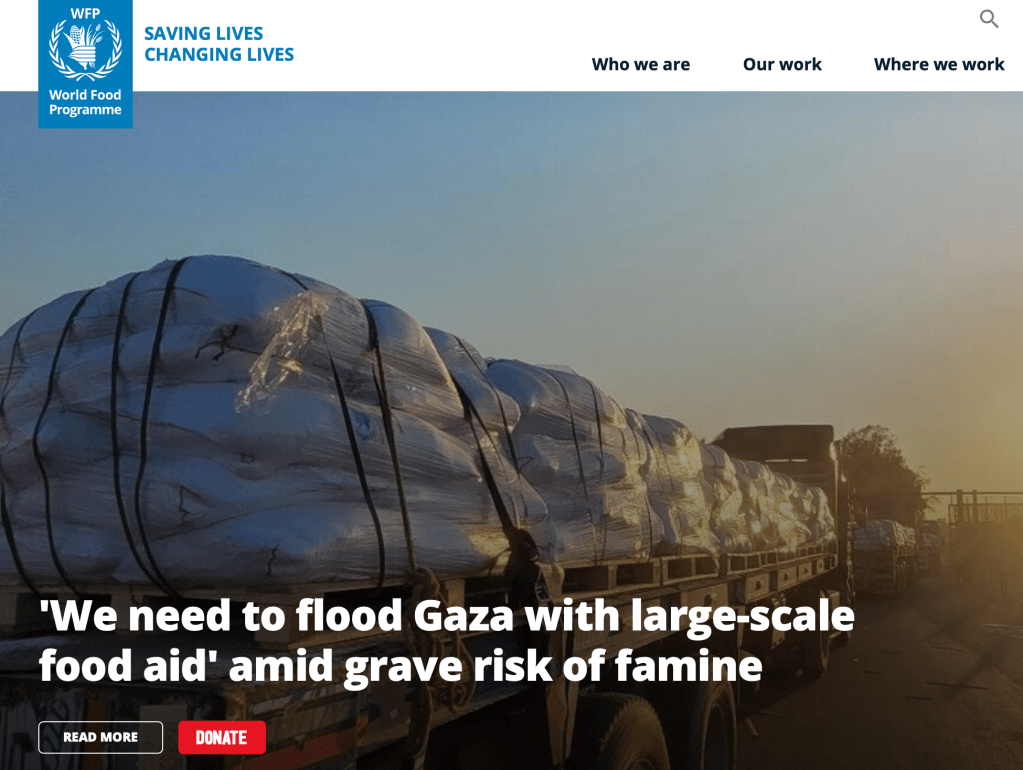
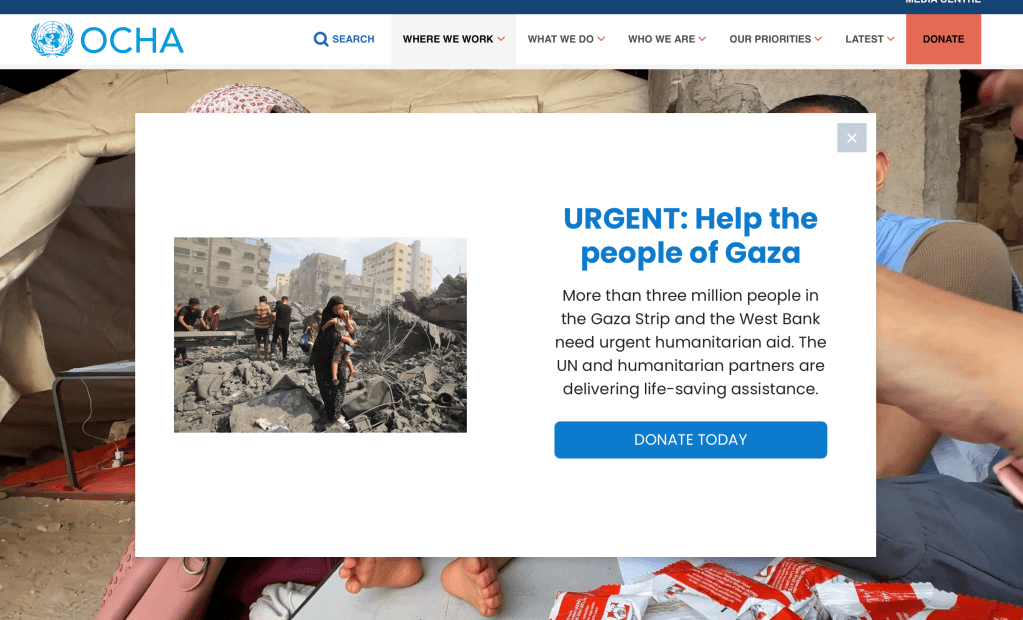
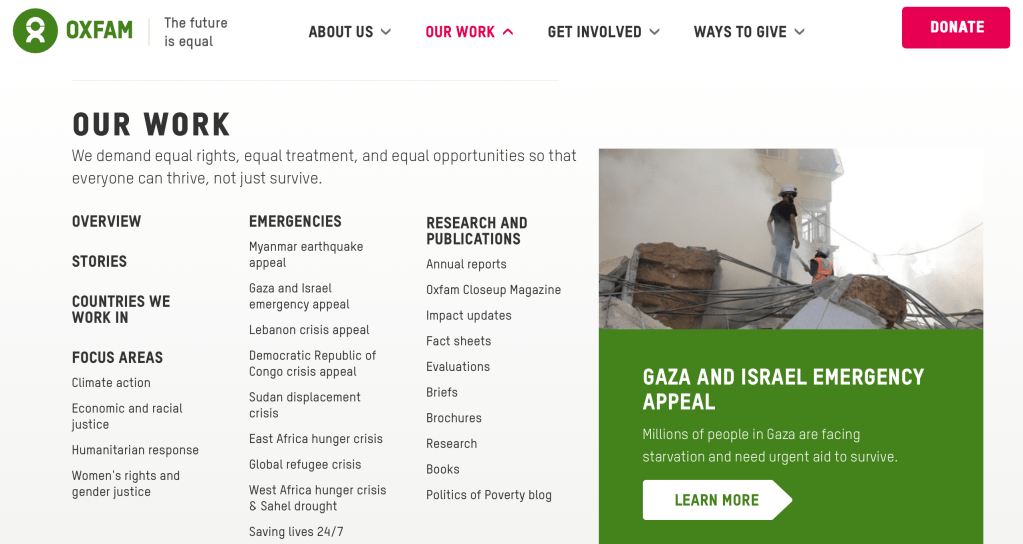
- Immediate needs: The conflict has resulted in widespread displacement, destruction of infrastructure, and a collapsing healthcare system in Gaza. A massive influx of humanitarian assistance is urgently needed, along with safe access for aid organizations.
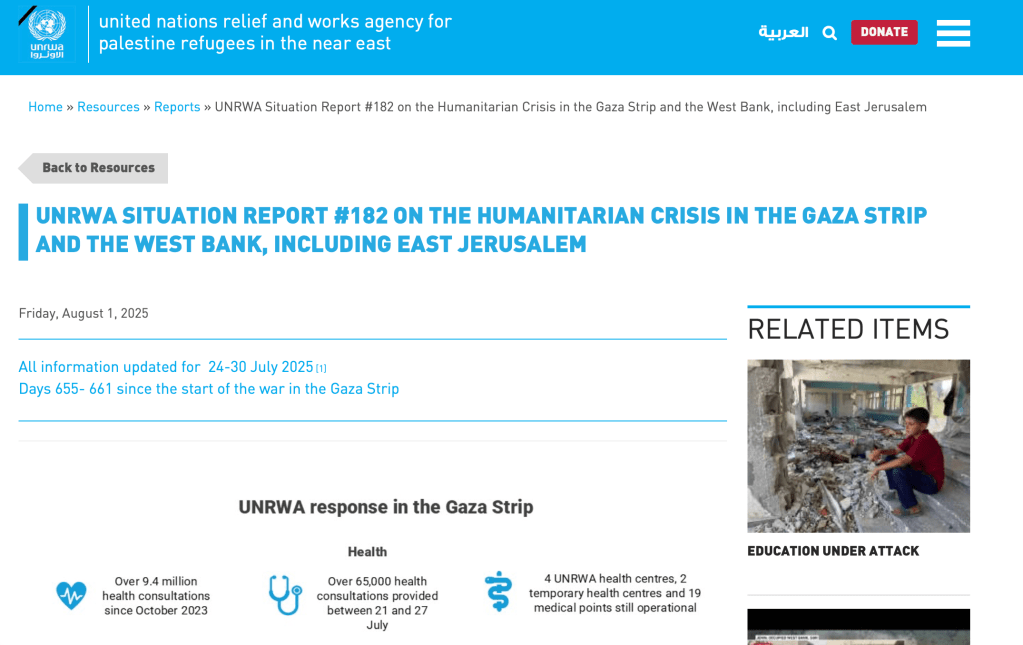
- Reparative Justice: Beyond immediate aid, there is a need to address the root causes of the crisis, including the Israeli occupation and its associated human rights violations, says the Office of the United Nations High Commissioner for Human Rights. This includes addressing issues of displacement, property restitution, and ensuring accountability for violations of international humanitarian law.
3. Democratic Republic of the Congo
- Immediate needs: The DRC faces a protracted humanitarian crisis driven by conflict, with millions displaced and in need of assistance, particularly in the eastern provinces. Food insecurity, gender-based violence, and limited access to healthcare and education are significant concerns, according to Women for Women International.
- Reparative Justice: Addressing the root causes of conflict, including land and resource disputes, and ending impunity for human rights abuses are crucial for lasting peace and stability. Reparations should address the harms suffered by victims, including rehabilitation and support for survivors of sexual violence.
4. SYRIA
- Immediate Needs: Over a decade of conflict has decimated infrastructure, led to mass displacement, and left millions in need of humanitarian aid. Food insecurity is widespread, and the recent change in government creates uncertainty regarding the future humanitarian and political landscape.
- Reparative Justice: Truth and accountability for the atrocities committed during the conflict are essential, alongside efforts to address the needs of returning refugees and internally displaced persons (IDPs), says www.nrc.no. Reparations should include restitution of property, psychosocial support for those who have experienced trauma, and rebuilding communities.
5. Afghanistan
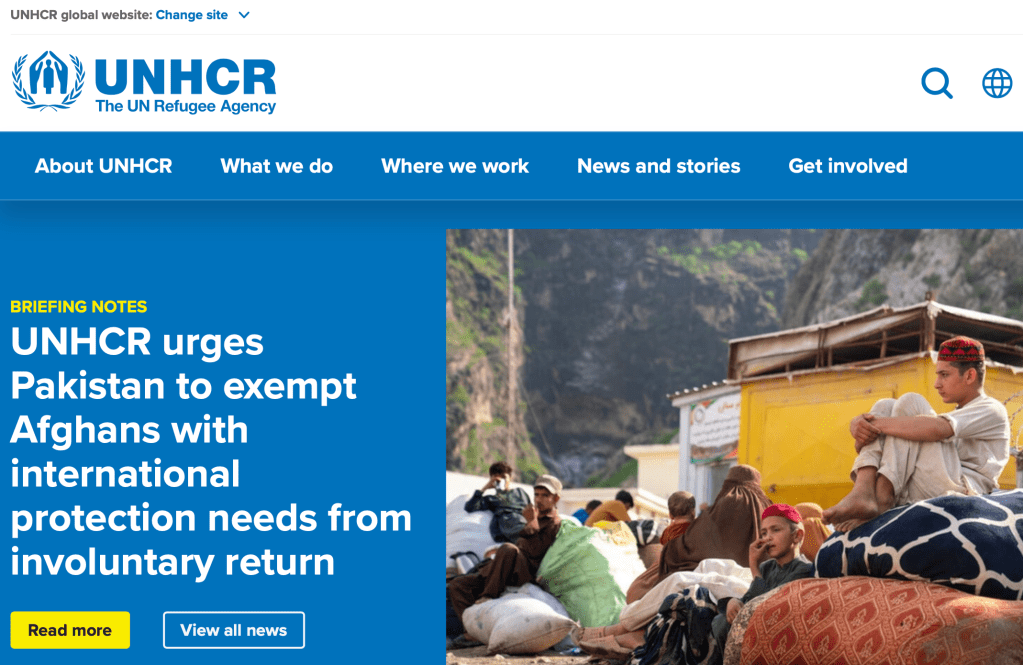
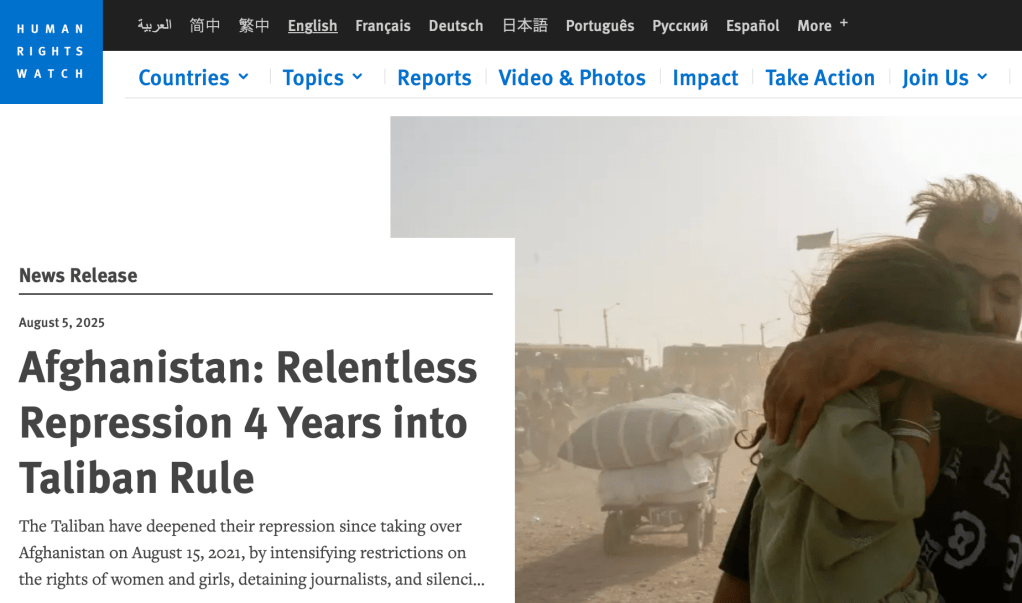
- Immediate needs: Afghanistan faces compounding crises, including decades of conflict, extreme hunger, and a severe drought. Millions of people require immediate humanitarian support, and the return of refugees and IDPs puts further strain on already limited resources, says Medium.
- Reparative justice: A long-term commitment to peacebuilding, reconciliation, and addressing the root causes of conflict is crucial. Reparations should focus on supporting the livelihoods of vulnerable populations, rebuilding infrastructure, and ensuring access to essential services, particularly for women and girls, notes Women for Women International.
6. Yemen
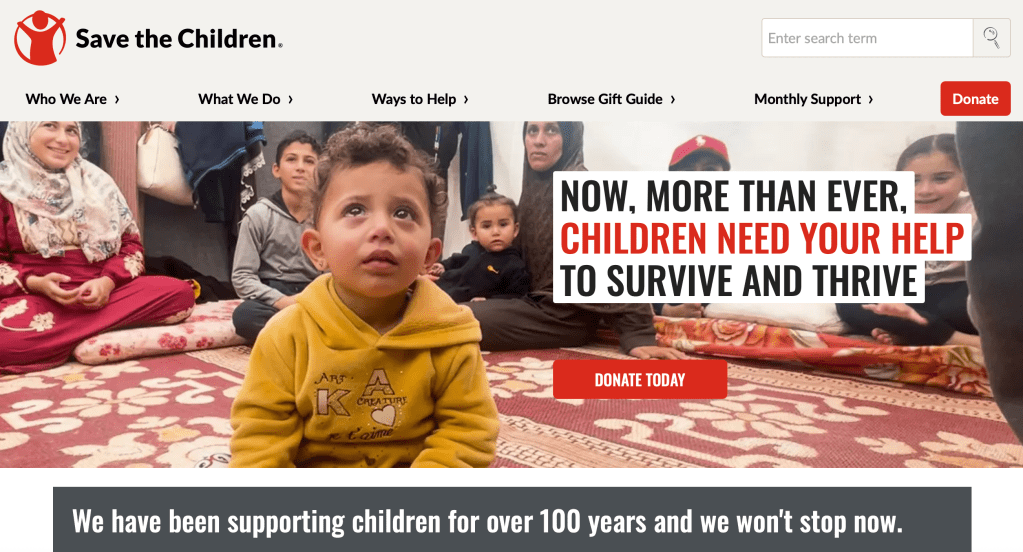
- Immediate needs: Years of civil war have left millions in need of humanitarian assistance, with widespread food insecurity and a damaged healthcare system. Access to aid remains a challenge, and recent airstrikes have further worsened the situation, says www.nrc.no.
- Reparative Justice: A lasting peace agreement that prioritizes justice for civilians affected by the conflict is needed, according to Human Rights Watch. Reparations could include compensation for civilian casualties, rebuilding infrastructure, and providing support for those who have lost their livelihoods.
These are just a few examples of the many urgent humanitarian crises around the world that require immediate assistance and a focus on reparative justice. The interconnectedness of conflict, climate change, and economic instability highlights the need for comprehensive and coordinated responses that address both immediate needs and the long-term work of repairing societies and preventing future harm.
People benefiting from whiteness and privilege have a significant and multifaceted duty and responsibility to champion reparative justice and engage in ending atrocities. This responsibility stems from the historical and ongoing advantages accrued through systems of oppression, and it requires active, consistent, and reflective engagement.
1. Acknowledging Privilege and its impact:
- Self-reflection and understanding: Individuals must first acknowledge their privilege and understand how it operates within systems of power and oppression. This involves recognizing the unearned advantages they hold due to their race, socioeconomic status, and other social identities.
- Intersectional Awareness: Privilege is not monolithic and intersects with other identities (gender, class, sexual orientation, disability, etc.) creating complex dynamics. Understanding these intersections is crucial for effective engagement.

2. Using privilege to amplify marginalized voices
- Elevate and center marginalized perspectives: Instead of speaking over or for marginalized communities, those with privilege should use their platforms and influence to amplify the voices and experiences of those most affected by atrocities and injustice.

- Support marginalized-led initiatives: This includes financially supporting and volunteering for organizations led by people of color and other marginalized groups, following their leadership and prioritizing their perspectives.
- Challenge harmful narratives: Actively countering misinformation and discriminatory narratives by sharing accurate information and promoting nuanced understandings of social justice issues is also crucial.
3. Advocating for systemic change and reparations
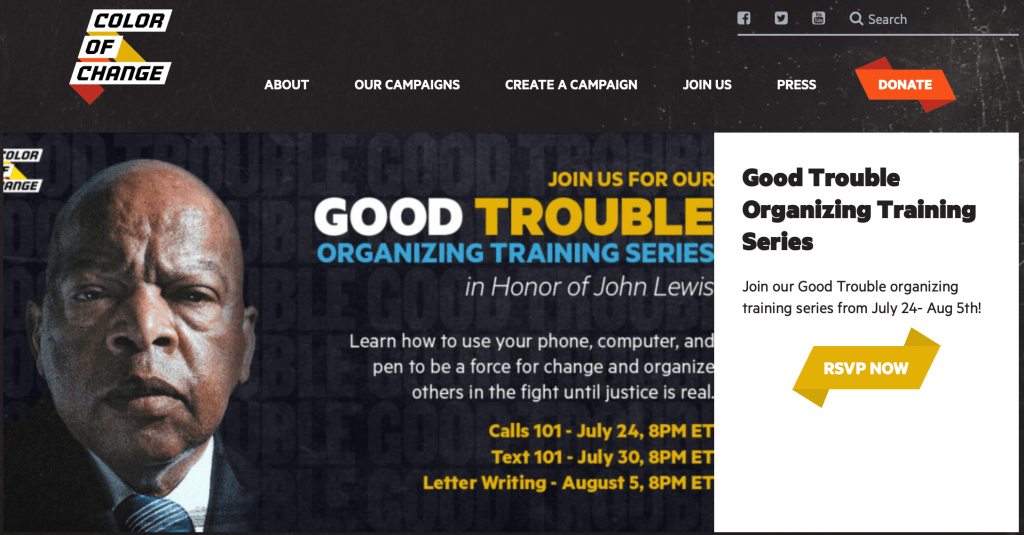
- Educate and engage in difficult conversations: Learn about the history of atrocities, colonialism, slavery, and other forms of systemic injustice. Challenge discriminatory policies and practices within institutions, including workplaces, communities, and legal systems.

- Demand accountability and reparations: This involves actively supporting demands for reparative justice, including financial compensation, restitution of stolen land and resources, and investment in marginalized communities. This also means holding individuals and institutions accountable for their role in perpetuating harm.
- Advocate for policy changes: Champion policies that dismantle systemic oppression and promote equality and equity, such as anti-discrimination laws and criminal justice reform.
4. Building alliances and fostering solidarity
- Build relationships across lines of difference: Work collaboratively with people of color and other marginalized communities, fostering relationships of mutuality and accountability.

- Support and participate in movements for change: Engage in organizing efforts and activism to create collective action and build solidarity across social identities and movements.

- Recognize the interconnectedness of struggles: Acknowledge that various forms of oppression are intertwined and work to build broad coalitions for justice and liberation.

5. Ongoing self-reflection and accountability
- Regularly examine biases and assumptions: Continuously reflect on one’s own privilege, biases, and the ways they may inadvertently perpetuate harm.
- Seek and be open to feedback: Listen to criticism and be willing to adjust approaches and practices based on feedback from marginalized communities.

- Don’t center yourself: Avoid making conversations about personal experiences or feelings of guilt. Instead, focus on the needs and experiences of those most impacted.
In essence, the duty of those with whiteness and privilege is to move beyond passive acknowledgment to active engagement in dismantling systems of oppression and building a more just and equitable world for all. This requires humility, empathy, a willingness to learn and be challenged, and a commitment to action. According to Resource Generation and Yale University and Tim Wise – Medium, such engagement is not a gesture of charity but a fundamental responsibility toward creating a more just and equitable society.
 The Grove Coven