
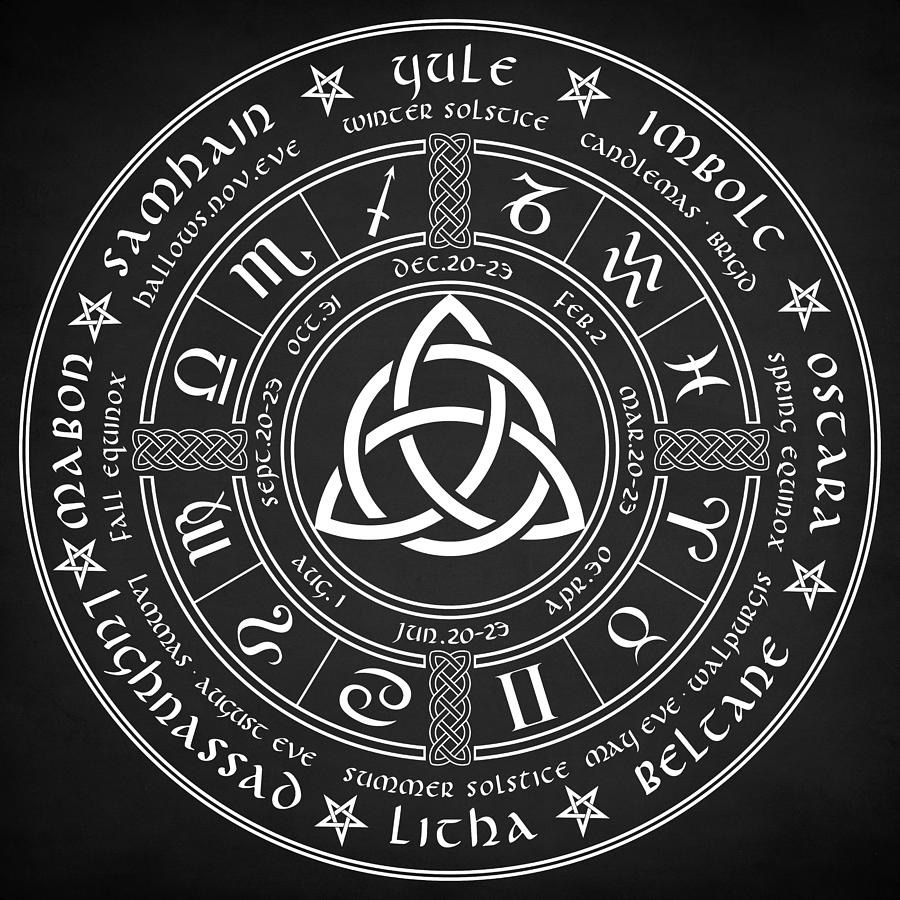
Druids, Wiccans, and other Pagans observe the Wheel of the Year to connect with the cyclical nature of life, death, and rebirth, mirroring the changing seasons and their own internal rhythms. This observance involves celebrating eight key festivals, or Sabbats, that mark significant points in the solar and lunar year, fostering a sense of balance, gratitude, and spiritual growth.
Here’s a more detailed explanation:
- Cyclical Nature: The Wheel of the Year is a pagan concept representing the cyclical nature of time and the universe, similar to the Eastern concept of reincarnation. It emphasizes that everything is in a perpetual cycle of birth, growth, decline, and renewal.
- Seasonal Connection: The eight festivals of the Wheel of the Year correspond to the solar events (solstices and equinoxes) and the Celtic festivals marking the beginnings and middles of the four seasons. These festivals are occasions for communal celebrations and rituals.
- Spiritual Significance: Observing the Wheel of the Year allows pagans to connect with nature’s rhythms, understand their own internal cycles, and find balance in their lives. It provides a framework for spiritual growth, reflection, and gratitude.
- Modern Adaptation: While rooted in ancient traditions, the Wheel of the Year has been adapted by modern pagan groups, including Wicca and Druidry. It provides a structure for celebrating the seasons and fostering a sense of community.
- Examples of Observances: Some ways pagans celebrate the Wheel of the Year include:
- Creating shrines and altars for each season.
- Engaging in rituals related to the specific festival themes.
- Planting and harvesting herbs, fruits, and vegetables.
- Connecting with nature through walks, hikes, or spending time outdoors.
- Reflecting on the symbolism of each festival.
Observing the Wheel of the Year
Imbolc
1-2 FEBRUARY
CROSS QUARTER

Ostara
21 MARCH
VERNAL EQUINOX

Beltane
1 MAY
CROSS QUARTER
Imbolc, Ostara, and Beltane are three significant festivals on the Pagan Wheel of the Year, marking the progression of spring and the return of life and fertility to the Earth. These celebrations, rooted in ancient traditions, especially Celtic and Germanic practices, provide a framework for connecting with nature’s cycles and marking the energetic shifts of the season.
Here’s a breakdown of their individual significance and their interconnected relationship:
1. Imbolc (early February)
- Meaning and Symbolism: Imbolc, pronounced “im-bolk,” signifies the first stirrings of life beneath the earth’s surface, a whispered promise of spring after the depths of winter. The name itself likely stems from Old Irish words related to “in the belly” or “milking,” reflecting the lambing season and the pregnancy of ewes – an early sign of new life and impending abundance, according to The Busy Pagan.
- Importance: Imbolc is a time for purification, renewal, and setting intentions for the coming year. It’s a period for cleansing away the old, both physically and spiritually, to make space for the new energy of spring.
- Relationship: Imbolc acts as the foundation for the spring season, setting the stage for the vibrancy and growth to follow with Ostara and Beltane. It’s the initial awakening, the faint hint of life stirring before the full bloom arrives.
2. Ostara (spring equinox – late March)
- Meaning and Symbolism: Ostara, celebrated at the Spring Equinox around March 20-23, marks the balance between light and dark as the days continue to lengthen and daylight and darkness achieve equal length. This festival, named after the Germanic goddess Eostre associated with dawn, fertility, and renewal, symbolizes rebirth and the blossoming of life.
- Importance: Ostara emphasizes new beginnings, fertility, and growth, encouraging us to plant both literal seeds in the garden and metaphorical seeds of our intentions and desires. It’s a time to embrace the warming sun, the blossoming of nature, and the fertility of the land, according to Spells8.
- Relationship: Following Imbolc’s awakening, Ostara represents the earth actively blooming and coming into its fertile glory. It builds upon the groundwork laid at Imbolc, bringing those intentions and initial stirrings into a tangible phase of growth and balance.
3. Beltane (May Day – early May)
- Meaning and Symbolism: Beltane, celebrated around May 1st, is a vibrant fire festival that marks the peak of spring and the transition towards summer. The name “Beltane” is thought to derive from Celtic words signifying “bright fire”, reflecting the central role of bonfires in its celebration. It is associated with fertility, passion, creativity, and the full blossoming of nature’s energies.
- Importance: Beltane celebrates the sacred union of the God and Goddess, representing the merging of masculine and feminine energies that drive creation and growth. It’s a time for revelry, honoring the Earth’s vitality, and taking action on the intentions set at Imbolc and nurtured at Ostara.
- Relationship: Beltane fulfills the promises of growth initiated at Imbolc and manifested at Ostara. It marks the culmination of spring’s energy, moving into the passionate abundance of early summer, notes Spells8.
In summary, Imbolc, Ostara, and Beltane, as celebrated on the Pagan Wheel of the Year, create a continuous narrative of spring’s progression and nature’s awakening.
- Imbolc represents the initial stirrings and setting of intentions.
- Ostara focuses on balance, renewal, and the emergence of life.
- Beltane celebrates the full bloom, fertility, and passionate realization of spring’s potential.
Together, these festivals guide practitioners through the journey of growth and renewal, both within themselves and in connection with the natural world.
In honor of and in gratitude for our Summer Solstice Champion.
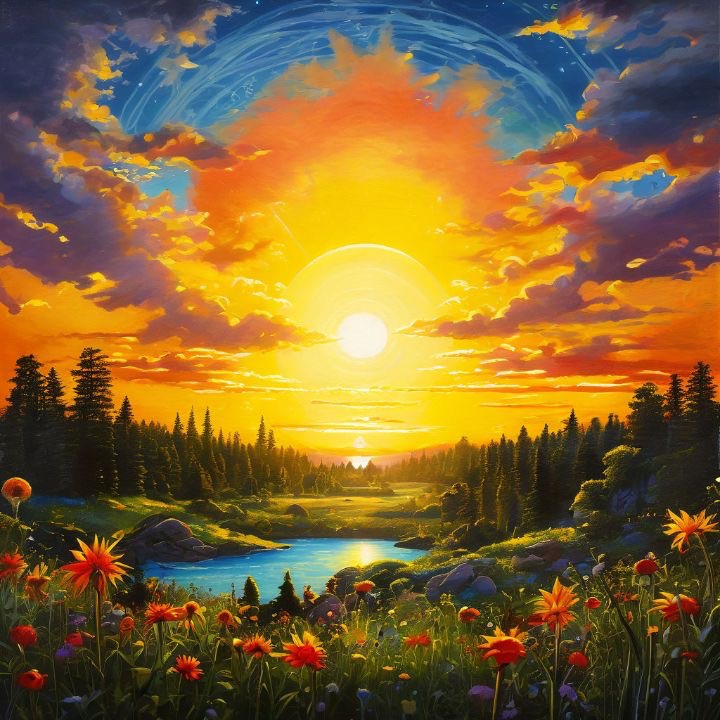
Litha (Midsummer)
21 JUNE
SUMMER SOLSTICE
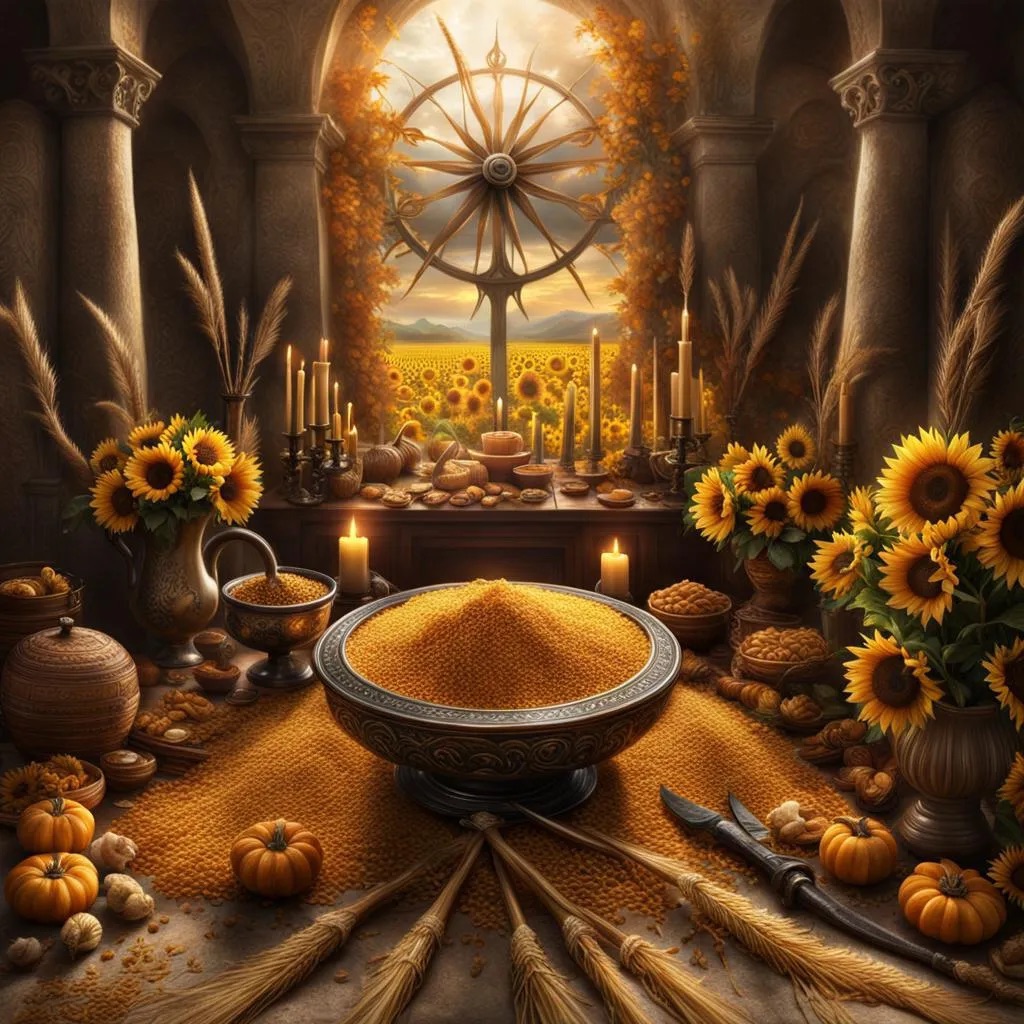
Lughnasadh (Lammas)
1 AUGUST
CROSS QUARTER

Mabon
21 SEPTEMBER
AUTUMNAL EQUINOX
Litha, Lughnasadh (or Lammas), and Mabon are three significant points in the Wheel of the Year, a cyclical calendar observed by modern pagans and Wiccans. These holidays mark important shifts in the solar and agricultural cycles, symbolizing the interplay of light and darkness, growth and decline, and abundance and preparation.
Here’s a breakdown of each holiday’s importance and its relationship to one another:
1. Litha (Summer Solstice)
- Importance: Celebrated around June 20th-22nd in the Northern Hemisphere, Lithamarks the summer solstice, the longest day and shortest night of the year. It represents the peak of the sun’s power and a time of vibrant energy, light, and life. Litha is associated with themes of strength, growth, success, and the celebration of nature’s abundance.
- Relationship: Litha is the culmination of the growing light that began at the winter solstice (Yule). It signifies the peak of summer, after which the days slowly begin to shorten, marking a turning point towards the darker half of the year.
2. Lughnasadh (Lammas)
- Importance: Observed around August 1st in the Northern Hemisphere, Lughnasadh or Lammas is the first of three harvest festivals. It celebrates the grain harvest and signifies the beginning of the agricultural cycle that provides sustenance for the coming winter months. It’s a time for gratitude for the earth’s bounty, a reflection on hard work and its rewards, and acknowledging the importance of community and sharing.
- Relationship: Lughnasadh is positioned roughly midway between Litha and the autumn equinox (Mabon), symbolizing the transition from the height of summer to the beginning of autumn. It marks the shift from the vibrant energy of Litha towards a focus on harvesting and storing resources for the colder months, and it’s the point in the cycle where the young god, representing the sun’s power, begins his decline.
3. Mabon (Autumn Equinox)
- Importance: Celebrated around September 21st-23rd in the Northern Hemisphere, Mabon marks the autumn equinox, a time of balance when day and night are of equal length. It represents the second harvest, a period for gathering fruits and vegetables, and a time for reflection and gratitude for the year’s bounty. Mabon also serves as a reminder to balance energies, release what no longer serves, and prepare for the inward journey that winter brings.
- Relationship: Mabon continues the theme of harvest initiated at Lughnasadh and reinforces the shift towards the darker half of the year. While Lughnasadh focuses on the grain harvest and the initial reaping, Mabon emphasizes the gathering and preservation of other crops, particularly fruits and vegetables, according to The Busy Pagan. The Oak King’s power is waning, and the Holly King’s power is slowly beginning to regain. It is followed by Samhain, which marks the final harvest and the onset of winter.
These three festivals are interconnected by the overarching theme of the sun’s journey and the agricultural cycle. Litha represents the peak of summer’s power and life, Lughnasadh initiates the harvest and the slowing of the sun, and Mabon marks a time of balance and gratitude for the abundance gathered before the descent into the darker, more introspective half of the year. Together, they highlight the continuous cycles of growth, harvest, death, and renewal that are central to pagan and Wiccan beliefs.
In honor of and in gratitude for our Winter Solstice Champion.

Samhain (Halloween)
31 OCTOBER
CROSS QUARTER

Winter Solstice
21 DECEMBER
HIBERNAL SOLSTICE

Yuletide
21 DECEMBER – 01 JANUARY
SEASONAL REVELRY
The relationship and importance of Samhain, Winter Solstice, and Yule:
In many Pagan and Wiccan traditions, Samhain, the Winter Solstice (Yule), and Yule are interconnected holidays celebrating the cycles of the seasons and life, death, and rebirth.
Samhain (pronounced sow-in):
- Celebrated on October 31st, marking the end of summer, the harvest season, and the beginning of the darker half of the year.
- Believed to be a time when the veil between the physical and spiritual worlds thins, facilitating connection with ancestors and spirits.
- Honoring the dead: This is a central theme, involving rituals to remember deceased loved ones, often including ancestral altars and dumb suppers (silent meals).
- Time of reflection and preparing for winter, embodying themes of transition and the cycle of life and death.
- Celtic origins: One of four major fire festivals in the ancient Celtic calendar, along with Imbolc, Beltane, and Lughnasadh.
Winter Solstice:
- The shortest day and longest night of the year, usually falling between December 20th and 23rd.
- A celestial event representing a turning point, marking the end of the descent into darkness and the beginning of the return of the light as the days gradually lengthen.
- Celebrated by various cultures throughout history, often with rituals and festivities honoring the return of the sun and its role in sustaining life.
Yule:
- A Pagan and Wiccan festival celebrated during the Winter Solstice.
- Marks the rebirth of the Sun and the return of light after the longest night.
- Symbols: Evergreen boughs, Yule logs, holly, mistletoe, wreaths, and bells, all representing resilience, eternal life, and the triumph of light over darkness.
- Traditions include lighting candles and fires, feasts, storytelling, and honoring the cycles of nature.
- In some Pagan beliefs, the God is reborn at Yule, having died at Samhain, and the Goddess is in her Mother aspect, having just given birth to the God.
The Relationship:
- Samhain marks the beginning of the darker half of the year, a time for introspection and honoring the dead.
- Yule/Winter Solstice falls in the depths of this dark period and celebrates the return of the light, offering hope and the promise of renewal.
- The God’s death at Samhain is followed by his rebirth at Yule, representing the cyclical nature of life, death, and renewal in some Pagan traditions.
- Many traditions like decorating with evergreens, lighting candles, feasting, and gift-giving are shared between Yule and other winter holidays like Christmas, showing a blending of traditions over time.
In essence, Samhain and Yule, anchored by the celestial event of the Winter Solstice, represent key points on the Wheel of the Year, guiding individuals through the natural cycles of nature and life, offering opportunities for reflection, remembrance, and the celebration of life’s continuous journey.
 The Grove Coven