
New York City’s origins as a Dutch colony, New Amsterdam, significantly shaped its unique character compared to other US cities.

- Early Emphasis on Commerce: The Dutch established New Amsterdam primarily as a trading post, which instilled a strong focus on commerce and trade that continues to define New York City today, according to a YouTube video. This is evident in the city’s role as a global financial center and bustling hub for goods and services.
- Cultural Diversity and Tolerance: The Dutch were known for their relative tolerance compared to other European powers at the time. New Amsterdam quickly became a melting pot of cultures, attracting people from diverse backgrounds, including Africans, Germans, English, Scandinavians, French Huguenots, Muslims, and Jews, notes an article from History.com. This legacy of diversity and (often reluctant) tolerance laid the foundation for New York’s enduring multiculturalism and welcoming attitude towards immigrants.
- Unique Urban Planning and Architecture: The Dutch laid out the initial street grid of New Amsterdam, which is still visible in the winding streets of lower Manhattan. The “Dutch Colonial” architectural style, with features like gambrel roofs and stoops, also took root in the city and can still be seen in some historic buildings and residential areas today.
- Lingering Dutch Influences: Many names throughout the city, from streets like Broadway (Breede Wegh) and Wall Street (Waal Straat) to neighborhoods like Brooklyn (Breuckelen) and Harlem (Haarlem), have Dutch origins. Even everyday words like “cookie” and “coleslaw” have Dutch roots, according to History.com.

While New York City’s Dutch period was relatively short compared to its time under British rule, the foundations laid during this time significantly shaped the city’s identity as a diverse, commercially-driven, and culturally rich metropolis, distinguishing it from many other cities in the United States.

Malcolm de Cesare marches with rainbow flag during NYC Pride 2004!
New York City’s Gay Pride celebration holds unique significance compared to other cities due to its rich history rooted in the Stonewall Uprising of 1969, according to the U.S. National Park Service (.gov). This pivotal event at the Stonewall Inn sparked the modern LGBTQ+ rights movement, and the first Pride March, then known as the Christopher Street Liberation Day March, was held in New York City a year later to commemorate it.
NYC Pride’s unique attributes
- Largest and oldest in the US: The NYC Pride March is consistently considered the largest Pride parade in North America and the United States, attracting millions of spectators and thousands of participants annually. It also holds the distinction of being the first of its kind, dating back to 1970.
- A blend of celebration and protest: While NYC Pride is a joyful celebration of LGBTQ+ identities, it also remains a strong platform for advocacy and protest, reflecting its origins as a protest against discrimination. This year’s theme, “Rise Up: Pride in Protest,” highlights this continued focus on activism.
- Symbolic importance: The Stonewall Inn, now a national monument, stands as a powerful symbol of the fight for equality and is a central point of the NYC Pride March.
- Influence on global Pride: The events at Stonewall inspired similar movements and the establishment of Pride events worldwide, solidifying NYC’s role as a catalyst for LGBTQ+ rights.
- Diverse and inclusive: NYC Pride actively strives for greater inclusivity and intersectional representation, particularly amplifying Black and brown queer voices and emphasizing trans inclusion.
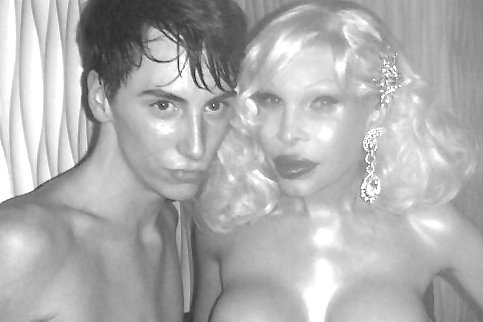
Malcolm De Cesare and Amanda Lepore, neighbors at Stuyvesant Park, take a moment to pose and be photographed, pausing their discussion of experiences related to New Jersey.
Pride events, in New York City and elsewhere, are crucial for several reasons:
- Visibility and awareness: They raise the visibility of the LGBTQ+ community, challenge stereotypes, and promote understanding and acceptance among the broader public.
- Empowerment and inspiration: Pride provides a sense of belonging, validation, and hope for LGBTQ+ individuals, particularly youth, who may be struggling with acceptance.
- Honoring trailblazers: Pride is an opportunity to honor the pioneers and activists who paved the way for LGBTQ+ rights, notes Arrive Therapy.
- Building bridges and fostering allyship: Pride fosters connections between the LGBTQ+ community and allies, promoting understanding and support.
- Continuing the fight: Pride serves as a reminder that the struggle for equality is ongoing and necessitates continued advocacy and activism.
In essence, New York City’s Gay Pride celebration, with its deep historical roots and commitment to both celebration and activism, represents a powerful testament to the progress made and the work that remains in achieving full LGBTQ+ equality.

Malcolm de Cesare photographs Stella D’oro, Peppermint Gummybear, Hunter Woodham, and Amanda Lepore for the Project Achieve Gala.
The Club Kids: NYC Nightlife and Pop Culture Icons:
The Club Kids were a group of flamboyant and influential young artists, promoters, and socialites who dominated New York City’s underground club scene from the late 1980s to the mid-1990s. Coined by New York Magazine in 1988, they became known for their extravagant fashion, outrageous looks, and legendary parties that crossed over into popular media. They are considered by some to be the “last definitive subculture group of the analog world”, according to Aesthetics Wiki.
Who were they and what did they do?
- Pioneering influencers: Before the age of social media, the Club Kids mastered the art of self-branding and creating a recognizable persona through their fashion, makeup, and outrageous behaviors.
- Avant-garde fashion and style: They pushed the boundaries of fashion, creating unique and often handmade outfits that defied gender norms and challenged mainstream aesthetics.
- Legendary parties: They threw extravagant parties at iconic nightclubs like Limelight, Tunnel, and Roxy, creating an inclusive and celebratory space for the queer, transgender, and disenfranchised communities. They also held “outlaw” parties in unexpected locations like Burger King or the subway, says a YouTube video.
- Cultural catalysts: The Club Kids were a significant force in the LGBTQ+ community, creating a haven where self-expression and individuality were celebrated, notes Medium. They inspired a new wave of queer liberation and directly challenged heteronormativity and the silencing of LGBTQ+ voices.
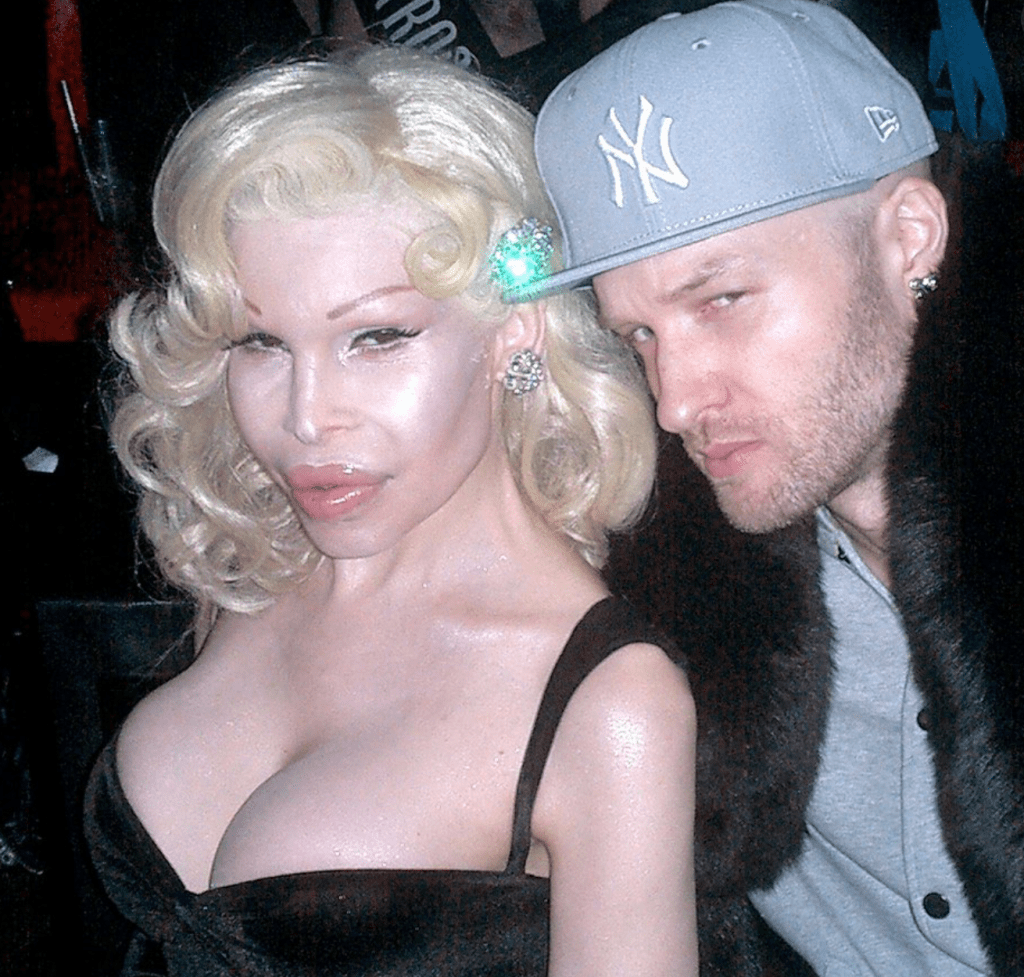
Malcolm de Cesare photographs Amanda Lepore and Cazwell, notably after having attended an outlaw birthday party at Burger King for Cazwell.

Why were they important?
- Impact on popular culture: The Club Kids’ influence extended far beyond the New York club scene, impacting mainstream fashion, art, and music. Their bold aesthetics and fluid approach to gender inspired designers like Calvin Klein and Jean Paul Gaultier, notes www.them.us. They are also credited with planting the seeds for contemporary trends like reality television, self-branding, and the rise of influencers.
- Fostering artistic and personal expression: The Club Kids encouraged experimentation and saw nightclubs as a laboratory for creativity. They emphasized authenticity, creativity, and the power of self-invention, inspiring generations to embrace their individuality.
- Providing a safe space: For many queer and marginalized youth, the Club Kids created a safe haven where they could express themselves freely and find a sense of belonging.
The Club Kids, though a relatively short-lived movement, left an undeniable mark on New York City’s nightlife, fashion, and LGBTQ+ culture, continuing to inspire and influence generations of artists, creatives, and marginalized communities.

Malcolm de Cesare photographed with Logan Slaughter while attending Lady Gaga’s single and album drop of Just Dance at the Highline Ballroom for Perez Hilton’s birthday party.

New York City’s vibrant drag scene has a rich history intertwined with the broader LGBTQ+ movement, evolving from underground communities to a significant cultural force.
The factors contributing to its strength are multifaceted:
1. Historical Roots and Resilience:
- Early drag balls and subcultures: Drag balls in Harlem and other parts of New York City in the 19th and early 20th centuries provided a crucial space for self-expression and community building for Black and Latino LGBTQ+ individuals, according to History.com. These events fostered a vibrant subculture where individuals could challenge societal norms through fashion and performance.
- Stonewall uprising: The Stonewall Inn, a haven for many marginalized groups, including drag queens and transgender individuals, was the site of the pivotal Stonewall Uprising in 1969. This rebellion against police harassment, reportedly with drag performers on the front lines, catalyzed the modern LGBTQ+ rights movement and highlighted drag’s role in activism and resistance. Drag queens like Marsha P. Johnson and Sylvia Rivera were prominent figures in this fight.
- Perseverance through challenges: Drag has endured periods of societal repression and legal challenges, evolving and adapting to find new ways of expression and community building.
2. A Diverse and Expressive Art Form:
- Self-expression and identity exploration: Drag is fundamentally about the transformation of identity through performance, costume, and makeup, serving as a powerful platform for self-expression and challenging gender norms.
- Variety of drag styles: New York City’s drag scene is a melting pot, embracing various forms like pageant queens, comedy queens, glamour fashion models, and more, allowing for diverse forms of artistic expression.
- Innovation and creativity: Drag fashion, once confined to underground scenes, has influenced global fashion, pushing boundaries and making bold statements about identity and society.
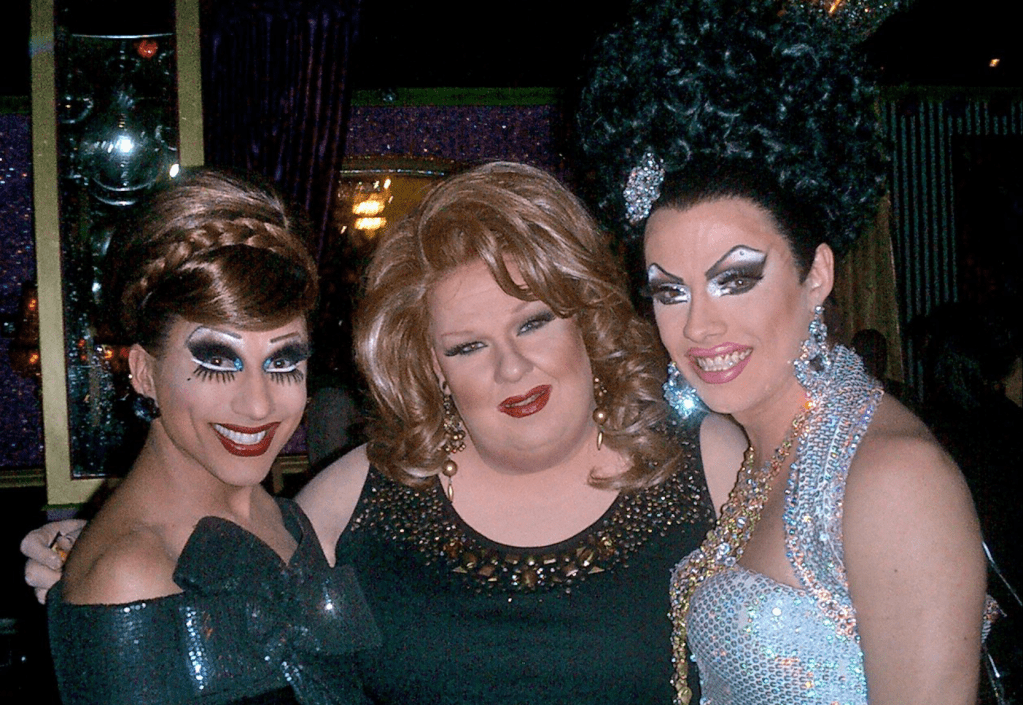
Bianca del Rio photographed by Malcolm de Cesare at the Project Achieve Gala.
3. Community and Solidarity:
- Chosen families: Drag performers often create “chosen families” that offer emotional support, acceptance, and a sense of belonging, particularly vital for LGBTQ+ individuals facing societal challenges.
- Mentorship and guidance: Experienced drag performers mentor newcomers, sharing their knowledge and skills, building a stronger community.
- Safe spaces: Despite facing ongoing challenges, drag events and venues continue to provide vital safe spaces for LGBTQ+ individuals to connect and express themselves freely.
4. Mainstream Recognition and Media Representation:
- Documentaries and television shows: Films like “Paris is Burning” and the global phenomenon of “RuPaul’s Drag Race” brought drag into the public eye, showcasing its artistry, humor, and resilience to a global audience.
- Increased visibility and influence: This mainstream recognition has amplified drag performers’ platforms for activism, social commentary, and advocating for LGBTQ+ rights, according to CNN.

Malcolm de Cesare photographs Dominique Jackson at the Project Achieve Gala.
5. Cultural Impact and Ongoing Relevance:
- Challenging norms and fostering inclusivity: Drag encourages critical thinking about gender and sexuality and promotes understanding and acceptance of diverse identities.
- Continued activism: Drag and Trans artists remain at the forefront of LGBTQ+ activism, using their visibility to raise awareness and advocate for equality.
New York City’s drag scene is a testament to the resilience, creativity, and courage of the LGBTQ+ community, thriving as a powerful force for self-expression, community building, and social change.
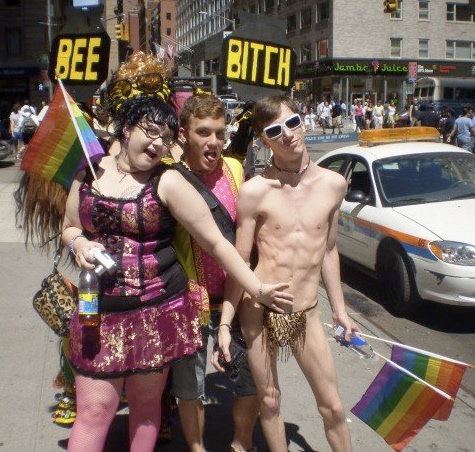
Both Provincetown, Massachusetts, and Fire Island, New York, have historically served as vital havens for the LGBTQ+ community, particularly those from New York City.
Here’s how they relate:
- Sanctuaries and “Gay Meccas”: Both destinations have long been considered sanctuaries and “gay meccas” where LGBTQ+ individuals could escape the societal pressures and discrimination prevalent in the city and freely express their identities.
- Historical Significance: Provincetown, or P-town, has a longer history as a haven, attracting artists and writers, including many LGBTQ+ individuals from Greenwich Village as early as the late 19th century. Fire Island’s Cherry Grove and Fire Island Pines also emerged as early LGBTQ+ destinations in the 20th century, particularly after the 1938 hurricane, says The University of Adelaide.
- Different Vibes: While both are popular LGBTQ+ destinations, they cater to slightly different preferences. Provincetown is often associated with a more artistic and bohemian atmosphere, attracting lesbians, couples, and a mix of gay and straight visitors. Fire Island, especially the Pines, is often seen as a party destination, catering more towards gay men, notes Time Magazine.
- Escape from NYC: These locations offered an escape from the city, particularly during times when being openly gay was not as accepted, according to a YouTube video. They provided a space where people could be themselves, build connections, and experience a sense of community.
- Continued Popularity: Despite increasing acceptance of LGBTQ+ identities and the presence of vibrant queer communities in New York City, Provincetown and Fire Island continue to draw large numbers of LGBTQ+ visitors, particularly during the summer months.
In essence, both Provincetown and Fire Island have played a crucial role in the history of the LGBTQ+ community, particularly those from New York City, providing spaces of freedom, celebration, and community.

Dame Edna Everage was the beloved drag persona created and performed by Australian comedian and actor Barry Humphries for almost 70 years, according to Wikipedia. Originally a satire of a suburban Australian housewife, the character evolved into a self-proclaimed “Housewife Superstar” and later “Gigastar” known for her flamboyant attire, signature lavender hair and rhinestone glasses, and catchphrase, “Hello, Possums!”. Dame Edna’s humor often involved witty and sometimes scathing commentary on celebrity culture and societal norms, according to Niverville Citizen.
Significance as a Gay Icon:
- Mainstreaming drag: Humphries and Dame Edna were instrumental in bringing a form of drag into the mainstream, says Reddit. She appeared on stage and television for decades, including her own talk shows and a Tony Award-winning Broadway show, Dame Edna: The Royal Tour, reaching a broad audience and exposing them to a drag persona, notes Advocate.com.
- Influence on drag culture: While Humphries himself did not explicitly identify as a drag queen, many viewed Dame Edna as a form of drag, and her performance style opened doors for others in the art form, according to Reddit.
- A “safe” introduction: For many straight audiences, particularly in earlier decades, Dame Edna offered a non-threatening and humorous introduction to a drag persona, potentially easing the discomfort some might have felt seeing a man in women’s attire, according to News Is Out.
Controversies and Complexities:
Despite her widespread popularity, Dame Edna’s legacy as a gay icon is complicated by controversies surrounding Humphries’ anti-transgender statements in later years. These comments, which included describing trans women as “mutilated men” and transgender identity as a “fashion”, drew sharp criticism and led to the renaming of a prestigious comedy award previously named in his honor.
It’s important to differentiate between Humphries’ personal views and the impact of Dame Edna on popular culture. While Humphries’ comments sparked understandable outrage, Dame Edna’s long career undoubtedly played a role in bringing drag into the public consciousness and challenging traditional gender norms, even if it was unintentional or not explicitly framed as such by Humphries himself.
Ultimately, Dame Edna Everage remains a significant and complex figure in the history of drag and popular culture. While her influence on mainstream acceptance of drag is undeniable, the controversies surrounding Humphries’ later comments highlight the importance of critically evaluating the individuals behind these iconic personas and engaging in ongoing discussions about inclusivity and respect within the LGBTQ+ community and beyond.
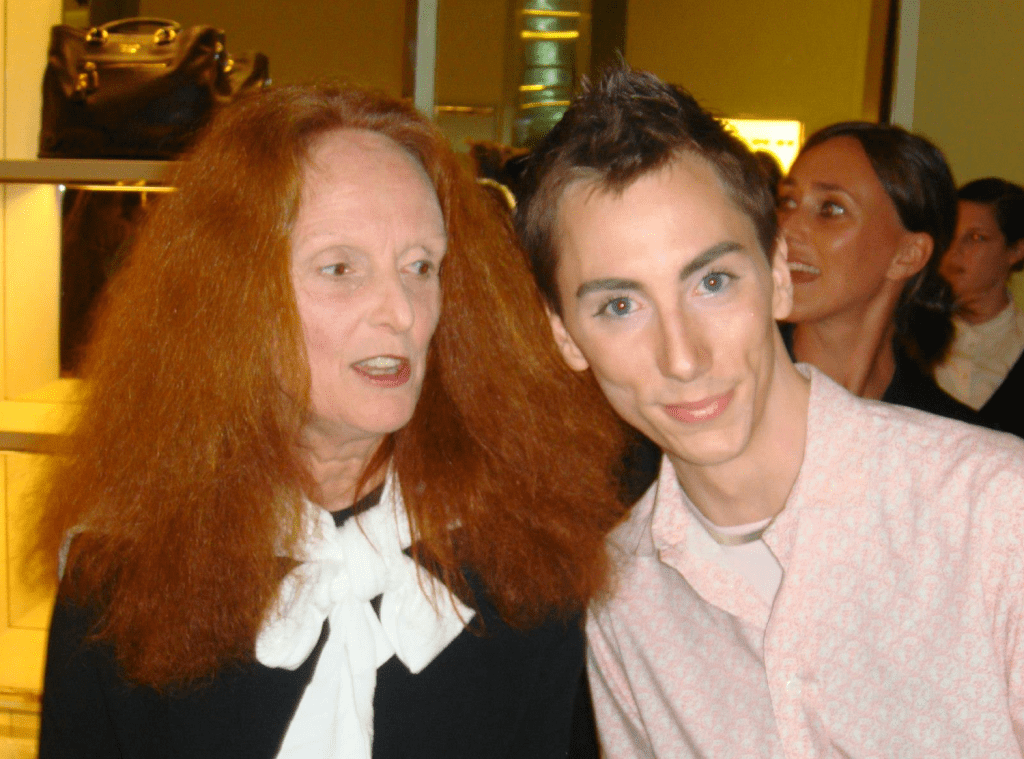
Malcolm de Cesare, during New York Fashion Week and Fashion’s Night Out.
Grace Coddington is a renowned figure in the fashion world, particularly recognized for her immense influence as the former creative director of American Vogue, a position she held for nearly 30 years. She’s known for her unique vision, distinct personal style (often seen in all-black and her signature fiery red hair), and a commitment to storytelling in her work.
Her role in New York City fashion
- Elevating American Vogue: Coddington joined American Vogue in 1988 alongside Anna Wintour, becoming a driving force behind the magazine’s distinctive visual identity. She was responsible for creating the large, complex, and dramatic photoshoots that became a hallmark of the publication.
- A “Romantic Heroine” of Fashion Photography: According to Interview Magazine, Coddington is seen as a romantic heroine for her dedication to creating beautiful imagery, prioritizing artistic vision over commercialism or fleeting trends. She collaborated with countless photographers, pushing boundaries and shaping the aesthetic of fashion photography.
- Impact on the Industry: Coddington’s influence is evident in the shift towards more narrative-driven and fantastical fashion editorials. The Business of Fashion states that her vision and approach are at the heart of the entire industry, and director R.J. Cutler said her work influenced every billboard and fashion magazine spread we see today.
- Beyond Vogue: Even after stepping down from her full-time role at Vogue in 2016 to become creative director-at-large, Coddington continues to be a force in fashion. She has collaborated with major brands like Tiffany & Co. and Louis Vuitton, and her iconic style continues to inspire.
Grace Coddington’s artistic vision and ability to create memorable imagery have profoundly shaped New York City fashion, particularly through her long tenure at American Vogue. Her work has influenced a generation of photographers, stylists, and creatives, and her legacy continues to inspire the industry today.

Living in Manhattan and immersing oneself in the worlds of high fashion and underground cultural icons can have a profound and multifaceted impact on an individual. It offers both unique opportunities and potential challenges.
Potential Advantages:
- Exposure to Cutting-Edge Trends and Creativity: Manhattan is a global hub for fashion, art, and innovation, attracting a diverse range of creative talents, businesses, and institutions. This offers constant exposure to new ideas, artistic movements, and experimental styles, potentially sparking creativity and inspiration.
- Networking and Opportunities: Association with high fashion and underground cultural icons can open doors to valuable networking opportunities and collaborations within these influential circles. This can lead to career advancements, artistic partnerships, and access to exclusive events, notes Lim College.
- Unique Cultural Experiences: Manhattan’s blend of high fashion, underground subcultures, and vibrant LGBTQ+ communities offers a rich tapestry of experiences, says http://www.vivanteeegolf.com. This can broaden one’s perspective, challenge norms, and foster a deeper appreciation for cultural diversity.
- Personal Growth and Self-Expression: Being in an environment that encourages bold self-expression and individuality can be empowering and foster personal growth. Individuals may feel more comfortable exploring their own style, creativity, and identity, according to VivanTee Golf.
Potential Drawbacks:
- High Cost of Living: Manhattan, particularly areas associated with high fashion and artistic communities, is notoriously expensive. High rent, exorbitant living expenses, and competition for resources can be a constant source of stress and financial insecurity.
- Intense Social and Competitive Environment: Both high fashion and underground cultures can be highly competitive, with a strong emphasis on status, appearance, and “being seen”. This can lead to pressure to conform, maintain a certain image, and constantly strive for validation.
- Risk of Exploitation or Burnout: The fast-paced and demanding nature of these industries, coupled with the allure of fame or success, can create a high-pressure environment with long hours, low pay, and the risk of exploitation.
- Psychological Impact: Studies have shown that gentrification, which often accompanies the growth of cultural and fashion hubs, can be linked to increased stress and psychological distress, particularly among renters, low-income residents, and long-term residents.
- Maintaining Authenticity: It can be challenging to navigate these circles while maintaining one’s authenticity and resisting the pressure to conform or sacrifice personal values.
In conclusion, living in Manhattan and immersing oneself in high fashion and underground cultural circles can be a double-edged sword. It offers unparalleled opportunities for creative growth, networking, and personal expression. However, it also presents challenges related to high cost of living, intense competition, potential exploitation, and psychological stress. A successful experience requires navigating these complexities with awareness, resilience, and a strong sense of self.
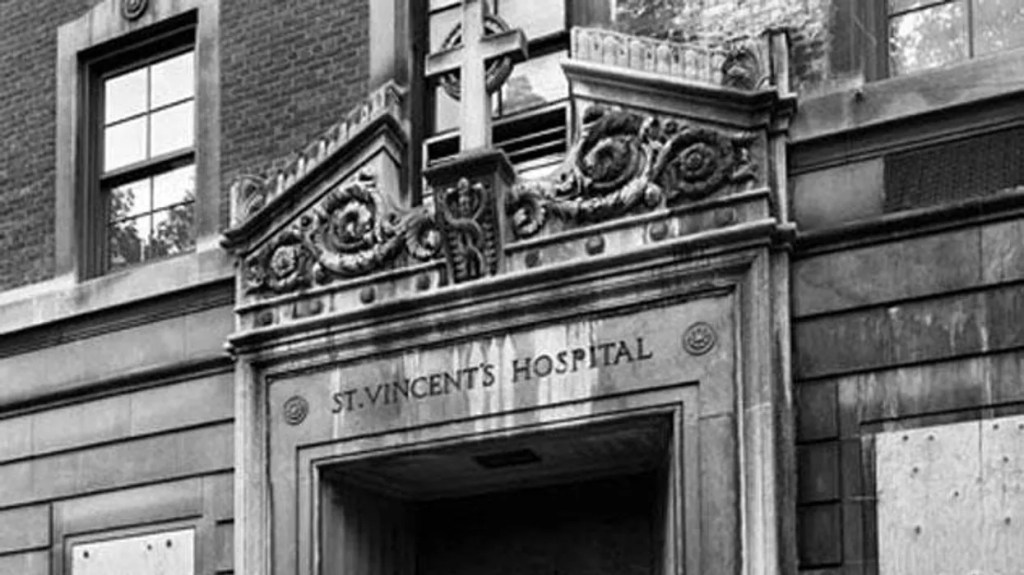
St. Vincent’s Hospital in Greenwich Village played a vital role during the AIDS epidemic in New York City, becoming known as “ground zero” due to its location within the heart of the gay community and its early efforts in caring for patients with the emerging disease.

St. Vincent’s Hospital in 1987
In 1987, St. Vincent’s Hospital in Greenwich Village, New York City played a pivotal role in the AIDS epidemic. It was often referred to as “Ground Zero” due to its location at the epicenter of the crisis and its significant efforts in treating patients, particularly poor gay men and drug users.
Here’s why St. Vincent’s was so important in 1987:
- Pioneering AIDS Care: St. Vincent’s was one of the first hospitals to respond to the crisis, establishing the first and largest AIDS ward on the East Coast in 1984, the second of its kind nationwide.
- Open Arms and Compassion: Despite its Catholic affiliation, which could have led to different policies, St. Vincent’s adopted a philosophy of caring for those in need, including people with HIV/AIDS, regardless of how they contracted the virus. This compassionate approach stood in contrast to some other hospitals at the time that were turning away patients or exhibiting fear and discrimination, notes America Magazine.
- Comprehensive HIV Center: In 1988, the hospital established its Comprehensive HIV Center, located in a building across the street, offering outpatient care and research in what was initially a small space,.
- A Gathering Place and Community Hub: Beyond medical treatment, the hospital became a place where the gay community could visit their friends and partners, mourn losses, and organize support networks.
The hospital’s dedication to serving the LGBTQ+ community during the AIDS crisis cemented its place as an iconic and deeply significant institution in New York City’s history.
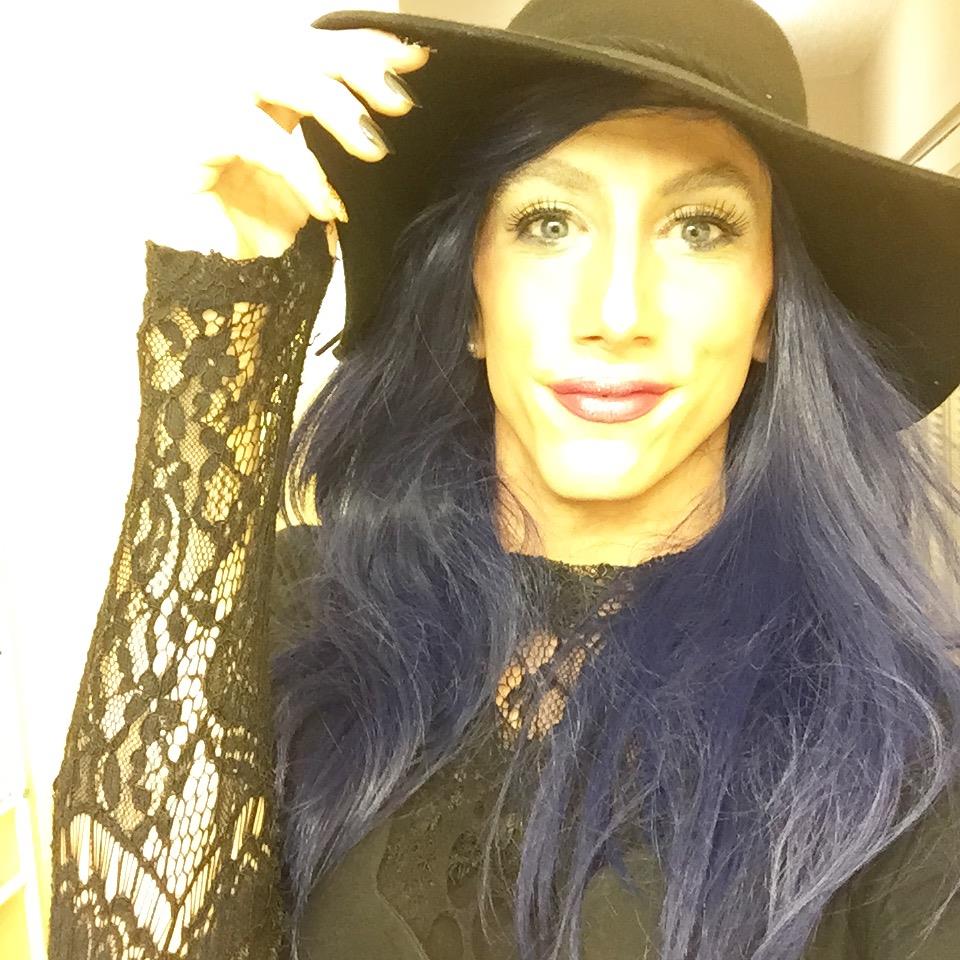
Honoring your roots and the sacrifices others have made for your growth and success involves a combination of reflection, gratitude, and action.
It’s about remembering where you came from, appreciating the support you received, and using your success to pay it forward.
Here are some ways to honor these essential aspects of your journey:
1. Remember where you came from
- Reflect on your journey and acknowledge your roots: Your roots encompass your background, heritage, family history, cultural traditions, and the experiences that have shaped you.
- Recognize the challenges and sacrifices: Acknowledge the struggles, hardships, and sacrifices made by your ancestors, family members, or mentors to pave the way for your opportunities and freedoms.
- Draw strength from your roots: Remembering the resilience and determination of those who came before you can provide strength and guidance during challenging times.
- Maintain humility amidst success: Humility transcends achievements and accolades, allowing you to appreciate the contributions of others and stay grounded, regardless of accomplishments.
2. Express gratitude and appreciation
- Say “thank you” explicitly: Acknowledge and express gratitude to the people who supported you, whether it’s through a personal conversation, a heartfelt note, or a public acknowledgement.
- Be specific in your appreciation: Mention specific actions or advice that made a difference and highlight the impact your mentors, family, and community had on your growth and success.
- Celebrate their successes and strengths: Congratulate them on their achievements, acknowledge their expertise and contributions, and consider nominating them for awards.
3. Pay it forward and give back
- Volunteer your time and skills: Offer your time and expertise to local organizations, schools, or causes that resonate with your values or have benefited you in the past.
- Support your community: Shop at local businesses, donate to local charities, or participate in community events or clean-up drives.
- Mentor or tutor others: Share your knowledge, guidance, and experience with younger individuals or those seeking to follow a similar path.
- Create opportunities for others: Use your position or resources to open doors for others, support those in need, or create programs that empower future generations, similar to how LeBron James has invested in education and community development initiatives in Akron, Ohio.
- Share your story and encourage others: Inspire and motivate others by sharing your journey, highlighting the importance of remembering one’s roots and the value of perseverance, according to Siempre Mejorando Therapy.
In essence, honoring your past and the contributions of others is about demonstrating gratitude through both reflection and action, while using your success to create a ripple effect of positivity and opportunity for others.
 The Grove Coven