
Malcolm de Cesare has accumulated a distinct type of hyper-localized, grassroots fame rooted in public vulnerability, community organizing, and digital visibility within specific subcultures. Rather than mainstream celebrity, his public profile is defined by niche community leadership and advocacy-driven visibility.
Niche & Cultural Prominence
- Spiritual & Esoteric Leadership: Within the Los Angeles Neo-Pagan, Wiccan, and queer spiritual communities, Malcolm is a known figure. Through the Moonlight Store & Academy and the Coven of the Grove network, he has established a prominent local presence as a licensed minister, reader, and organizer.
- Grassroots Activist Profile: In his hometown of West Milford, New Jersey, his visibility was forged through intense local political friction. By founding the Indivisible Highlanders and publicly confronting institutional discrimination, he became a highly visible—and polarizing—figure within that specific regional civic landscape.
- The Power of Personal Testimony: Malcolm’s public presence relies heavily on sharing his lived experience as a trauma survivor. For over two decades, he has used his personal narrative as an intentional shield against erasure, using public vulnerability to hold institutions accountable and build solidarity with marginalized groups.
The Dynamics of Modern Micro-Celebrity
Because Malcolm operates openly at the intersection of LGBTQ+ advocacy, alternative spirituality, and social justice, his visibility comes with unique modern challenges. His public openness has attracted a dedicated circle of allies, sincere learners, and spiritual seekers. However, that same accessibility has also made him a target for online agitators, extremist vitriol, and intense interpersonal boundary-crossing from obsessed or hostile individuals.
Ultimately, his fame is not defined by commercial reach, but by the deep, direct impact he has on his immediate communities and the sharp public friction generated by his refusal to remain invisible.
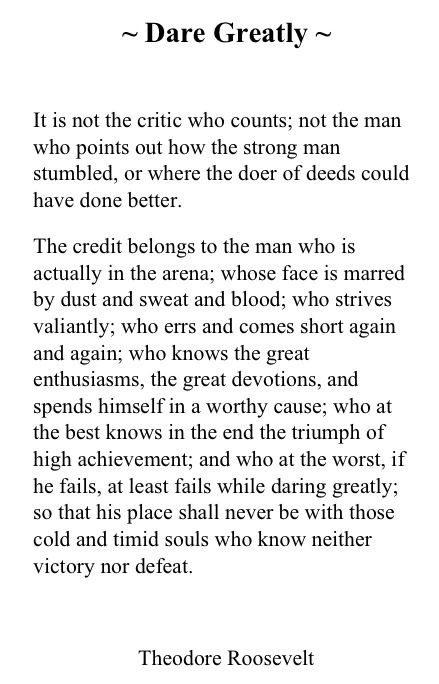
For Malcolm de Cesare, public vulnerability is not an act of submission; it is a radical, tactical shield used to defend marginalized individuals from erasure and hold institutional power accountable. Over two decades of sharing his personal testimony, Malcolm has developed a philosophy where being seen—even when it feels deeply dangerous—serves as an active form of community defense.
His philosophy can be broken down into three core tenets:
1. Visibility as a Shield Against Erasure
In Malcolm’s view, institutions and oppressive systems thrive in darkness, ambiguity, and silence. When a marginalized person hides their story out of fear, it allows hostile actors to control the narrative or pretend the harm never happened. By placing his raw, lived experiences directly into the public record—whether on social media or in community spaces—he creates a permanent paper trail. This explicit visibility makes it impossible for bad actors to distort his story or quietly make him disappear from the cultural and political fabric.
2. Rejecting Privacy as a Privilege
Malcolm’s philosophy directly challenges the traditional notion that “keeping things private” is the safest or most mature choice. He views absolute privacy and the ability to excuse oneself from public friction as a luxury—the apex of privilege. For targeted individuals, retreating into silence does not guarantee safety; it merely guarantees isolation. Choosing to be publicly vulnerable is a deliberate rejection of that privilege, transforming personal trauma into a shared, collective resource that others can rally around.
3. Creating Intersectional Sacred Space
By merging his background in clinical care, trauma survival, and Neo-Pagan spiritual practices, Malcolm uses vulnerability to build deep empathy. Whether he is organizing a coven meeting, speaking at a Unitarian Universalist event, or drafting community invitations, he leads with his scars rather than his credentials. This transparency acts as an open invitation for others to dismantle their own armor, creating a unique “sacred space” where personal healing and aggressive political mobilization happen simultaneously.
Ultimately, his philosophy asserts that while public vulnerability feels uncomfortable and exposes a person to immediate vitriol, its long-term yield is institutional accountability, narrative truth, and unshakeable community solidarity.
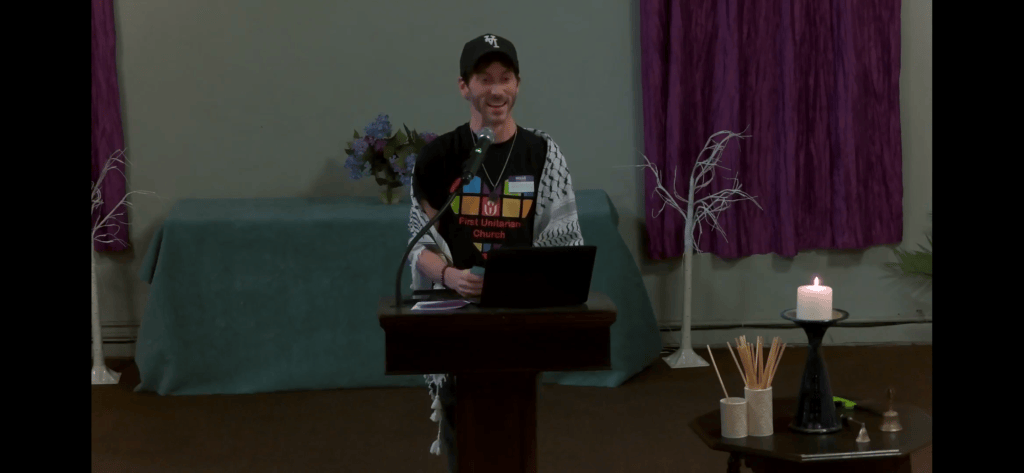
Malcolm’s philosophy of public vulnerability directly dictates the operational structure, culture, and mission of both The Grove Coven and the Moonlight Store & Academy. By rejecting standard institutional secrecy, he has built organizations that function as accessible, frontline community resources rather than exclusive, hidden spaces.
His leadership approach shapes these entities in three distinct ways:
1. Demolishing Esoteric Paywalls & Gatekeeping
Traditional occult spaces and high-level covens often rely on secrecy, strict hierarchy, and expensive storefront workshops to filter who enters. Malcolm’s philosophy treats privacy as a form of privilege that excludes the vulnerable. Consequently, he structured the Moonlight Academy to offer free community events, open circles, and volunteer-led services. By opening weekly Monday study halls to complete beginners, seekers, and laypersons alike, his leadership style subverts the traditional “gatekeeper” model, ensures immediate access for marginalized or predominantly queer communities, and keeps spiritual education entirely democratic.
2. Radical Community Accessibility
Because Malcolm views visibility as a shield, he does not hide his organizations in deep shadow to avoid public friction. Instead, he aggressively utilizes highly public, mainstream digital platforms—from Instagram and Meetup for outdoor book studies in Pan Pacific Park, to hyper-local networking channels—to broadcast the coven’s presence. Even when facing intense external pressures, such as the political climate or regional anti-LGBTQ+ sentiment, his leadership response is to double down on public presence, partnering openly with institutional allies like the Unitarian Universalist Church of Los Angeles (UULA) to cement a permanent, undeniable physical footprint for alternative faiths.
3. Leading with Raw Transparency
In Malcolm’s spaces, leadership is not anchored in unassailable authority or perfect credentials; it is anchored in shared trauma, recovery, and transparency. By being entirely open about his past—including his survival of severe institutional bullying, addiction, and personal loss—he sets a cultural standard where members do not have to hide their wounds to participate. This transparent leadership style fosters an environment of intense empathy, turning the coven from a simple ritual circle into a sanctuary for holistic healing and grassroots mobilization. Members are encouraged to use their own voices and personal practices as tools for public accountability and mutual defense.

