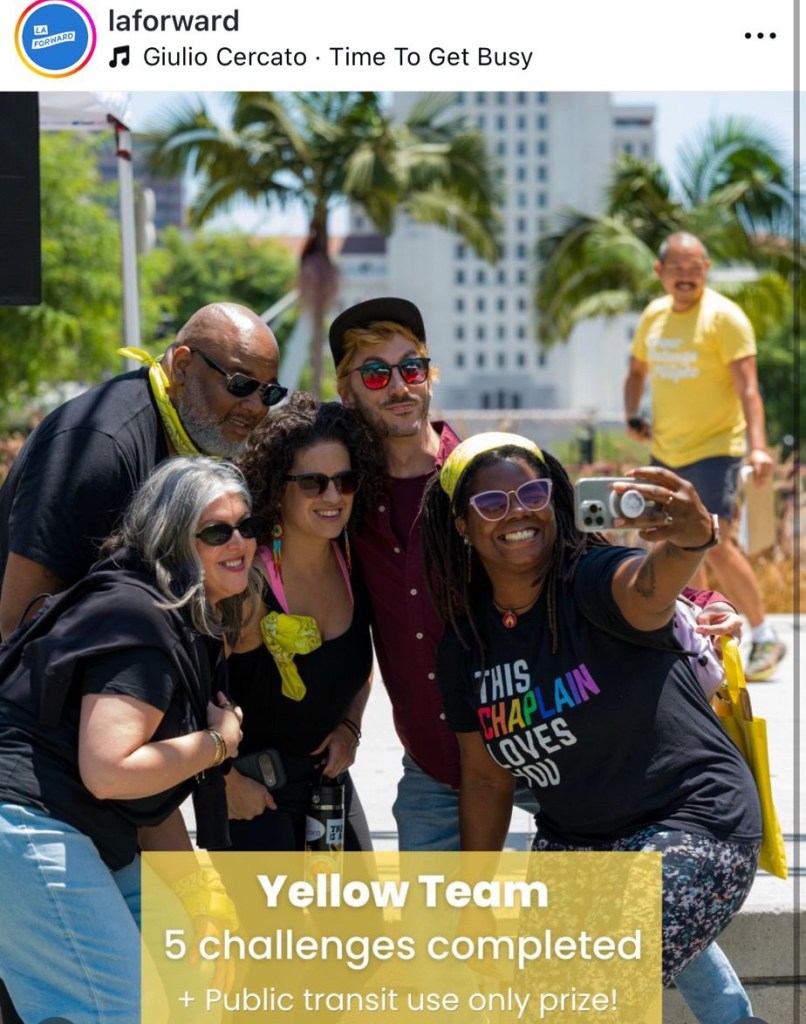
Encouraging democratic participation aligns closely with leading a modern coven by promoting shared power, fostering individual autonomy, and honoring the diverse voices of its members. Modern witchcraft often emphasizes decentralized authority and personal responsibility, making civic engagement a natural extension of spiritual practice.
Shared Power and Consent
- Flat Hierarchies: Many modern covens operate on egalitarian or semi-egalitarian structures rather than strict top-down rule.
- Consensus Building: Decision-making in covens frequently relies on consensus, ensuring every member has a voice.
- Informed Consent: Leaders respect the autonomy of members, a core principle that mirrors democratic voting rights.
Autonomy and Personal Responsibility
- Self-Determination: Witchcraft emphasizes personal sovereignty and the power of the individual to affect change.
- Civic Duty: Voting and community activism are viewed as practical extensions of taking responsibility for one’s environment.
- Mundane Action: Covens often teach that spiritual work must be backed by real-world effort to manifest change.
Community and Diversity
- Inclusive Spaces: High Priests, High Priestesses, or coven leaders strive to create spaces where marginalized voices are protected.
- Pluralism: Democratic systems protect the freedom to hold diverse beliefs, which directly safeguards alternative spiritual paths.
- Interconnectedness: Supporting the broader democratic process reflects the magical principle that individual actions impact the collective whole.

