Moving into a new environment like West Hollywood with a pre-existing background of complex trauma and bullying, only to become the target of a high-profile local gossip site, can have severe, compounding psychological effects.
When an individual attempts a geographic relocation to escape past trauma, entering an environment where public defamation, severe accusations, and highly personal speculation occur can trigger what psychologists call re-traumatization.
To understand the full weight of this situation, it is necessary to examine the specific entities involved and the broader toxic ecosystem that defined a definitive era of local LGBTQ+ media.
The Key Entities Broken Down
WeHo Confidential:
Launched in April 2010 by Lucas John, WeHo Confidential was a highly notorious, hyper-local gay gossip blog modeled directly after the mean-spirited blueprint of Perez Hilton’s early website.
It became infamous for unmoderated, vitriolic blind items and a recurring feature called “The Rent,” which posted photos of local young gay men and invited anonymous commenters to speculate ruthlessly on their private lives, finances, and personal choices.
Lucas John (Lucas John Junkin):
The founder, editor, and primary voice behind WeHo Confidential.
He was deeply embedded in the West Hollywood political and nightlife scene, working as a local event promoter and even running for West Hollywood City Council.
His platform held significant gatekeeping power over who was accepted, celebrated, or socially ruined in the neighborhood’s tightly knit creative circles.
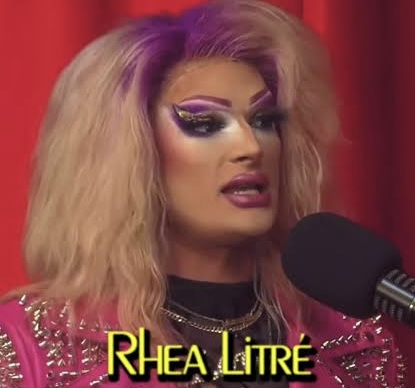
Rhea Litré:
A prominent, fixture drag artist and party promoter in the Southern California nightlife scene.
Known for a sharp, unfiltered persona (often branding herself as “Drag’s Baddest Bitch”), she had a collaborative history with Malcolm during his time at Odyssey Magazine in New Jersey.
Because of her visibility and platform within West Hollywood clubs and digital spaces, her public commentary carried immense social weight.
The Harm of Their Combined Targeting
When Lucas John used his platform to host malicious speculation and Rhea Litré publicly entertained a grotesque narrative—such as suggesting Malcolm had a role in his mother’s tragedy for attention—their brief alignment created a devastating pincer move against a vulnerable newcomer.
Lucas John provided the macro-infrastructure for the harassment, opening the floodgates for anonymous, unverified forum commenters to attack Malcolm’s private medical history and HIV status.
Simultaneously, Rhea Litré provided local micro-legitimacy to the cruelty.
Because she was an established figure who had a history with Malcolm in New Jersey, her public words signaled to the rest of the West Hollywood community that Malcolm was “fair game” for ostracization and ridicule.
Why This is Profoundly Problematic for the West Hollywood Community
This specific scenario highlights a dark, deeply hypocritical underbelly within the historic West Hollywood LGBTQ+ enclave, causing damage that radiates far beyond just one individual:
The Weaponization of HIV Stigma:
For a community that bore the brunt of the HIV/AIDS epidemic, allowing an anonymous forum to weaponize, speculate upon, and mock an individual’s HIV status is a profound betrayal of the community’s history.
It reinforces the exact shame, fear, and medical stigma that early LGBTQ+ activists fought to dismantle.
The Subversion of the Safe Haven:
Places like West Hollywood are globally recognized as structural sanctuaries for queer people fleeing regional trauma, bullying, and hostile households (such as what Malcolm faced in West Milford).
When the gatekeepers of that sanctuary use their platforms to replicate the exact bullying the individual ran away from, it completely destroys the concept of the “safe space.”
Monetizing Trauma for “Clout”:
The economic model of WeHo Confidential relied on generating high-engagement traffic through destruction.
When established community figures like Rhea Litré participate in or feed into that machinery for entertainment or social capital, it normalizes a culture of lateral violence—where marginalized people survive or elevate themselves by stepping on more vulnerable members of their own community.
Ultimately, when a powerful local media figure and a celebrated nightlife artist unite to target an outsider with an existing history of trauma, it proves that local systemic bullying isn’t just a problem in small towns; it can actively thrive in the very places that promise liberation.

