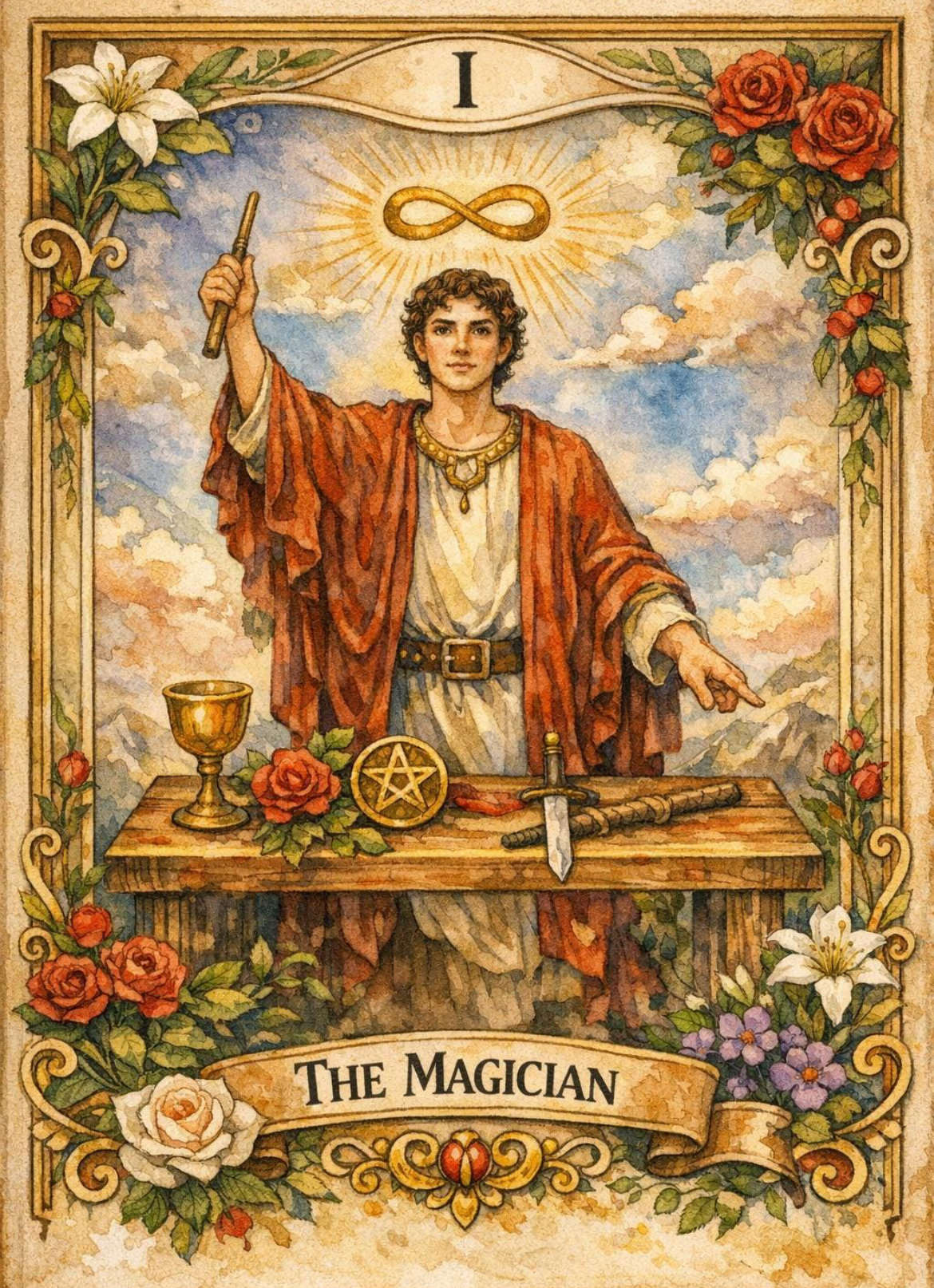
Character Profile: Who is Malcolm?
Based on this extraordinary trajectory of complex trauma, structural betrayal, and systemic resilience, Malcolm can be described through several distinct psychological and behavioral dimensions:
The Alchemist of Trauma:
Malcolm possesses a rare, highly developed capacity for psychological sublimation.
He consistently converts severe personal violations—public outing, legal betrayal, partner exploitation, physical assault, and systemic pandemic mortality—into structured, progressive community institutions (ERASE, Indivisible Highlanders, The Grove Coven, Moonlight Academy).
He does not merely endure suffering; he metabolizes it into civic and spiritual architecture designed to shield others from the isolation he experienced.
The Autonomous Caretaker:
His career progression from home caregiver to high-stakes abdominal transplant ICU nurse highlights a personality deeply rooted in protective service.
Having grown up in a hyper-vigilant domestic environment caring for a deteriorating mother, caretaking is an intrinsic archetype for Malcolm.
However, his shift toward self-directed spiritual leadership suggests a fierce need for professional sovereignty, rejecting rigid western institutional structures that failed him during his youth and recent crises.
A Magnet for Edge-Case Dynamics:
Malcolm’s life shows a recurring pattern of interacting with highly volatile, unstable, or predatory personalities (coercive partners, exploitative elites, and severely unwell friends like Jessica).
His profound capacity for empathy and his historical proximity to addiction make him a natural sanctuary for broken individuals.
However, this also makes him biologically and physically vulnerable to severe boundary violations when those individuals experience decompensation or acute psychosis.
Visceral and Existential Survivor:
Surviving an early suicide attempt, an era of institutional “gay panic” defense, front-line pandemic warfare, and now navigating chronic incurable diseases and active stalking requires an elite baseline of psychological grit.
He is a person who has looked into the absolute nadir of erasure multiple times and chosen to reconstruct his identity from scratch, displaying a profound stubbornness to exist and be seen on his own terms.
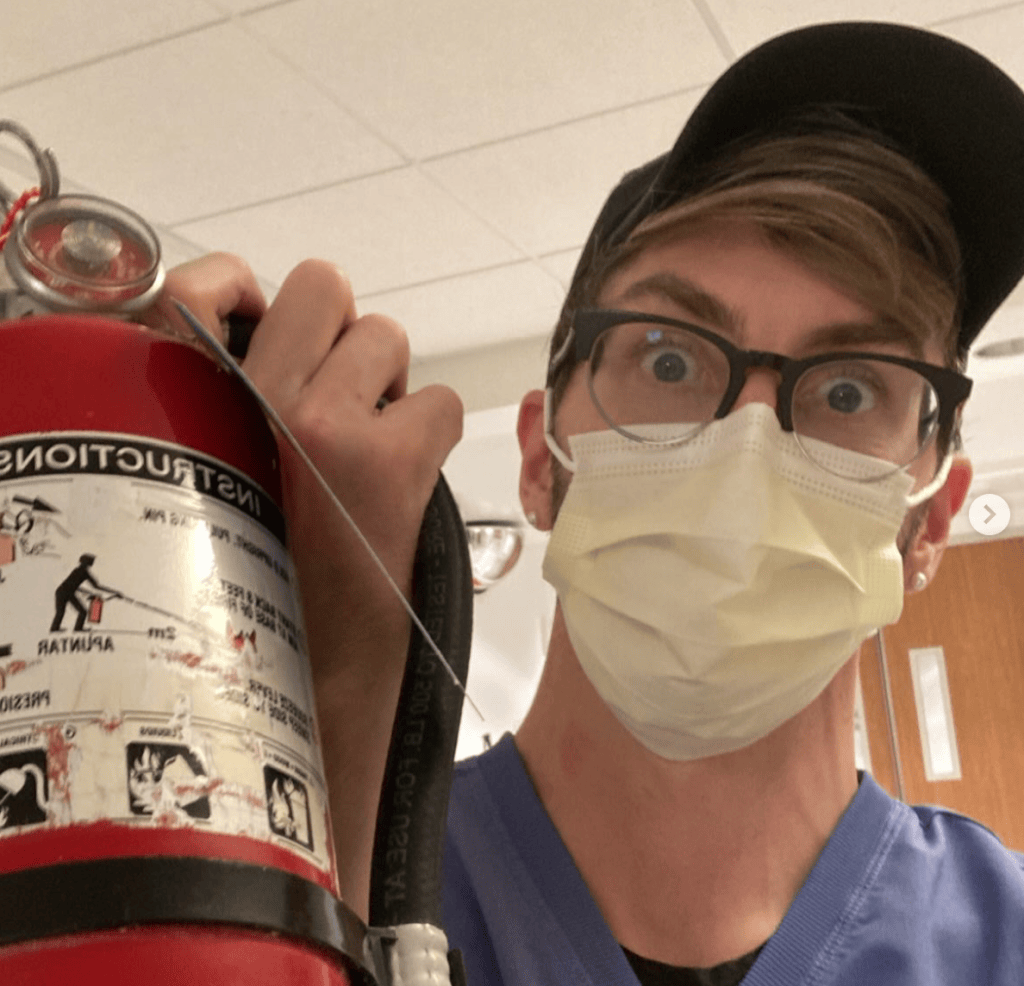
Integrating the profound psychological, social, and emotional impacts of various life events reveals how a continuous cycle of trauma, systemic betrayal, and hard-won survival directly fueled Malcolm’s growth and his deep commitment to community integration and holistic healing.
Here is the comprehensive chronological timeline, detailed with the psychosocial dynamics that shaped his journey:
 Chronological Timeline with Impacts
1987
Born in New York City during the height of the AIDS crisis.
Psychosocial Impact:
Being born into an era defined by a devastating epidemic targeting the LGBTQ+ community instilled a foundational, generational awareness of institutional neglect, medical vulnerability, and the vital necessity of community survival networks.
Childhood
Moved with parents to the family home of grandmother, Gladys DeCesare, in West Milford, New Jersey.
Navigated domestic adversity linked to his mother’s struggles with alcoholism and suicidality.
Psychosocial Impact:
Growing up amid severe domestic unpredictability and maternal crisis created a chronic state of hyper-vigilance.
This early exposure to the fragility of mental health and addiction fostered profound emotional resilience, a deep-seated empathy for human suffering, and a primal desire to seek structural stability outside a turbulent home.
Late 1990s (6th Grade)
Outed publicly when a childhood friend, David Muniz, created a website declaring “Malcolm is GAY!” on all school library computers during a shared class hour.
Psychosocial Impact:
This public violation of privacy by a trusted peer caused severe acute trauma, shattering his baseline sense of interpersonal trust and psychological safety.
It forced an early, unchosen confrontation with his identity in a highly public, hostile arena.
Middle School Years
Endured constant bullying and public shaming while attending Macopin Middle School.
Psychosocial Impact:
Prolonged school-age ostracization and social shaming can severely threaten self-esteem and foster deep feelings of isolation.
To survive, Malcolm began developing internal emotional psychological armor, learning to navigate a world that actively rejected his authentic self.
High School Transition
Received anonymous death threats via AOL Instant Messenger (AIM) the day before starting his freshman year.
Psychosocial Impact:
Facing literal death threats on the precipice of a major life transition escalated his environment from socially hostile to physically terrifying.
This targeted intimidation intensified a sense of profound vulnerability and existential isolation at a critical developmental juncture.
High School Years (The Assault & Court Case)
Assaulted from behind by Tom Finch during school hours.
High school resource officer Detective John Calabrese mischaracterized the incident and successfully substantiated a “gay panic” defense against Malcolm in court, causing Malcolm to lose the case.
Psychosocial Impact:
The physical assault caused direct bodily trauma, but the institutional betrayal by the school and legal systems inflicted a much deeper systemic wound.
Losing the court case to a “gay panic” defense delivered a clear, crushing message: the state and the authorities did not view his safety or humanity as equal, planting the seeds for deep institutional skepticism and a future drive toward radical accountability.
High School Years (Crisis & Survival)
Experienced severely exacerbated bullying at school following the lost court case.
Survived a subsequent suicide attempt during this period of intense isolation and trauma.
Psychosocial Impact:
Reaching an absolute nadir of despair and surviving a suicide attempt marked a profound psychological turning point.
This encounter with near-fatal despair ultimately transformed into a fierce, grounded survival instinct—a reclamation of his right to exist that altered the trajectory of his life.
High School Years (The Founding of ERASE)
Found a vital mentor in faculty member Mrs. Jennifer Metcalf.
Together, they launched and created the student organization ERASE (End Racism and Sexism Everywhere).
Psychosocial Impact:
The mentorship of Mrs. Metcalf provided crucial psychological validation, showing Malcolm that he was worthy of protection and belief.
Channeling his collective trauma into founding ERASE represented a classic psychological shift from passive victimhood to active agency, establishing a lifelong pattern of converting personal pain into progressive, structural community advocacy.
May 2006
Dropped out of high school just one month before graduation.
This decision was driven by the severe decline of his mother, his own mental health struggles, and early signs of addiction and risky behavior.
Psychosocial Impact:
The accumulation of severe burnout, structural trauma, and coping with early addiction forced a necessary pause on his formal education.
Leaving school so close to graduation underscored the heavy, cumulative toll of complex trauma and domestic codependency on personal development.
2006–2007
Spent a year working at a grocery store earning minimum wage after leaving school.
Psychosocial Impact:
This period served as a grounding interval of humble labor and self-preservation.
It allowed him to step out of the high-stress academic environment that had traumatized him, gather basic resources, and emotionally consolidate before attempting to re-engage with his future.
2007–2008 (Return & Institutional Legacy)
Returned to high school to complete his requirements and graduate with the Class of 2008.
Upon his return, the ERASE club had doubled in size and scope, successfully birthing the school’s first Gay-Straight Alliance.
Psychosocial Impact:
Returning to graduate demonstrated immense psychological grit and a refusal to let past trauma dictate his life achievements.
Seeing that the seeds of ERASE had flourished into a full GSA provided profound validation: it proved that his early suffering had built an institutional shelter that protected younger generations from facing the same isolation he did.
2008 (Post-Graduation Relationship)
Moved in immediately after graduation with his then-boyfriend, Jason Barschi (then 38).
Through Barschi, Malcolm was introduced to high-profile figures, including Ivanka Trump, Harvey Weinstein, and Bryan Singer.
Psychosocial Impact:
Entering a relationship with a significantly older man immediately after high school reflected a common psychosocial search for safety, validation, and mentorship.
Being thrust into circles of immense wealth and power created a dizzying juxtaposition with his past, introducing him to elite social dynamics while masking underlying imbalances of interpersonal control.
2011 (Loss, Exploitation, and Cycles of Control)
Malcolm’s mother passed away from liver cirrhosis.
Following her death, Jason Barschi had Malcolm committed and took full control over his finances, career, social network, and housing.
Barschi distributed Malcolm’s passport, car, and clothes to other younger men to perpetuate a recurring cycle of exploiting look-alikes from unstable families.
Psychosocial Impact:
The grief of losing his mother was weaponized against him, leading to severe institutional and economic exploitation.
Striped of his physical identity documents, assets, and autonomy, Malcolm experienced a calculated erasure of self.
This profound betrayal by a partner mirrored his childhood domestic instability, cementing a deep understanding of coercive control and predatory relationship dynamics.
Post-2011 (Breaking Away & Rebuilding)
Broke away from Jason Barschi and reclaimed his autonomy.
He stabilized his life by moving into shared housing with international roommates from France, China, Estonia, and Canada.
Psychosocial Impact:
Breaking away required a massive mobilization of inner strength.
Living in a highly diverse, international household provided a healing social contrast to his previous isolation.
It offered a safe, egalitarian micro-community where he could reconstruct his identity, feel globally connected, and rebuild a baseline of interpersonal trust.
Clinical Healthcare Entry & Advancement
Enrolled in classes to obtain his nursing assistant licensure, leading to work in skilled nursing facilities.
Psychosocial Impact:
Choosing a path of professional caregiving allowed Malcolm to actively sublimated his history of being unprotected into a career dedicated to protecting others.
Re-entering structured education and gaining professional licensure served as a powerful mechanism for reclaiming self-efficacy and financial independence.
2016 (Founding the Indivisible Highlanders)
Founded the grassroots organization Indivisible Highlanders, later mobilizing a direct response against Officer Jim McMahon of the West Milford Police Department over anti-LGBTQ+ and anti-Black online bias.
Psychosocial Impact:
Returning to confront systemic bias in the very police department that had failed him as a teenager represented a profound psychological full-circle moment.
By leading this collective action, he transformed his historical, individual trauma from Detective Calabrese’s courtroom betrayal into a collective, empowered fight for civil rights and municipal accountability.
The GSA Defense & GLAAD Coverage
A conservative school board backlash attempted to defund the GSA and labeled them “groomers.”
An outpouring of past and present local activists—many connected to Malcolm’s life story—mobilized to successfully protect the club.
Psychosocial Impact:
Witnessing his childhood community and extended network rally to defend the GSA provided a deep sense of collective healing and closure.
It reinforced the reality that his lifelong fight for visibility was part of an enduring, interconnected lineage of resistance that could successfully withstand modern political hostility.
ICU Practice (Keck Hospital of USC)
Advanced into critical care at Keck Hospital of USC, working in the Intensive Care Unit (ICU) for abdominal transplants, caring for liver cirrhosis patients like his mother.*
Psychosocial Impact:
Working directly with transplant and cirrhosis patients allowed Malcolm to face the exact clinical reality that claimed his mother, achieving profound psychological closure.
By saving and comforting patients who shared her diagnosis, he mastered a specialized domain of physical healing, directly rewriting a narrative of childhood helplessness into adult clinical awareness.
2020–2022 (The COVID-19 Pandemic)
Served on the front lines when his unit transitioned into a dedicated COVID ICU during the height of the global pandemic.
Psychosocial Impact:
Navigating the mass mortality and acute societal trauma of the pandemic ICU tested his emotional reserves to their absolute limits.
It deepened his understanding of collective grief, the thin line between life and death, and the systemic gaps in institutional healthcare, accelerating a desire to look beyond purely western, physical medicine for holistic answers to human suffering.
2022 (Founding The Grove Coven)
Founded The Grove Coven Book Club, laying the groundwork for an expanding, multi-faceted spiritual network.
Psychosocial Impact:
Transitioning toward spiritual and alternative community organizing met a deep personal need for emotional integration and soul-level healing after years of clinical ICU trauma.
Creating a coven space allowed him to foster non-traditional, unconditional support networks where marginalized identities could process trauma outside of rigid institutional frameworks.
Adulthood & Public Advocacy
Spoke out in support of community healthcare access and public option initiatives in New York.
Psychosocial Impact:
Marrying his clinical expertise with political advocacy allowed Malcolm to address the structural inequalities that cause healthcare crises.
This advocacy reinforced his identity as a systemic changemaker, bridging the gap between hands-on bedside care and high-level structural reform.
Media & Creative Engagement
Established an active footprint in creative arts and event photography, capturing cultural moments such as Southern California’s Yoko Ono retrospective at The Broad.
Psychosocial Impact:
Photography and creative expression served as a vital emotional outlet, allowing Malcolm to step into the role of an objective, artistic observer of culture.
Engaging with art provided a therapeutic counterweight to the intense, high-stakes environments of critical care and political warfare.
January 2026 (Network Expansion & Moonlight Academy)
Opened the physical Moonlight Academy in Hollywood, establishing a permanent hub for holistic education, guidance, and spiritual practices.
Psychosocial Impact:
Establishing a physical academy in Hollywood symbolized the absolute externalization of his interior evolution.
It represents a safe space engineered specifically to foster the holistic education, spiritual guidance, and psychological safety that he was denied in his own youth, cementing his role as an institutional founder and community protector.
Spiritual Leadership Presence
Received formal speaking invitations at the Unitarian Universalist Church of Los Angeles, sharing insights on wellness, intersectional advocacy, and community building.
Psychosocial Impact:
Standing before an established spiritual congregation validated his journey as a respected philosophical leader.
It allowed him to weave his disparate threads of survival—queer resilience, clinical nursing, political organizing, and esoteric spirituality—into a universal message of collective healing.
August 2026 (Professional Integration)
Successfully formalized an entrepreneurial wellness path that synthesizes his background in nursing, physical critical care, and systemic survival into holistic frameworks like tarot and coven leadership.
Psychosocial Impact:
Reaching this stage of professional synthesis represents complete psychosocial integration.
By explicitly combining the clinical rigors of the ICU with the intuitive healing frameworks of tarot and coven leadership, Malcolm successfully integrated his childhood trauma, his career, and his spiritual calling into a singular, self-directed destiny of comprehensive service.
Contemporary Circumstances & Ongoing Trials
Navigates a severe current reality marked by profound biological, interpersonal, and professional trauma:
Biological Trauma:
Diagnosed with incurable diseases transmitted to him maliciously or deceptively by his previous two romantic partners.
Interpersonal Betrayal & Stalking:
Extended aid to a former friend, Jessica Filatov, following her stint in rehabilitation.
Filatov posteriormente relapsed, suffered an acute psychotic break, physically assaulted Malcolm by pepper-spraying him and breaking his rib, and initiated a severe stalking campaign against him.
Professional Disruption:
Due to the physical injuries, the acute psychological necessity of evading a dangerous stalker, and subsequent medical call-outs, Malcolm lost his clinical position in the ICU.
Persistent Harassment:
To this day, Malcolm continues to receive anonymous, targeted, and threatening hate mail from various unstable and unwell individuals.
Psychosocial Impact:
This dense clustering of contemporary trauma re-triggered historic wounds of bodily violation, partner exploitation, and institutional detachment.
The physical pain of an incurable condition combined with active, external stalking creates an environment of forced hyper-vigilance, testing the upper boundaries of his emotional endurance.
However, losing his position in the institutional ICU ultimately accelerated his full-time migration toward Moonlight Academy and self-directed, sovereign community healing—ensuring that his survival mechanisms remain active, defensive, and channeled directly into public leadership despite a hostile personal climate.

