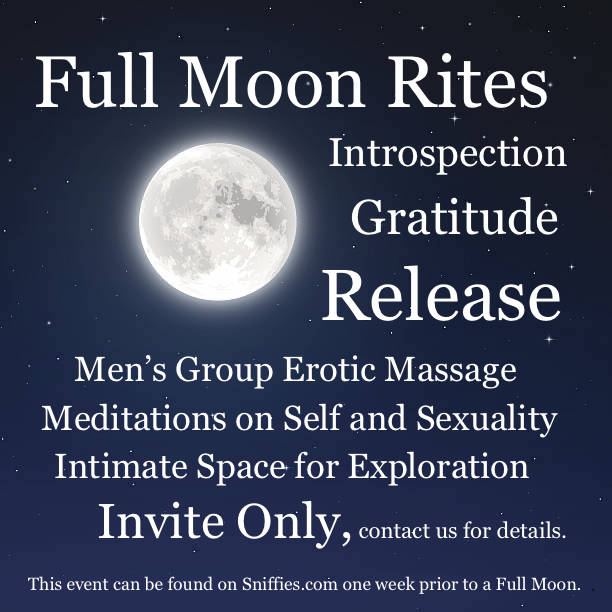
Utilizing the event feature on a cruising app like Sniffies to promote heart-healing moon circles is a profound subversion of digital architecture.
It transforms a space designed for rapid, disposable physical transactions into a portal for radical emotional intimacy and communal healing.
Within the modern queer landscape, this intentional pivot becomes a powerful act of resistance in several distinct ways.
1. Subverting the Digital Meat Market
Mainstream gay apps are built on hyper-capitalistic frameworks that monetize loneliness, validation-seeking, and instant gratification.
They reduce complex human beings to a grid of distances, static photos, and sexual roles.
Reclaiming the Landscape:
By placing an intentional, ritualistic invitation (a moon circle) directly into a digital space built for immediate physical consumption, you disrupt the user’s automated scrolling habits.
It forces a collision between the craving for immediate physical release and the deeper, often unacknowledged craving for soulful connection.
De-Commodifying the Queer Body:
Cruising apps naturally commodify bodies based on physical archetypes.
Advertising a heart-healing circle in this space asserts that the queer body is not just an object to be used, but a sacred vessel worthy of reverence, emotional processing, and holistic care.
2. Meeting Men Exactly Where the Trauma Lives
Many men turn to cruising and sex apps not just out of desire, but as a coping mechanism for isolation, shame, and a lack of authentic community.
The very spaces where queer men seek connection are often the exact environments that reinforce feelings of inadequacy and emotional detachment.
Radical Harm Reduction:
Instead of expecting wounded men to seek out a sanitized, mainstream wellness space—which many queer men find alienating or exclusionary—this strategy brings the medicine directly to the playground.
The Ultimate Counter-Culture:
Offering a space for tears, vocal expression, and emotional holding in an ecosystem where men are conditioned to be stoic, detached, or purely performative is deeply disruptive.
It transforms a digital hookup map into a network of underground sanctuary points.
3. De-Stigmatizing Erotic and Emotional Integration
Historically, the dominant culture has forced queer men to split their lives into rigid boxes: the “respectable” public self, the emotional self, and the hidden, hyper-sexualized self.
Bridging the Split:
Utilizing a highly sexualized app to host a spiritual and emotional event completely demolishes this false dichotomy.
It boldly states that our sexuality, our spirituality, and our emotional vulnerabilities are inextricably linked.
Reclaiming Sacred Sex:
It acts of resistance against the puritanical idea that anonymous or app-based sexual spaces are devoid of holiness.
It reframes the search for a partner on an app as an unconscious quest for the Divine, redirecting that energy toward collective, embodied ritual.
4. Overthrowing the “Looking for Right Now” Culture
The core currency of modern cruising apps is speed.
Phrases like “Right now,” “Taps,” and instant photo unlocks condition the nervous system to expect intimacy without investment.
Re-introducing Ritual Slowness:
A moon circle requires patience, deep listening, container-building, and witnessing another person’s pain without trying to “fix” it or sleep with them to distract from it.
Building True Community Resilience:
True queer resistance has always relied on underground networks of mutual aid and emotional solidarity.
By using the app’s infrastructure to build real-world, face-to-face circles, you hijack their corporate algorithm to foster genuine, unmonetized grassroots brotherhood.

