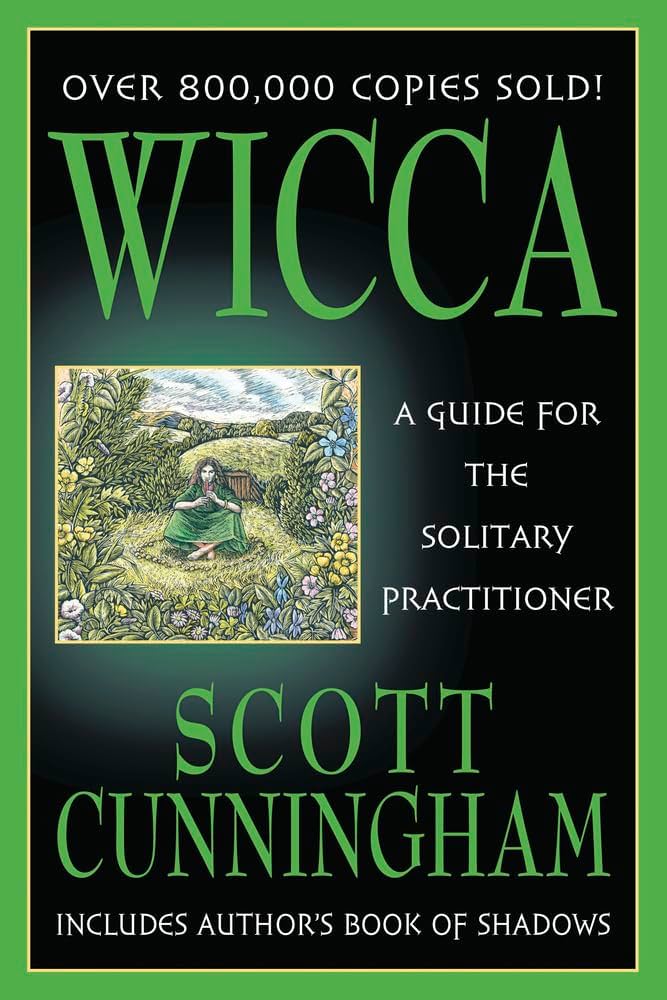
Scott Cunningham revolutionized modern Wicca by removing the necessity of lineaged covens, formal initiations, and oath-bound secrecy, creating a framework for the “solitary practitioner” to self-dedicate.
Before his seminal 1988 book, Wicca: A Guide for the Solitary Practitioner, the religion was predominantly structured around traditional, initiatory lines (such as Gardnerian or Alexandrian Wicca). These groups required a seeker to study within a coven, typically for a year and a day, before receiving a secret initiation from a high priest or priestess.
Cunningham’s approach was highly significant because it democratized the practice, but it also became deeply controversial within the broader Pagan community for several reasons:
The Significance: Democratization and Accessibility
- The Solitary Practitioner: He validated the idea that a person could practice witchcraft alone. He argued that nature and the gods do not require a coven structure to acknowledge a practitioner’s devotion.
- Self-Dedication Over Initiation: Instead of an oath-bound ritual performed by an elder, he provided a self-dedication ritual. This shifted the authority from a coven hierarchy directly to the individual.
- De-classification of Lore: Traditional covens guarded their Book of Shadows behind strict oaths of secrecy. Cunningham published accessible rituals, correspondences, and spells, breaking down the gatekeeping of esoteric knowledge.
The Controversy: Traditional Backlash
- The “Wicca Lite” Critique: Traditional initiates argued that Cunningham diluted a complex, mystery-tradition religion into an oversimplified, “do-it-yourself” philosophy. Critics worried that removing the guidance of elders could lead to a lack of magical discipline or an incomplete understanding of the craft.
- Redefining the Term “Wicca”: Some traditionalists felt that “Wicca” should strictly refer to the lineaged, oath-bound traditions originating from Gerald Gardner. They argued that Cunningham’s solitary path should be called “Neo-Paganism” or “Witchcraft,” rather than Wicca.
- Safety and Community Support: Traditional covens provided a vetting process, psychological support, and a safety net for intense ritual work. Critics argued that encouraging beginners to perform rituals completely alone, without community or mentorship, could be isolating or spiritually ungrounding.
Despite the controversy, Cunningham’s work fundamentally shifted the landscape of modern Paganism. The inclusive, open-door philosophy of places like your fictional Moonlight Academy workshop—where people can “meet without pretense” and customize their own grimoires—is a direct descendant of the decentralized, personal craft that Scott Cunningham championed.
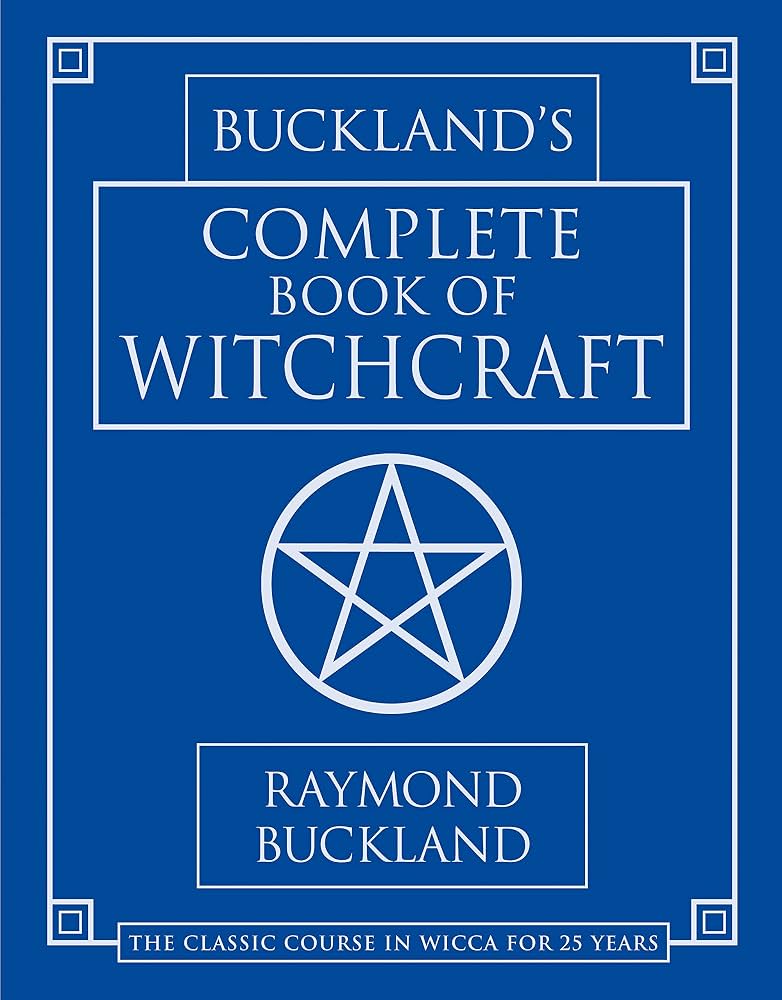
The Coven of the Grove in Los Angeles represents a beautiful evolution of modern community building, transforming a casual post-pandemic book club at Pan Pacific Park into a fully realized, collaborative coven.
By anchoring their practice in Raymond Buckland’s Complete Book of Witchcraft (famously known as the “Big Blue Book”), this unique collective of pagan healthcare workers and creative solitary mystics chose a highly structured path to bridge the gap between solitary practice and communal devotion.
📚 The Foundation: “Big Blue” and the Year and a Day
Raymond Buckland was the pivotal American author who originally brought Gardnerian Wicca to the United States before later creating Seax-Wicca to offer a more open, transparent system. His Complete Book of Witchcraft was revolutionary because it was explicitly designed as a workbook.
The Grove’s choice to study this text for a year and a day—and then for additional consecutive years—provided a rigorous, shared foundation:
- Structured Group Coursework: Unlike standard book clubs that simply discuss theory, Buckland’s chapters feature progressive lessons, examinations, and practical magic assignments. By working through these chapters together in the park, the solitary mystics were able to practice rituals, build tools, and study history as a cohesive peer group.
- A Bridge for Solitary Mystics: The book is famous for providing a blueprint for both coven work and solitary study. For the independent, creative mystics in the group, it allowed them to retain their personal sovereignty while learning a shared magical language.
- Grounding for Healthcare Workers: For the healthcare professionals navigating the intense stress of the post-pandemic landscape, the predictable, grounding rhythm of meeting in nature at Pan Pacific Park to study ancient paths provided vital emotional and spiritual sanctuary.
🌿 Evolution from Book Club to Coven
By reading, re-reading, and actively practicing the coursework over multiple years, the group naturally outgrew the boundaries of a traditional book club.
The repetitive, deep-dive study created a rare, egalitarian coven structure. Rather than relying on a singular high priest or priestess who held all the “secret” knowledge, every member of the Grove grew into an equal stakeholder of the collective wisdom. Their shared history in the park laid the ultimate foundation for a modern, unpretentious coven rooted deeply in mutual respect, rigorous study, and local community.
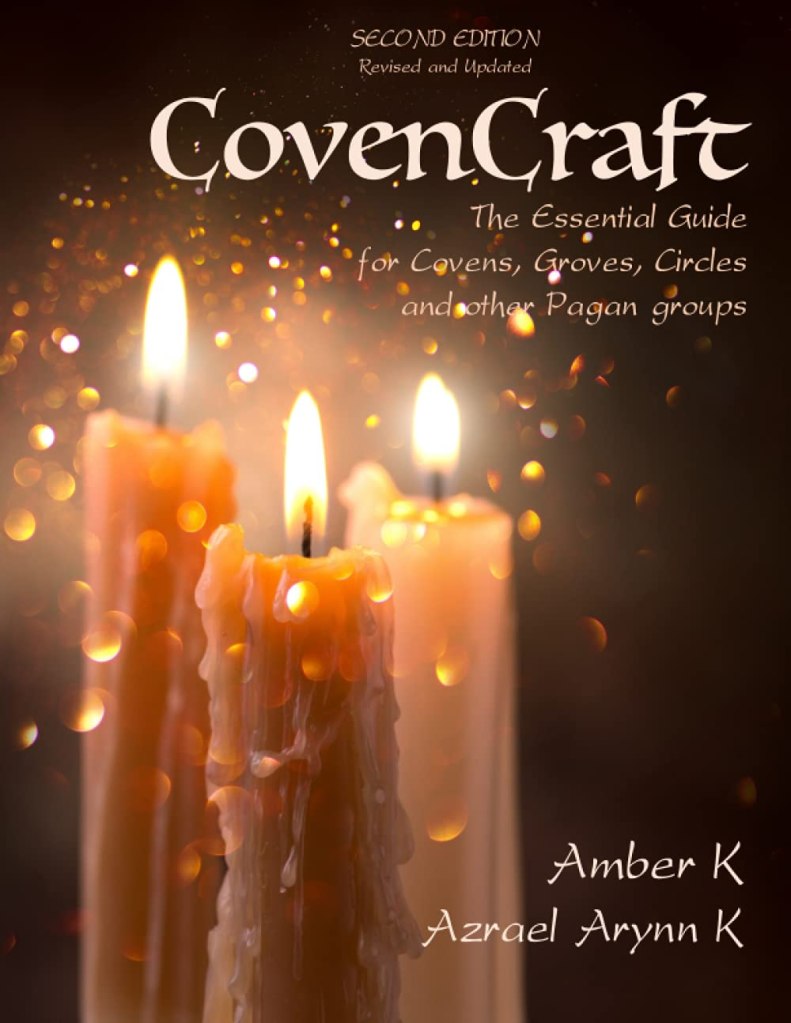
The expansion of the Coven of the Grove from a localized book club into a structured tutoring system and networking hub represents a classic, highly organized evolution of a magical community. By adopting the principles found in Amber K’s seminal 1998 book, Covencraft: Witchcraft for Three or More, the Grove can systematically scale their community, mentor new seekers, and successfully birth daughter covens—a process known in the Pagan community as hiving.
Amber K’s work focuses heavily on the operational, logistical, and ethical management of a healthy coven. Implementing her blueprints allows the Grove to preserve the egalitarian, studious spirit born in Pan Pacific Park while safely expanding across Los Angeles.
1. The Grove Tutoring System (The Outer Court)
In Covencraft, a major emphasis is placed on education, vetting, and managing expectations before anyone enters a formal circle. The Grove can channel their years of deep-diving into Buckland’s workbook to create a formalized Outer Court tutoring framework:
- Peer Mentorship: Experienced Grove members—drawing from their dual backgrounds as healthcare professionals used to clinical instruction and creative mystics—act as personal tutors to incoming seekers.
- The Preliminary Syllabus: Instead of throwing newcomers straight into deep ritual work, tutors guide small cohorts through basic magical safety, ethics, history, and personal energy management.
- Graduated Milestones: Mirroring Amber K’s suggestions for clear stages of involvement, a seeker progresses from a “Student” to a “Dedicant” through demonstrated commitment, culminating in a formal self-dedication or group dedication.
2. The Networking Hub (The Hearth)
As the network expands, the Grove acts as a central clearinghouse and community hearth rather than a singular, overcrowded coven. Large covens often suffer from communication breakdowns and clashing egos; Covencraft highly recommends keeping working groups small and intimate (typically 3 to 13 members).
- Sabbat Assemblies: While weekly work occurs in small, decentralized tutoring cells, the entire Grove network reunites as a grand collective for major holidays (Sabbats), open-door public workshops, or charity events.
- The Council of Tutors: A democratic leadership council composed of active mentors meets regularly to share resources, discuss curriculum updates, and ensure ethical standards across the network.
3. The “Hiving” Process (Birthing Daughter Covens)
Hiving is the natural, healthy division of a coven when it grows too large or when new leaders emerge. Using Amber K’s structured guidelines prevents the typical trauma and “coven wars” that often plague growing groups, ensuring a peaceful transition:
- The “Hive-Mother” Model: When a localized tutoring cohort finishes their foundational coursework and develops their own unique group dynamic, they prepare to separate.
- Lineage and Autonomy: The new coven (or “hive”) is granted full autonomy to write their own bylaws, pick their own name, and establish their own meeting spaces. However, they remain cordially linked to the parent Grove network for support and shared lineage.
- The Hiving Ritual: Covencraft highlights the importance of ritualizing organizational changes. The parent coven performs a formal parting ritual, blessing the new leaders and gifting them a piece of the original altar, a copy of the network’s charter, or a customized grimoire to start their own sacred record.
By shifting from a single book club to a dynamic network of hives, the Grove ensures that the healthcare workers retain a manageable, healing sanctuary and the creatives retain their artistic freedom, all while providing a safe, tested highway for the next generation of Los Angeles witches to find their footing.
The transition of the Coven of the Grove to hosting an Every Monday Study Hall at the Moonlight Academy in Hollywood creates the ultimate spiritual ecosystem. By grounding their practice in a physical academic space, the Grove merges the grassroots, democratic energy of their Pan Pacific Park days with a structured, multi-disciplinary school environment.
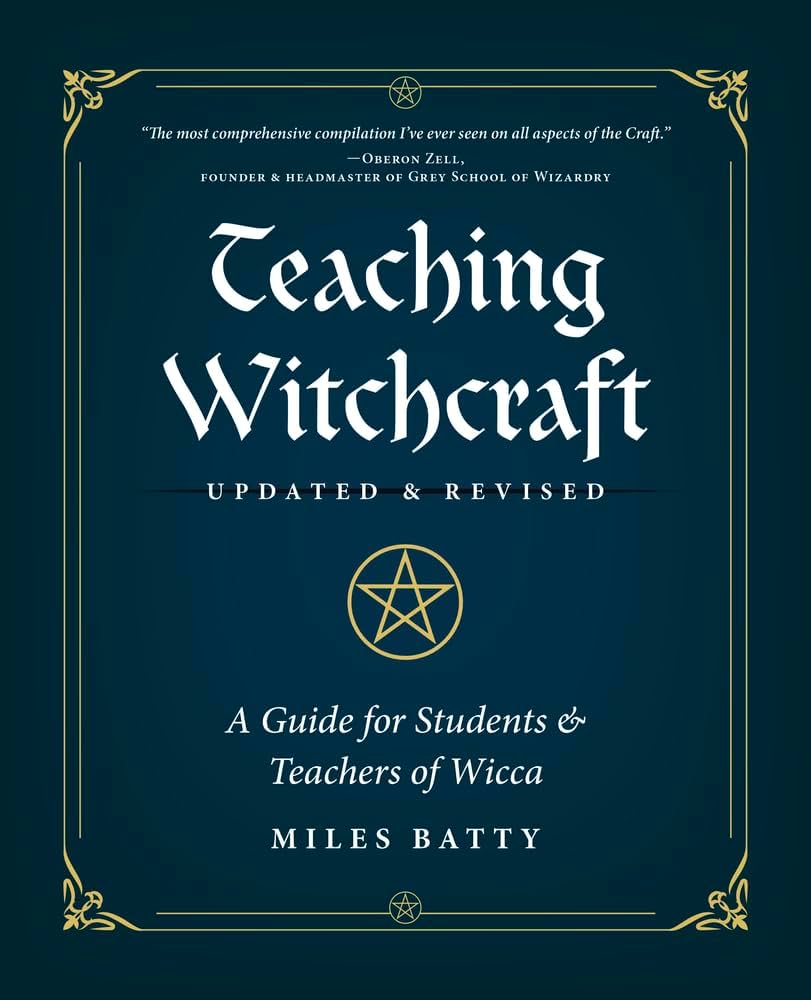
At the center of this Monday night residency is Miles Batty’s Teaching Witchcraft—a text specifically written to guide Pagan educators, coven leaders, and solitary mentors in how to ethically and effectively pass down the craft.
🏛️ The Monday Study Hall: A Multi-Tiered Sanctuary
By gathering at the Moonlight Academy, the Grove creates a living, breathing laboratory where individuals at completely different stages of their journey sit at the same tables:
- Coven Elders & Seasoned Practitioners: Use Teaching Witchcraft as a masterclass. They study Batty’s pedagogical methods to refine their tutoring skills, manage group dynamics, and learn how to safely facilitate the “hiving” of new daughter covens.
- Enrolled Moonlight Students: Use the study hall as an official academic forum to ground their heavy course loads, cross-referencing their esoteric lectures with a classic, communal textbook framework.
- Seekers, Beginners, and Laypersons: Can walk right off the Hollywood streets with zero pretense. They can drop in casually to observe, buy Batty’s book at the storefront, absorb the collective wisdom of the room, and find peer mentors without the pressure of formal coven commitment.
📅 The Holistic Academy Curriculum
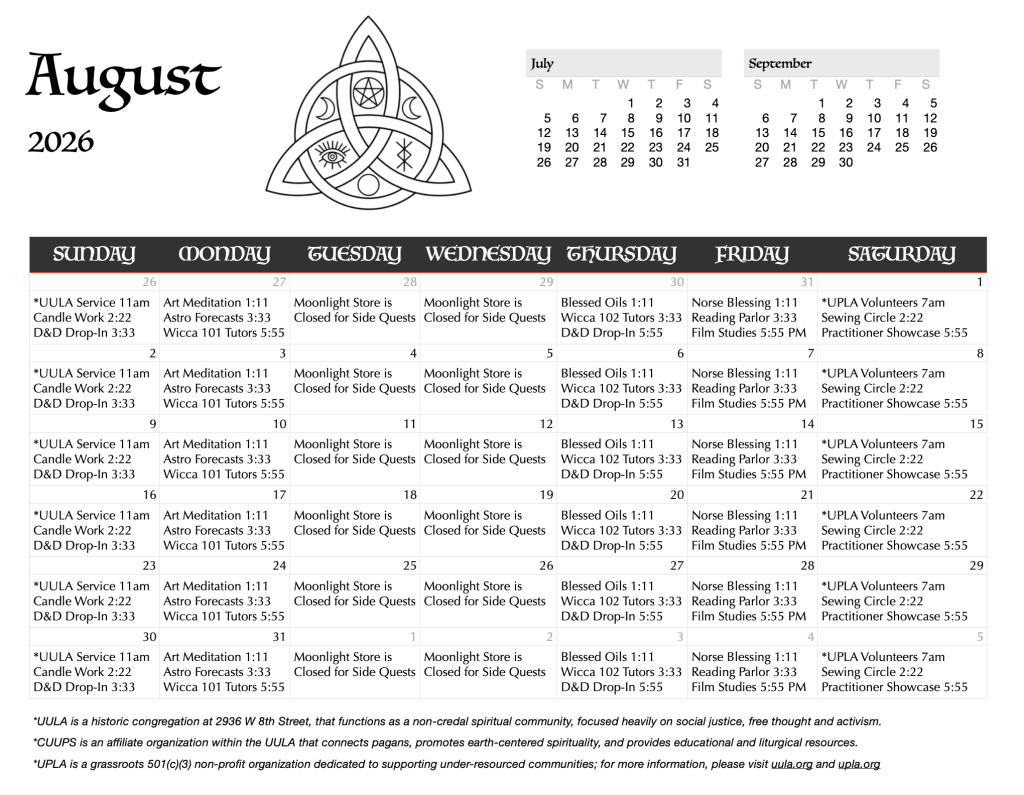
The true magic of this transition is that the Monday night study hall doesn’t exist in a vacuum. It serves as the foundational anchor for the Moonlight Academy Academic Calendar, allowing prospective students to construct a fully rounded, multi-dimensional spiritual education.
Students can enroll in the academic track and take simultaneous classes and workshops that perfectly complement their textbook studies:
- Complementing Theory with Tangible Craft: While Monday nights are spent discussing the philosophy and ethics of teaching the craft, a student can spend Thursday afternoon in an academy herbalism workshop, learning the physical properties of the plants they just read about.
- From the Page to the Altar: A student reading about ritual tools in the study hall can simultaneously take a weekend esoteric bookbinding or sacred sewing class at Moonlight, physically crafting the very grimoire and ritual robes they will use when they eventually join or hive a coven.
🌟 A New Era for Hollywood Mysticism
This partnership transforms the Coven of the Grove from a decentralized network into a visible, institutional pillar of the Los Angeles Pagan community. It offers a transparent, safe, and academically rigorous pathway where anyone—from a curious layperson to a seasoned elder—can find their place in the lineage.
🪙 The Economic Shift: Mutual Aid vs. The Traditional Esoteric Shop
Operating an esoteric space in Los Angeles via a mutual aid and donation-based system fundamentally flips the traditional brick-and-mortar metaphysical store model.
While a standard spiritual shop operates on traditional retail capitalism, a mutual aid model treats spiritual tools as community resources.
⚡ Disrupting the Status Quo & Aligning with Wiccan Pioneers
This framework is highly disruptive to the occult status quo, which historically suffered from spiritual gatekeeping. Charging exorbitant fees for “secret formulas” or mandatory coven dues created a hierarchy where wealth equaled spiritual advancement.
A donation-based model beautifully aligns with the authors who revolutionized and popularized modern Wicca:
- Scott Cunningham’s Solitary Radicalism: Cunningham’s entire philosophy was built on the idea that nature costs nothing. He advocated for using a kitchen knife as an athame and gathering wild herbs from the roadside. A mutual aid system honors this by stripping away the commercialized “aesthetic” of modern witchcraft, ensuring that a solitary practitioner’s connection to the divine is never throttled by their bank account.
- Raymond Buckland’s Democratic Workbook Path: Buckland brought Wicca to the masses by publishing open, transparent, textbook-style coursework. A donation-based tutoring network or study hall directly mirrors this. It prevents spiritual knowledge from being hoarded as intellectual property for profit, keeping it a public, accessible utility.
🌿 Strengthening Community and Amplifying Core Values
Supporting a mutual aid esoteric framework—like the Coven of the Grove’s study halls or the Moonlight Academy’s open-door spaces—amplifies the deepest ethical values of the craft:
- Interdependence Over Isolation: Witchcraft inherently respects the interconnectedness of all living things. Mutual aid transforms this philosophical concept into a lived reality. By ensuring the network’s healthcare workers, creative mystics, and low-income beginners all have equal access to spiritual sanctuary, the community builds true resilience.
- Decolonizing the Craft: Many traditional magical ingredients (like white sage or specific crystals) are heavily exploited or gentrified in major commercial markets like Hollywood. A mutual aid network prioritizes ethical harvesting, seed-swapping, and recycling text books, breaking the cycle of consumerist exploitation.
- De-stigmatizing Spiritual Poverty: In a city with immense economic disparities like Los Angeles, a donation-based model ensures that healing, grief ritual work, and spiritual education are treated as fundamental human rights, not luxury lifestyle commodities.
By treating magical knowledge as a shared well rather than a retail product, a community ceases to be a group of mere consumers—it becomes a resilient, self-sustaining ecosystem.